Chuck Furuya



I recommend selecting high-quality grapes as the foundation of your batch. Varieties like Cabernet Sauvignon, Merlot, or Syrah are excellent choices due to their rich flavors and tannin structure. Aim for fully ripened fruit, which ensures a robust taste profile and natural sweetness.
After harvesting, crush the grapes gently to release their juice while keeping the skins intact. This skin contact is crucial for extracting color, flavor, and tannins, contributing to the complexity of your final product. Utilize a food-grade container for fermentation; stainless steel or glass works best to prevent any unwanted reactions.
Next, monitor the fermentation process closely. Add natural yeast or allow the wild yeast present on the grape skins to initiate fermentation. Maintain a temperature between 68°F and 75°F (20°C to 24°C) to optimize the fermentation activity. Stir the mixture daily to ensure even fermentation and enhance the extraction of the grape’s characteristics.
Once fermentation is complete, press the mixture to separate the liquid from the solids. Transfer the liquid to a clean vessel, allowing it to undergo malolactic fermentation if desired, which softens acidity and adds depth. Aging in oak barrels or stainless steel containers can further develop the nuances of your creation over several months.
Finally, when the flavor reaches your preferred profile, carefully bottle your creation. Ensure to seal them properly to maintain quality over time. Allow the bottles to age for several months before indulging in the fruits of your labor. Enjoy the unique taste that reflects your craftsmanship and dedication.
Choosing the Right Grapes for Natural Red Beverage
Opt for varieties such as Cabernet Sauvignon, Merlot, and Pinot Noir for a robust profile. These grapes flourish in diverse climates, yielding distinctive flavors.
Consider the following factors when selecting your fruit:
| Grape Variety | Flavor Profile | Best Climate |
|---|---|---|
| Cabernet Sauvignon | Bold, blackcurrant, and cedar | Warm, sunny regions |
| Merlot | Soft, plum, and chocolate | Moderate climates |
| Pinot Noir | Light, cherry, and earthy | Cool, temperate zones |
| Syrah/Shiraz | Spicy, blackberry, and pepper | Warm to hot climates |
Harvest grapes at optimal ripeness; sugar levels should be high while acidity remains balanced. Taste the berries for signs of readiness, focusing on flavor intensity and skin texture.
Seek organic options to ensure minimal intervention. This approach enhances the natural characteristics and terroir expression of the fruit.
Experiment with lesser-known varietals like Sangiovese or Tempranillo for unique outcomes. Each grape offers distinct attributes worth exploring.
Fermentation Techniques for Optimal Flavor
Utilizing native yeasts enhances complexity and authenticity. I always recommend starting the fermentation process with the wild yeast present on the grape skins. This adds unique character to the final product.
Temperature control is crucial. A range of 68°F to 75°F (20°C to 24°C) works well for primary fermentation. Higher temperatures can extract more tannins, while lower temperatures yield a smoother, fruitier profile. I monitor the temperature closely to achieve the desired outcome.
Cap management during fermentation plays a significant role in flavor extraction. I prefer using punch downs rather than pump overs. This method gently mixes the skins with the juice, helping to release flavors and aromas without harsh extraction.
- Punch Downs: I do this two to three times daily, ensuring an even infusion of flavors.
- Pump Overs: If used, I limit them to avoid over-extraction. This method can lead to bitterness if done excessively.
Duration of fermentation varies, but I typically aim for 7 to 14 days, depending on the grape variety and desired style. Regular tasting during this phase helps me gauge development and make adjustments as needed.
After primary fermentation, I transfer the liquid to barrels or tanks for malolactic fermentation. This secondary fermentation softens acidity and adds creaminess. I use a mix of new and used oak to impart subtle flavors without overwhelming the fruit.
Finally, I avoid fining agents to maintain purity. Instead, I rely on natural settling and racking to clarify the liquid. This method respects the integrity of the ingredients, resulting in a more genuine expression of the terroir.
Aging Methods to Enhance Characteristics
Opt for oak barrels for aging, as they impart subtle flavors and complexity. Choose between American and French oak; the former provides stronger vanilla and coconut notes, while the latter contributes spice and herbal qualities. The size of the barrel also influences the aging process–larger barrels result in slower oxidation and more subtle flavor integration.
Temperature Control
Maintain a consistent temperature during maturation. Ideal conditions are between 55°F to 65°F (13°C to 18°C). Fluctuations can negatively impact the flavors and aromas, leading to undesirable characteristics. Monitor humidity levels as well, aiming for around 70% to prevent excessive evaporation and cork drying.
Extended Aging Techniques
Experiment with extended aging to develop deeper flavors. I recommend monitoring the wine closely, tasting periodically to gauge its evolution. Consider using techniques like micro-oxygenation to enhance the texture and soften tannins over time. This method allows for controlled oxygen exposure, promoting a rounder mouthfeel and greater complexity.
Lastly, blending different aged batches can yield unique profiles, balancing freshness with mature characteristics. This approach allows for the creation of a more harmonious final product that showcases the best aspects of each individual component.
Bottling and Storing Your Homemade Wine
After fermentation concludes, I carefully siphon the liquid into clean, sanitized bottles. I prefer using dark glass bottles to protect the contents from light exposure, which can alter flavors. Each bottle gets corked with natural corks, ensuring a tight seal to prevent oxidation.
Before sealing, I check for any sediment at the bottom of the fermentation vessel. If present, I gently transfer the clear liquid, leaving sediment behind. This step enhances clarity and taste in the final product.
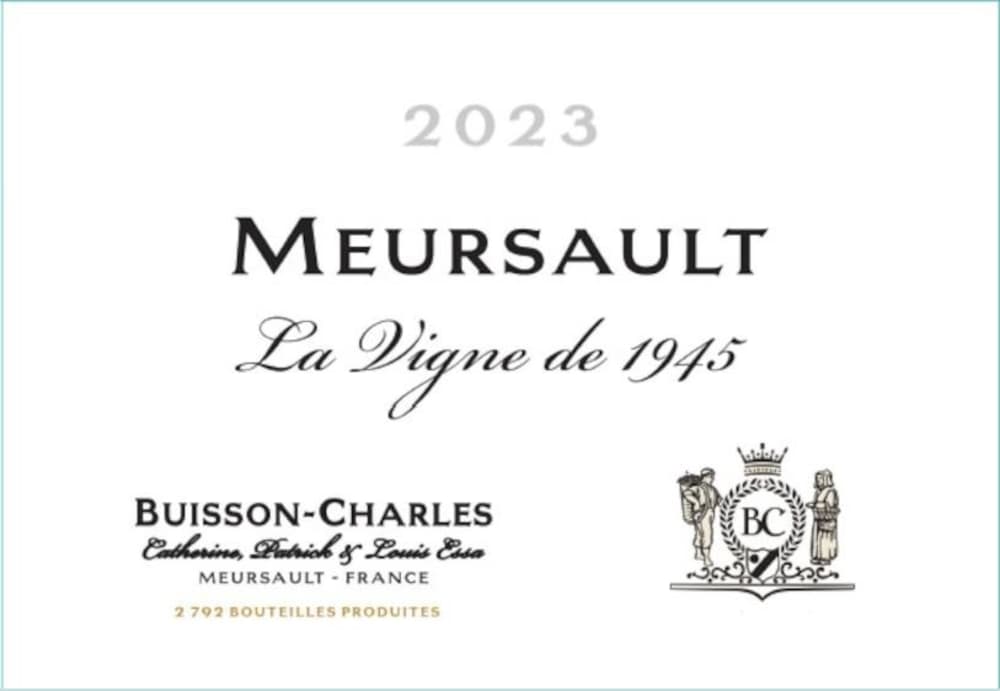
Labeling bottles is crucial. I include the variety, vintage, and bottling date. This information aids in tracking aging progress and helps when sharing my creation with others. I use waterproof labels to withstand moisture in storage.
Storage conditions play a significant role in preserving quality. I keep bottles in a cool, dark place with consistent temperature, ideally between 50°F and 60°F. Humidity levels should be around 70% to keep corks moist and prevent air from seeping in.
For long-term aging, I store bottles horizontally. This positioning helps keep the cork in contact with the wine, preventing it from drying out. Regularly checking the storage environment ensures optimal conditions are maintained.
When ready to enjoy, I decant the beverage to aerate and enhance flavors. This step is especially beneficial for those that have aged. I savor the unique characteristics developed during the fermentation and aging processes, appreciating the journey from vineyard to bottle.