
 Chuck Furuya
To elevate the character of your Merlot, consider blending in a high-proof spirit, such as brandy. This addition not only increases the alcohol content but also enriches the flavor profile, creating a more robust and complex beverage.
Start by selecting a quality spirit that complements the natural notes of the grape. Aim for a ratio of about 1 part spirit to 4 parts liquid. Gently heat the spirit to about 140°F (60°C) before mixing, as this helps to integrate the flavors more thoroughly. Allow the mixture to rest for a few days to let the flavors meld, tasting periodically until you achieve your desired outcome.
For a unique twist, experiment with infusions. Consider adding spices like cinnamon or vanilla, or even fruits like cherries or figs, to introduce new layers of taste. Once you find a combination that excites your palate, bottle it for future enjoyment or share it with friends for a memorable experience.
Enhancing Your Wine
I recommend using a high-quality spirit, such as brandy, to elevate the alcohol content and complexity of your beverage. Aim for a neutral flavor profile to avoid overpowering the existing characteristics.
Begin by selecting a base liquid with a minimum alcohol content of 15%. Gradually blend in the distilled spirit, ensuring the total alcohol by volume reaches about 18-20%. This balance enhances flavor while preserving richness.
Conduct taste tests after each addition, noting the impact on aroma and taste. It’s essential to find the perfect balance, as the objective is to enrich the original profile without masking it.
Consider using the following table as a guide for the proportions:
| Base Liquid Volume (ml) | Spirit Volume (ml) | Total ABV (%) |
|---|---|---|
| 750 | 100 | 18 |
| 750 | 150 | 19 |
| 750 | 200 | 20 |
After blending, allow the mixture to rest for a few weeks to let the flavors harmonize. This maturation process is vital for achieving depth and character.
Experiment with different spirits, such as whiskey or rum, for unique flavor profiles. Each choice adds its own nuances, creating a distinctive beverage tailored to your palate.
Selecting the Right Base Wine for Fortification
I recommend choosing a robust varietal with a higher sugar content. Look for options like Zinfandel, Syrah, or Grenache, as they provide a solid foundation with bold flavors. These types often possess the structure needed to balance the added spirit.
The acidity level is also key. Wines with moderate acidity can help maintain freshness in the final product. Avoid overly acidic or light-bodied wines, as they may not hold up well after the addition of a distillate.
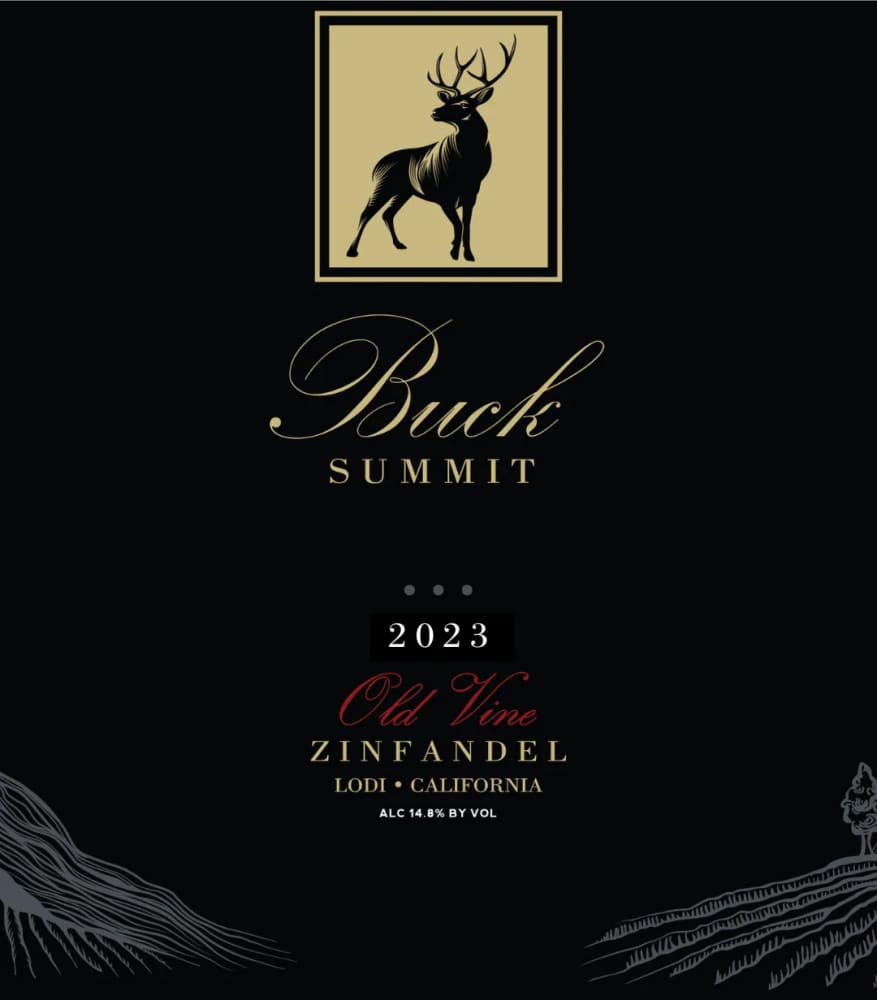
Consider the aging potential as well. Aged wines tend to have more complex flavors and aromas, enhancing the final profile. Aim for wines that have undergone some barrel aging, which brings depth and richness to the mix.
Pay attention to the fruit character. A wine with ripe, dark fruit notes will complement the sweetness of the spirit. This synergy results in a harmonious blend that appeals to the palate.
Lastly, ensure the base wine is of good quality. It should have a clean finish and well-defined characteristics. This foundation will enhance the overall experience and result in a product that stands out.
Choosing the Appropriate Fortifying Spirit
Opt for a spirit with a high alcohol content, ideally around 18-20% ABV. This ensures proper preservation and enhances the final product’s flavor profile. Common choices include brandy, rum, or high-proof neutral spirits.
Brandy is often favored due to its rich, fruity notes, which complement the characteristics of many grape varieties. Look for aged options to add depth and complexity. If a sweeter profile is desired, consider using a dessert-style brandy.
Rum can introduce unique tropical flavors, making it suitable for specific styles of fortified beverages. Choose dark or spiced varieties to create a more robust palate. However, be cautious of overly sweet rums, as they might overpower the base.
High-proof neutral spirits, such as grain alcohol, provide a more straightforward approach. They offer a clean finish, allowing the original characteristics of the base to shine through, but may require careful balancing with other ingredients.
Experiment with combinations of these spirits to create a unique blend that suits your taste. Remember to taste as you go to ensure the right balance of flavors and aromas. The choice of spirit can significantly influence the final product, so select wisely.
Determining the Optimal Fortification Ratio
The ideal ratio for enhancing a beverage typically ranges from 15% to 20% alcohol by volume (ABV). This balance ensures that the final product maintains complexity while achieving the desired sweetness and body.
To decide on the right proportion, consider the following factors:
- Base Wine Characteristics: Assess the initial ABV and flavor profile. A higher starting alcohol level may require less additional spirit to reach the target.
- Desired Sweetness: If aiming for a sweeter profile, increase the spirit content. Conversely, for a drier finish, reduce the ratio.
- Flavor Harmony: The fortifying spirit should complement the base. A well-matched spirit enhances rather than overpowers the original flavors.
- Testing Small Batches: Experiment with small quantities to find the perfect balance. This allows for adjustments without committing to larger volumes.
For example, if I start with a 12% ABV base, adding 3 to 6 ounces of a 30% ABV spirit per gallon can effectively achieve the desired strength and flavor profile. Adjust according to taste preferences and the specific characteristics of the ingredients used.
Regular tasting sessions during the process will aid in honing in on the optimal blend, ensuring satisfaction with the final result.
Understanding the Impact of Temperature on Fortification
Maintaining a consistent temperature between 60°F and 70°F (15°C to 21°C) is optimal during the blending process. This range ensures that both the base liquid and the spirit integrate seamlessly, enhancing the final product’s complexity.
Higher temperatures can accelerate the evaporation of volatile compounds, potentially altering the intended flavor profile. Therefore, I recommend avoiding excessive heat during the preparation phase.
Cooler temperatures can slow down the blending process, allowing for a more controlled integration. However, if the temperature drops too low, it may lead to difficulties in mixing, making it harder to achieve a uniform solution.
Monitoring the environment is crucial. If the surroundings are too warm, consider using an ice bath for the base liquid to stabilize the temperature before mixing. Conversely, if it’s too cold, gently warming the spirit can facilitate smoother incorporation.
Finally, after the initial blending, aging at a stable temperature helps in the maturation process. This stability allows the flavors to meld and develop, resulting in a more harmonious final beverage.
Methods for Mixing Wine and Spirit Thoroughly
Achieving a uniform blend of your chosen liquid and distilled spirit is critical for the final product’s quality. Here are practical steps to ensure thorough integration:
1. Use a Mixing Vessel
- Select a clean, wide-mouthed container that allows easy access for stirring.
- Pour the base liquid into the vessel first, followed by the spirit.
2. Gentle Stirring Technique
- Utilize a long spoon or stirrer to gently mix the two components.
- Start from the bottom and work your way up to avoid vigorous splashing.
For optimal results, consider the following:
3. Incorporate Gradually
- Add the spirit slowly to the base liquid, allowing for gradual absorption.
- This method helps prevent separation and ensures an even blend.
4. Use an Immersion Blender
- If available, an immersion blender can provide a consistent mixture without introducing too much air.
- Blend on low speed to maintain the integrity of the flavors.
Lastly, allow the mixture to rest for a period after blending. This step lets the flavors meld, resulting in a more harmonious final product.
FAQ:
What are the main techniques to fortify red wine?
Fortifying red wine typically involves adding a distilled spirit, such as brandy, to the wine. This process increases the alcohol content and enhances the flavor profile. The timing of the addition is crucial; it can be done during fermentation to retain some natural sugars or after fermentation for a drier finish. Other methods include blending wines with different alcohol levels or using specific grape varieties that naturally have higher sugar content.
How does fortification affect the flavor of red wine?
Fortification alters the flavor profile of red wine by adding complexity and depth. The added spirits introduce new aromatic compounds, which can enhance fruity or spicy notes. Additionally, the higher alcohol content can create a warming sensation and can also help preserve the wine for longer periods. However, the balance between the wine and the spirit must be carefully considered to avoid overpowering the original characteristics of the wine.
Can you explain the difference between fortifying during fermentation versus after?
Fortifying during fermentation allows some residual sugars to remain in the wine, resulting in a sweeter profile. This method is often used for making dessert wines, as the fermentation process is halted by the addition of spirits. On the other hand, fortifying after fermentation leads to a drier wine, as all the sugars have already been converted to alcohol. This method is common in producing styles like Port, where the goal is to achieve a rich and concentrated flavor without residual sweetness.
What types of spirits are commonly used for fortifying red wine?
The most commonly used spirit for fortifying red wine is brandy, due to its ability to complement the wine’s flavors. Other options include rum and whiskey, though these are less traditional. The choice of spirit can significantly influence the final taste of the fortified wine, so it’s important to select one that harmonizes with the wine’s characteristics. The alcohol content of the spirit typically ranges from 18% to 20% to achieve the desired level of fortification.
Are there specific grape varieties that work best for fortifying red wine?
Yes, certain grape varieties are particularly well-suited for fortification. For example, grapes like Touriga Nacional and Tinta Roriz are commonly used in Port production, as they have high sugar levels and rich flavors. Other varietals, such as Grenache and Zinfandel, are also popular for their robustness, which can stand up to the added alcohol. The choice of grape not only affects the flavor but also the texture and aging potential of the fortified wine.
What are some common methods to fortify red wine?
There are several methods to fortify red wine, which typically involves adding a distilled spirit, such as brandy, to the wine. This process increases the alcohol content and can enhance the flavor profile. One common technique is to add the spirit during fermentation, which helps to retain some of the wine’s natural sugars and results in a sweeter taste. Another method is to add the spirit after fermentation, which can create a more robust flavor. Additionally, some winemakers may use a technique called “barrel aging,” where the fortified wine is aged in oak barrels to develop deeper flavors and complexity. Each of these methods can influence the final character of the wine, making it richer and more full-bodied.


