Chuck Furuya


It’s essential to recognize that all fermented beverages, including those crafted from organic grapes, typically have some level of sulfite. These compounds are naturally produced during fermentation and can also be added as preservatives. If you seek options with lower levels of these additives, look for labels indicating “no added sulfites” or “sulfite-free.”
While many people associate sulfites with adverse reactions, the levels found in various products are often safe for the majority. For those with sensitivities, opting for wines labeled as “natural” may provide a better experience, as these often have reduced amounts of artificial preservatives. Always check with the producer for specific details about their fermentation practices.
Understanding the sulfite content in your chosen bottle can enhance your enjoyment and awareness. Consult with retailers or wine experts to uncover selections that align with your preferences and health considerations.
Organic Red Wine and Sulfites
Organic varieties often have sulfites present, but the levels may differ significantly from conventional options. Regulations allow for a certain amount of sulfites in organic products, typically up to 100 parts per million (ppm), compared to the 350 ppm limit for non-organic wines.
Here are key points regarding this topic:
- Check labels for “no added sulfites” if you want to avoid them completely.
- Understand that some individuals may still experience reactions to naturally occurring sulfites, even in lower concentrations.
- Look for certifications that verify production methods to ensure you choose products aligned with your preferences.
In my experience, tasting different brands can help identify options with lower sulfite levels. Keep in mind that the absence of added sulfites doesn’t guarantee a completely sulfite-free product.
Understanding Sulfites in Wine Production
During the fermentation process, winemakers frequently introduce various additives for preservation and flavor enhancement. One of the most common preservatives is sulfur dioxide, which acts as an antioxidant and antimicrobial agent. This substance is utilized to prevent oxidation and spoilage, ensuring the final product maintains its intended taste and quality.
The Role of Sulfur Dioxide
In many cases, the addition of sulfur dioxide occurs at different stages, including during fermentation and bottling. This practice helps to stabilize the beverage and extends its shelf life. Although naturally occurring sulfites are present in small amounts, additional sulfites can be added intentionally to achieve desired characteristics. The levels can vary significantly, often depending on the winemaking techniques and the type of grapes used.
Labeling and Regulation
It’s essential to check labels for sulfite levels, especially if you’re sensitive to them. In many countries, regulations require that products containing more than a certain threshold of sulfur dioxide must be clearly labeled. This transparency helps consumers make informed choices about their purchases. Understanding these regulations allows for a better grasp of what to expect from the beverages you consume.
Regulations on Sulfite Levels in Organic Wines
Organic certifications impose stringent limits on the amount of preservatives used in vinification. For example, in the European Union, the maximum allowable threshold for these compounds in certified products is set at 100 mg/l, which is significantly lower than the 200 mg/l limit for conventional varieties. In the United States, the regulations permit up to 10 mg/l for wines labeled as organic, while conventional varieties may exceed this limit substantially.
Impact of Regulations
These legal frameworks aim to enhance the quality and safety of products marketed as natural. By restricting the use of these additives, the goal is to promote authenticity and reduce potential allergic reactions among consumers. Producers must diligently monitor their processes to adhere to these standards while maintaining flavor integrity.
Labeling Standards
Compliance with labeling requirements is crucial. Any product exceeding the established limits must declare the presence of these substances on the label, providing transparency for consumers. This enables buyers to make informed choices based on their health considerations and preferences.
Understanding these regulations is essential for anyone interested in exploring the world of natural fermentation. They serve to protect both consumers and producers, fostering a market that values quality and health.
Health Implications of Sulfites in Wine
Individuals sensitive to certain compounds may experience adverse reactions to these preservatives. Symptoms can include headaches, nasal congestion, and skin rashes. It’s advisable for such individuals to monitor their intake closely.
Potential Benefits
Moderate consumption has been linked to cardiovascular health benefits due to the presence of antioxidants. The presence of certain compounds may enhance these positive effects. However, excessive consumption can negate these benefits and lead to health complications.
Recommendations for Sensitive Individuals
- Opt for products labeled as low in preservatives.
- Consider alternatives such as natural or minimally processed beverages.
- Consult with a healthcare professional if uncertain about reactions.
Maintaining awareness of personal tolerance levels is key to enjoying fermented beverages while minimizing health risks.
Identifying Organic Wines with Low Sulfite Content
When searching for wines with minimal preservatives, I focus on labels that specifically indicate low levels of these compounds. It’s beneficial to look for certifications that reflect stringent production methods. Many producers highlight their commitment to reduced additives, which can be a good sign of lower concentrations.
Checking Certifications
Look for certifications like “Certified Biodynamic” or “Natural Wine.” These designations often imply adherence to practices that limit the use of chemicals, including preservatives. Some producers may even list specific sulfite levels on their labels, providing clarity on what’s inside the bottle.
Researching Producers
Investigating the practices of vineyards can offer insights into their approach. Many smaller, artisanal wineries prioritize quality and often employ fewer additives. Online reviews and wine databases can guide me toward producers known for crafting low-preservative options. Engaging with local wine shops and sommeliers can also yield recommendations tailored to my preferences.
Comparing Sulfite Levels in Organic vs. Conventional Wines
In evaluating the differences in sulfite concentrations between eco-friendly and traditional varieties, it’s clear that regulations impact these levels significantly. Typically, eco-friendly options often have lower sulfite amounts. However, this varies based on production practices and regional standards.
Sulfite Comparison Table
| Type | Sulfite Level (ppm) | Typical Range |
|---|---|---|
| Eco-friendly Options | Less than 100 | 10-50 |
| Traditional Varieties | Up to 250 | 50-150 |
In my experience, many eco-friendly beverages strive to keep sulfite levels minimal, often using alternative preservation methods such as natural fermentation. This can result in a more pronounced flavor profile, attracting enthusiasts seeking authentic tasting experiences.
Choosing Wisely
When selecting your next bottle, look for labels indicating lower sulfite levels, especially if sensitive to these compounds. It’s beneficial to check for certifications or statements regarding sulfite content to make informed choices.
Consumer Labeling and Sulfite Disclosure
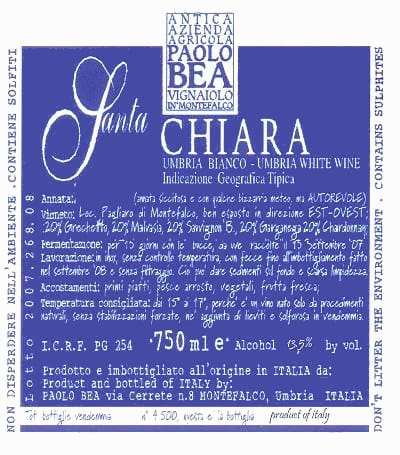
It is crucial to carefully examine labels on bottles when selecting beverages. Products labeled as “natural” or “organic” must display a sulfite warning if levels exceed 10 parts per million. Consumers should look for phrases such as “contains sulfites” prominently noted on the packaging.
Many producers of specialty beverages prioritize transparency, often providing detailed information regarding the presence and concentration of these compounds. This information can usually be found on the back label or in supplementary materials provided by the manufacturer.
When exploring options, I recommend seeking certifications from reputable organizations that verify low levels of these additives. Labels bearing such certifications often indicate that the product adheres to stricter production standards.
Pay attention to the varietal and region of production, as these factors can influence the presence of compounds significantly. For instance, certain regions have regulations that limit the use of these preservatives. Engaging with local producers or visiting vineyards can also provide valuable insights into their practices regarding these compounds.
For those sensitive to these substances, I advise contacting the producer directly for comprehensive information, as not all labels may fully disclose the specifics. This proactive approach ensures that choices align with health preferences.