Chuck Furuya
If you’re searching for a low-sulfite option, I recommend exploring organic selections from trusted producers. Many organic labels prioritize minimal additives, resulting in a cleaner taste and lower sulfite levels. Brands like Frey Vineyards and Hugel often stand out in this category.
Additionally, consider trying Chenin Blanc or Pinot Grigio from small-scale vineyards. These varietals are known for their ability to maintain flavor with reduced preservatives. Always check the label for sulfite content, as this can vary significantly between different batches.
Another effective strategy is to look for wines that are labeled as “no added sulfites.” These selections typically have the lowest levels available and can offer a great tasting experience without the common side effects associated with higher sulfite wines.
Low Sulfite Options in Light Varietals
For those seeking a refreshing choice with minimal preservatives, I recommend exploring organic labels. For instance, wines like Organic Sauvignon Blanc from producers such as Frog’s Leap or Bonterra typically contain lower levels of these additives. These brands prioritize sustainable practices and often result in a cleaner finish.
Additionally, look into Pet Nat (Pétillant Naturel) styles. Many of these naturally sparkling options, like those from the Loire Valley, often boast reduced sulfite content due to their traditional production methods. They provide a unique flavor profile while being easier on sensitive palates.
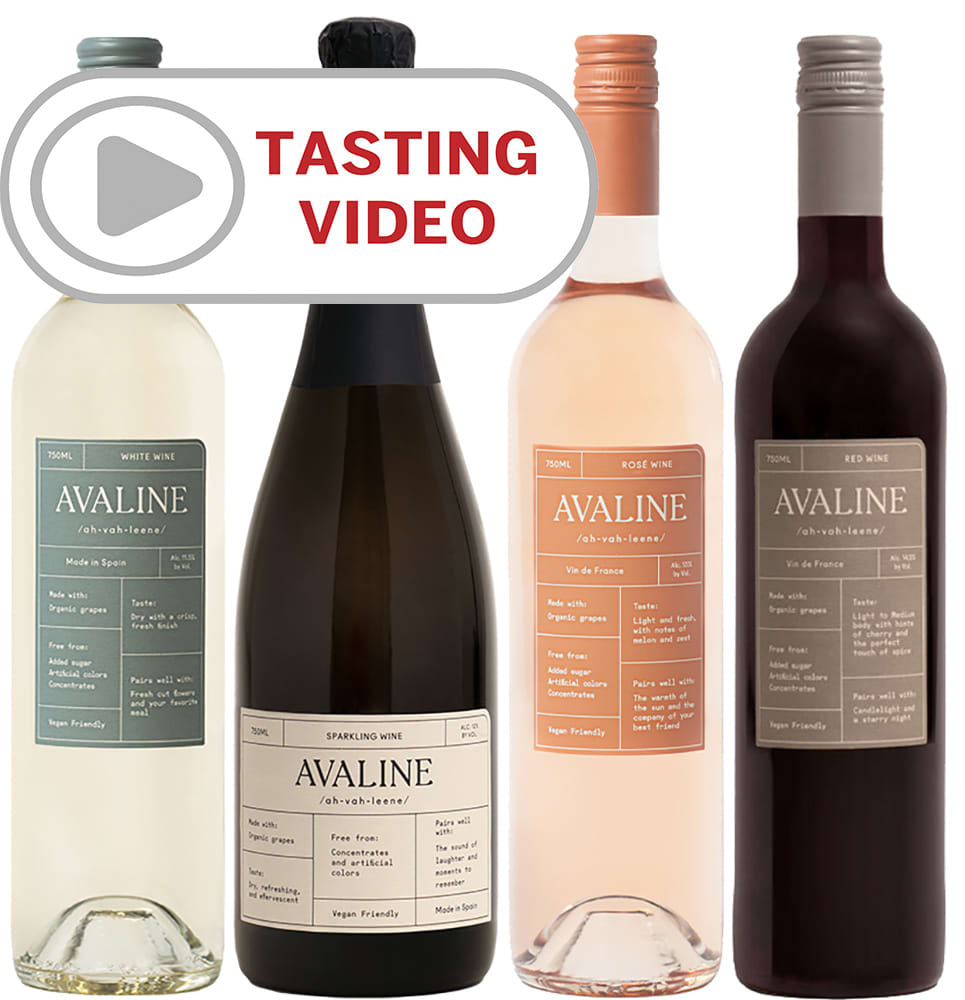
Another excellent alternative includes certain German Rieslings, particularly those labeled as “Kabinett.” These wines not only deliver crisp acidity and fruity notes but also tend to have fewer preservatives, especially when sourced from biodynamic vineyards.
Lastly, consider exploring regions like Alsace, where low-intervention producers craft delightful Gewürztraminer or Pinot Gris. These selections can offer aromatic complexity without excessive additives. Always check the label for organic or low-sulfite certifications to ensure you’re making the best choice.
Understanding Sulfites in White Wine
Choosing a beverage with minimal preservatives can enhance your tasting experience. I recommend looking for bottles labeled as “low sulfite” or “no added sulfites.” These options typically contain lower levels of naturally occurring compounds.
Key Factors to Consider
- Opt for organic or biodynamic varieties, as they often use fewer additives.
- Regions known for lower levels include Austria and Germany, especially for varieties like Grüner Veltliner or Riesling.
- Seek out producers who focus on natural fermentation methods, often resulting in reduced preservative content.
Varieties to Explore
- Pinot Grigio from specific producers can be a suitable choice.
- Look into Sauvignon Blanc from less commercial vineyards; they may offer lower levels.
- Explore skin-contact or orange wines, which sometimes have fewer additives due to their production methods.
By prioritizing organic labels and selecting specific varietals, I ensure a delightful tasting experience while minimizing exposure to sulfites in my beverage choices.
Top Low-Sulfite White Wine Varieties
For those seeking options with reduced additives, consider exploring wines made from Chenin Blanc. This grape often exhibits lower levels of preservatives, especially when sourced from organic vineyards. Another great choice is Pinot Grigio, particularly from regions emphasizing minimal intervention in their winemaking processes.
Sauvignon Blanc can also be a suitable selection, especially if you choose bottles labeled as organic or natural. These wines frequently maintain freshness while containing fewer chemicals. Albariño stands out for its crispness and is generally produced with minimal sulfite use in certain European regions.
Additionally, Vermentino is worth sampling. Its cultivation in Mediterranean climates often leads to lower sulfite levels, particularly from smaller, family-owned producers. Lastly, wines from Riesling grapes made in biodynamic or organic vineyards can also offer a delightful experience with reduced preservatives.
How to Identify Low-Sulfite Labels
Check for “no added sulfites” or “sulfite-free” on the label. These terms indicate minimal or no sulfur dioxide used during production. Additionally, look for wines labeled as “organic” or “biodynamic,” as they often contain fewer preservatives.
Examine the Ingredients
Review the back label for a list of ingredients. Some producers may specify the sulfite content, which can be a helpful indicator. Generally, lower numbers suggest a gentler approach to preservation.
Research Producers
Familiarize yourself with winemakers known for low-sulfite options. Many boutique or small-scale producers prioritize minimal intervention, often resulting in reduced levels of additives. Online resources and wine communities can provide valuable insights into these brands.
Organic and Biodynamic Options
Choosing organic or biodynamic products can significantly reduce exposure to added preservatives. Organic varieties often contain fewer additives, while biodynamic options are made using holistic farming practices that focus on soil health and ecosystem balance. For those sensitive to additives, these alternatives provide a reliable choice.
Benefits of Organic and Biodynamic Products
Organic selections are produced without synthetic pesticides or fertilizers, leading to a more natural flavor profile. Biodynamic methods enhance biodiversity and sustainability, which can positively impact taste. Many producers in both categories prioritize minimal intervention, further reducing the need for additional chemicals.
Identifying Organic and Biodynamic Labels
Look for certifications from reputable organizations. In the United States, the USDA Organic seal indicates compliance with strict organic farming standards. For biodynamic options, check for the Demeter certification, which guarantees adherence to biodynamic farming principles. These labels help ensure a product is genuinely low in additives.
| Type | Certification | Key Features |
|---|---|---|
| Organic | USDA Organic | No synthetic pesticides, fertilizers |
| Biodynamic | Demeter | Holistic farming practices, soil health focus |
Exploring these options can lead to enjoyable experiences while minimizing exposure to unwanted compounds. Many producers in this realm are dedicated to creating high-quality products that align with health-conscious choices.
How Winemaking Techniques Affect Sulfite Levels
Choosing methods such as minimal intervention can significantly reduce the presence of additives. Techniques like spontaneous fermentation, using native yeasts, and avoiding filtration tend to lower sulfite concentrations. I often opt for producers who practice these natural methods, as they prioritize the integrity of the grapes and the final product.
Cold stabilization is another technique that can impact sulfur levels. By chilling the must before fermentation, winemakers can precipitate tartrate crystals, minimizing the need for sulfur to prevent spoilage. I find that wines made using this method often express more authentic flavors with lower sulfite content.
In contrast, conventional practices like adding sulfites at various stages–during crushing, fermentation, and bottling–can lead to higher levels. Understanding this helps me select bottles that align with my preference for lower sulfite options.
Organic certifications also play a role. Organic producers are limited in their use of sulfites, typically capping levels at 100 mg/L, which is significantly lower than conventional wines. I look for organic labels as a reliable indicator of reduced sulfite levels.
Finally, the choice of grape variety can influence sulfite requirements. Some grapes are more susceptible to oxidation and spoilage, necessitating higher sulfite use. I often seek out varieties known for their resilience, which can mean fewer additives in the final product.