Chuck Furuya
Understanding the presence of sulphur compounds in vinous beverages is crucial for both enthusiasts and casual drinkers. These additives play a significant role in preserving freshness and enhancing flavors, making them a key element in the production process.
For those who are sensitive or allergic to these compounds, I recommend opting for organic options or those labeled as “no added sulphites.” These alternatives often provide a different sensory experience, showcasing the terroir without the influence of preservatives.
When selecting a bottle, consider the level of these compounds indicated on the label. Typically, wines with lower concentrations can offer a more pronounced fruit character and a cleaner finish. Tasting a variety will help you identify your preferences and the impact these elements have on the overall profile of the beverage.

By exploring different styles and producers, one can appreciate how these compounds affect taste and stability. Engaging with knowledgeable staff at wine shops or attending tastings can further deepen your understanding of this aspect of viniculture.
Understanding the Role of Sulphites in Wine Preservation
To maintain freshness and prevent spoilage, I recommend looking for wines with controlled levels of sulphur compounds. These additives serve as antioxidants, effectively protecting the beverage from oxidation and microbial activity. By inhibiting the growth of unwanted bacteria and yeasts, they help preserve the intended flavors and aromas of the drink.
Benefits of Sulphur Compounds
From my experience, the addition of these compounds can enhance the longevity of a bottle. Wines that contain appropriate levels often exhibit better stability during storage, making them more enjoyable over time. This is particularly important for those who appreciate aging their selections.
Considerations for Sensitive Individuals
For those who may be sensitive, seeking options labeled as “no added sulphites” can be beneficial. However, it’s important to note that all wines naturally contain some level due to the fermentation process. I advise checking labels carefully to ensure the right choice for individual preferences and health needs.
Identifying the Health Implications of Sulphites for Consumers
Individuals sensitive to these compounds should be cautious, as they can trigger allergic reactions, including hives and respiratory issues. It’s advisable to read labels carefully, particularly for products containing higher concentrations, typically over 10 mg/L. If you experience symptoms such as headaches, asthma, or skin reactions after consumption, consider consulting a healthcare professional for proper evaluation.
Understanding Sensitivities
A small percentage of the population may exhibit intolerance, manifesting as symptoms like nausea or abdominal discomfort. Maintaining a food diary can help identify specific triggers, allowing for better management of consumption. Seeking alternatives, such as organic varieties or those labeled as sulphite-free, may be beneficial for those affected.
Long-Term Effects
While moderate consumption of beverages with these compounds is generally considered safe, excessive intake could pose risks. Research suggests potential connections to chronic conditions, warranting attention for habitual consumers. Engaging in balanced consumption and staying informed about ingredients can significantly contribute to overall well-being.
How to Read Wine Labels for Sulphite Content
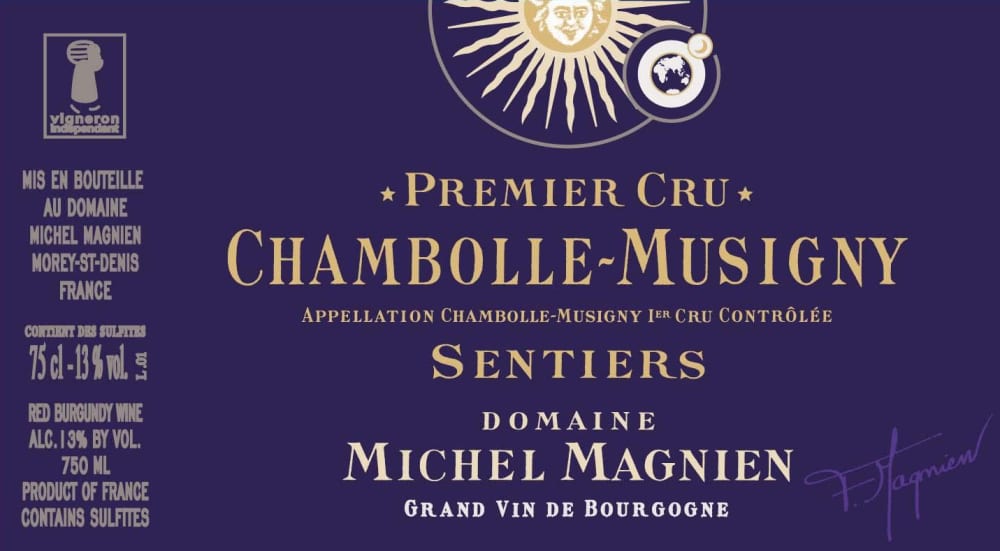
When examining labels, focus on specific phrases that indicate the presence of these compounds. Look for terms such as “contains sulphites” or “sulphur dioxide.” The standards for declaring these compounds vary by region, but many countries require this information to be visible on the label.
Key Elements to Identify
- Check for the warning statement: “Contains sulphites” is commonly found on the back label.
- Review the ingredients list if available; this may provide additional clarity on the additives present.
- Note the vintage and origin; some regions have stricter regulations regarding the use of these additives.
Details on Labeling Regulations
In the European Union, wines containing more than 10 mg/l must declare this on the label. In the United States, the threshold is set at 10 ppm for the inclusion of the warning. Understanding these regulations helps gauge the potential exposure level.
For those with sensitivities, choosing organic or biodynamic options can be beneficial, as they typically limit the use of these preservatives. Always consult the label for certification details if this is a concern.
Exploring Sulphite-Free Alternatives in White Wine
For those seeking options devoid of additives, several varieties stand out. Organic labels often indicate minimal interference during production. Look for certifications from recognized organic organizations to ensure compliance with stringent standards.
Natural selections are produced with minimal intervention, often using wild fermentation and no added preservatives. This approach enhances the authenticity of flavors, providing a unique tasting experience.
Producers focusing on biodynamic practices maintain a holistic approach to viticulture. This method emphasizes soil health and ecosystem balance, resulting in wines that reflect their terroir without synthetic inputs.
Label reading is crucial. Seek terms like “no added sulfites” or “sulfite-free” to identify suitable bottles. Additionally, consider regions known for lower sulphite use, such as certain areas in France or Italy, where traditional methods prevail.
Here’s a concise comparison of notable sulphite-free options:
| Type | Characteristics | Recommended Regions |
|---|---|---|
| Organic | Made from grapes grown without synthetic pesticides or fertilizers. | California, France |
| Natural | Minimal intervention, often wild yeast fermentation. | France, Italy |
| Biodynamic | Focuses on holistic farming practices, adhering to lunar cycles. | France, Austria |
Experimenting with these alternatives can lead to delightful discoveries. The absence of certain additives allows for a more pronounced expression of the grape variety and terroir, offering a fresh perspective on taste.
FAQ:
What are sulphites and why are they used in white wine?
Sulphites, or sulfites, are chemical compounds that contain sulfur. They are commonly used as preservatives in white wine to prevent oxidation and spoilage. By inhibiting the growth of bacteria and wild yeast, sulphites help maintain the wine’s flavor and freshness over time. Additionally, they play a role in stabilizing the wine and enhancing its shelf life. Many winemakers add sulphites during the fermentation process or before bottling to ensure a consistent quality in the final product.
Are sulphites harmful to health, and how much is typically found in white wine?
Sulphites can cause allergic reactions in some individuals, particularly those with asthma. However, for most people, the levels of sulphites found in white wine are considered safe. The U.S. Food and Drug Administration (FDA) mandates that wines containing more than 10 parts per million (ppm) of sulphites must carry a warning label. Most white wines contain between 20 to 300 ppm, depending on the style and production methods. For those sensitive to sulphites, it may be wise to choose wines labeled as “sulphite-free” or “low-sulphite.”
How can I identify if a white wine contains sulphites?
To determine if a white wine contains sulphites, you can check the label on the bottle. In many countries, including the United States and those in the European Union, wines that have more than 10 ppm of sulphites must have a warning statement, such as “Contains sulphites.” If you are unsure, you can also ask the wine retailer or producer for information about the specific wine’s sulphite content.
What are the alternatives to sulphites in wine production?
Some winemakers are exploring alternatives to sulphites to appeal to consumers looking for natural or organic options. Techniques such as using natural antioxidants like ascorbic acid (vitamin C), fermentation at low temperatures, and careful hygiene practices can help reduce the need for added sulphites. Additionally, some producers use methods like micro-oxygenation to stabilize wines without relying on sulphites. However, these alternatives may not provide the same level of preservation and may lead to variations in flavor and longevity.
Is it possible to find white wines without sulphites?
Yes, there are white wines available on the market that are labeled as “sulphite-free” or “no added sulphites.” These wines are usually produced through natural fermentation processes and careful handling to minimize the need for preservatives. However, it is important to note that while these wines may have lower levels of sulphites, they can still contain trace amounts due to natural occurrences during fermentation. Consumers interested in sulphite-free options should look for certifications or labels that specifically mention the absence of added sulphites.
What are sulphites and why are they used in white wine?
Sulphites, or sulfur dioxide (SO2), are chemical compounds that occur naturally in wines, including white varieties. They are used primarily as a preservative to prevent oxidation and spoilage, which can negatively affect the wine’s flavor and aroma. By inhibiting the growth of unwanted bacteria and yeasts, sulphites help maintain the wine’s quality over time. Additionally, they also play a role in stabilizing the color of white wines, ensuring they remain appealing to consumers.