
 Chuck Furuya
First, consider blending the unsatisfactory vintage with a more flavorful option. Mixing it with a fruity Riesling or a zesty Sauvignon Blanc can mask undesirable notes while creating a more balanced flavor profile.
Alternatively, chill the bottle thoroughly. Serving it colder can mitigate off-flavors, making the experience more enjoyable. A temperature around 45°F to 50°F often works wonders in enhancing crispness and refreshing qualities.
Cooking offers another practical solution. Incorporate the liquid into sauces, risottos, or marinades. The heat will alter its profile, allowing it to complement dishes rather than detract from them.
If none of these approaches appeal, consider crafting a wine spritzer. Combining the liquid with soda water and a splash of citrus juice can transform it into a refreshing drink, perfect for casual gatherings.
Lastly, don’t forget about the potential for cocktails. Mixing it with tonic water, bitters, or even a splash of fruit liqueur can elevate the experience and create an entirely new beverage.
Identifying the Flaws in Your White Wine
To pinpoint issues in your beverage, start by assessing the aroma. A musty or moldy scent indicates cork taint, often due to a contaminated cork. If the fragrance resembles vinegar, the drink may be oxidized or affected by acetic acid.
Common Flaws to Recognize
- Oxidation: A dull color and nutty aroma suggest exposure to air. This results in a loss of freshness and vibrancy.
- Reduction: A smell reminiscent of rotten eggs or struck matches signals a lack of oxygen during fermentation.
- Unbalanced Acidity: Excessive tartness indicates high acidity, while a flat profile points to low acidity, both affecting flavor harmony.
- Off-Flavors: Tastes resembling burnt, plastic, or cooked vegetables often stem from poor production practices.
Visual Inspection
Observe the liquid’s clarity and color. Hazy appearances may indicate microbial issues, while unexpected colors can signal spoilage or aging inconsistencies. A clean, bright appearance typically suggests good quality.
By systematically evaluating these aspects, I can effectively determine the flaws present in my drink and decide on the next steps to rectify the situation or repurpose the bottle.
Ways to Improve the Flavor of Poor Quality White Wine
Consider blending with a better quality varietal. A splash of a more flavorful wine can enhance the overall profile, masking undesirable notes.
Chilling the bottle can also help. Serving at a lower temperature often dulls unpleasant flavors, making the experience more enjoyable.
Adding Fresh Ingredients
Infuse your glass with fresh fruits like citrus slices, berries, or peaches. This not only adds a refreshing twist but can also balance out harsh tastes.
Herbs such as mint or basil can introduce a new dimension. A few leaves can transform the aroma and flavor, creating a more pleasant drinking experience.
Experimenting with Mixers
Try creating a spritzer by adding soda water or a splash of tonic. This lightens the texture and can make the beverage more palatable.
Consider using it as a base for cocktails. Mixing with fruit juices or flavored syrups can completely change the flavor profile, turning a subpar drink into a refreshing cocktail.
Creative Uses for Undrinkable White Wine
One of the most practical applications of undrinkable varietals is using them in cooking. Incorporating these beverages into various dishes can enhance flavors while minimizing waste.
| Use | Description |
|---|---|
| Marinades | Combine with herbs and spices to create a flavorful marinade for chicken, fish, or vegetables. The acidity helps tenderize proteins. |
| Cooking Sauces | Simmer with garlic, onions, and cream to create a rich sauce for pasta or seafood dishes. The wine adds depth to the sauce. |
| Stews and Soups | Add to hearty stews or soups for a layer of complexity. It complements ingredients like tomatoes and beans beautifully. |
| Poaching Liquid | Use as a poaching liquid for fruits like pears or apples. The result is a deliciously infused dessert. |
| Deglazing | Utilize to deglaze a pan after sautéing meats. This technique captures the fond and creates a flavorful base for sauces. |
| Homemade Vinegar | Ferment undrinkable varieties to create vinegar. Combine with a vinegar mother and allow to age for a unique flavor. |
Crafting cleaning solutions is another innovative approach. Diluting leftover beverages with water can create an effective cleaner for glass surfaces. The acidity acts as a natural disinfectant.
Lastly, consider using these liquids in DIY projects. They can serve as natural dyes for fabrics or Easter eggs, providing unique hues that are eco-friendly and inventive.
Pairing Undesirable Vintages with Food to Mask Flavors
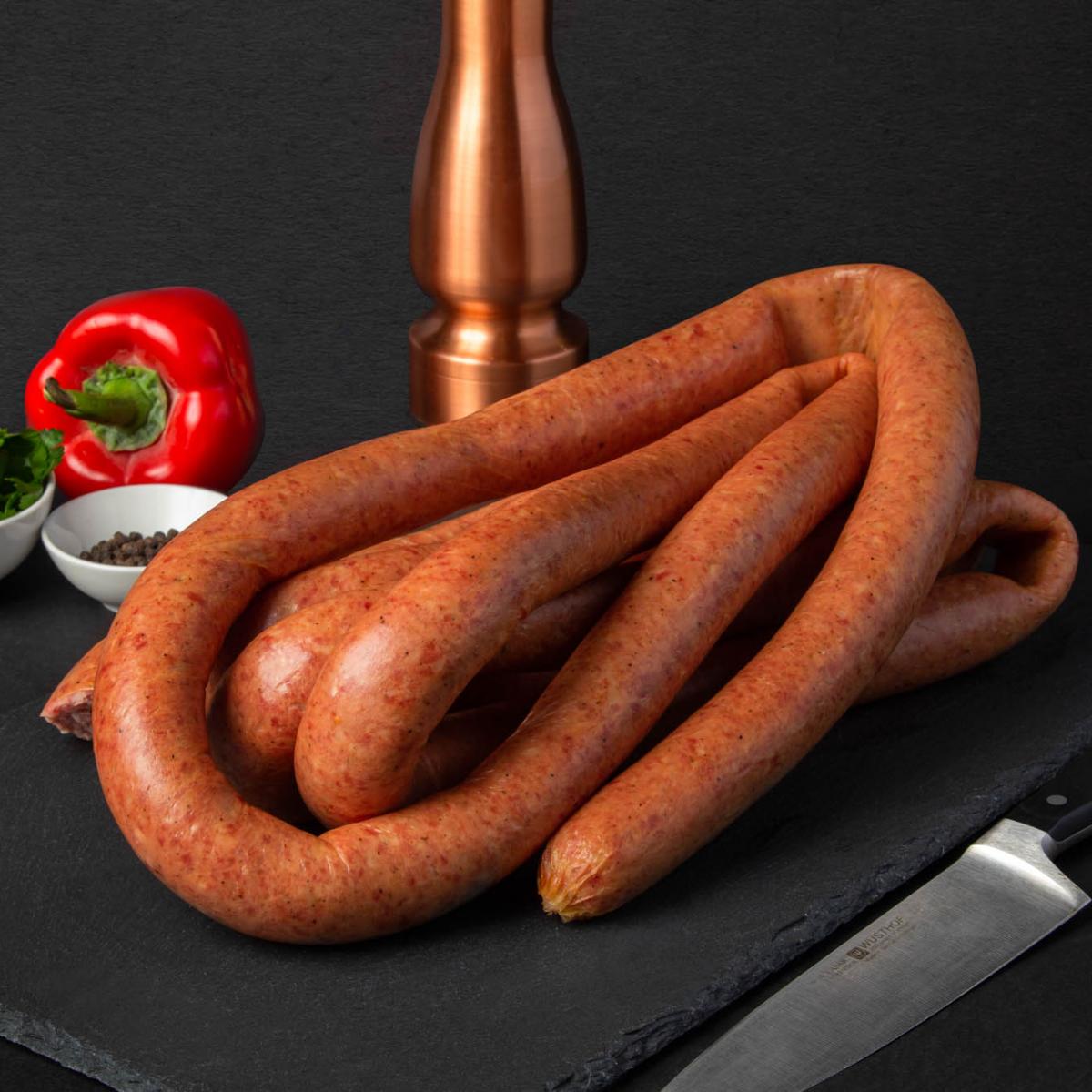
To enhance an unpleasant vintage, I focus on strong flavors in dishes. Rich, fatty foods like creamy pasta or buttery seafood can help to balance and soften any harsh notes. For example, a creamy Alfredo sauce can effectively mask acidity and bitterness.
Utilizing Bold Ingredients
Incorporating robust ingredients like garlic, herbs, and spices is beneficial. Dishes with garlic butter or herb-infused sauces can overpower undesirable elements. Grilled vegetables or a charcuterie board featuring aged cheeses can also complement the less appealing characteristics of the beverage.
Sugary or Spicy Pairings
Sweetness can counteract unpleasant tastes. Pairing a less enjoyable vintage with slightly sweet dishes, such as honey-glazed chicken or a fruit-based dessert, can create a harmonious balance. Additionally, spicy foods like Thai curry can mask flaws through their heat and complexity.
Experimenting with these combinations allows me to salvage an otherwise unpalatable drink, transforming a potential disappointment into a more enjoyable experience.


