
 Chuck Furuya
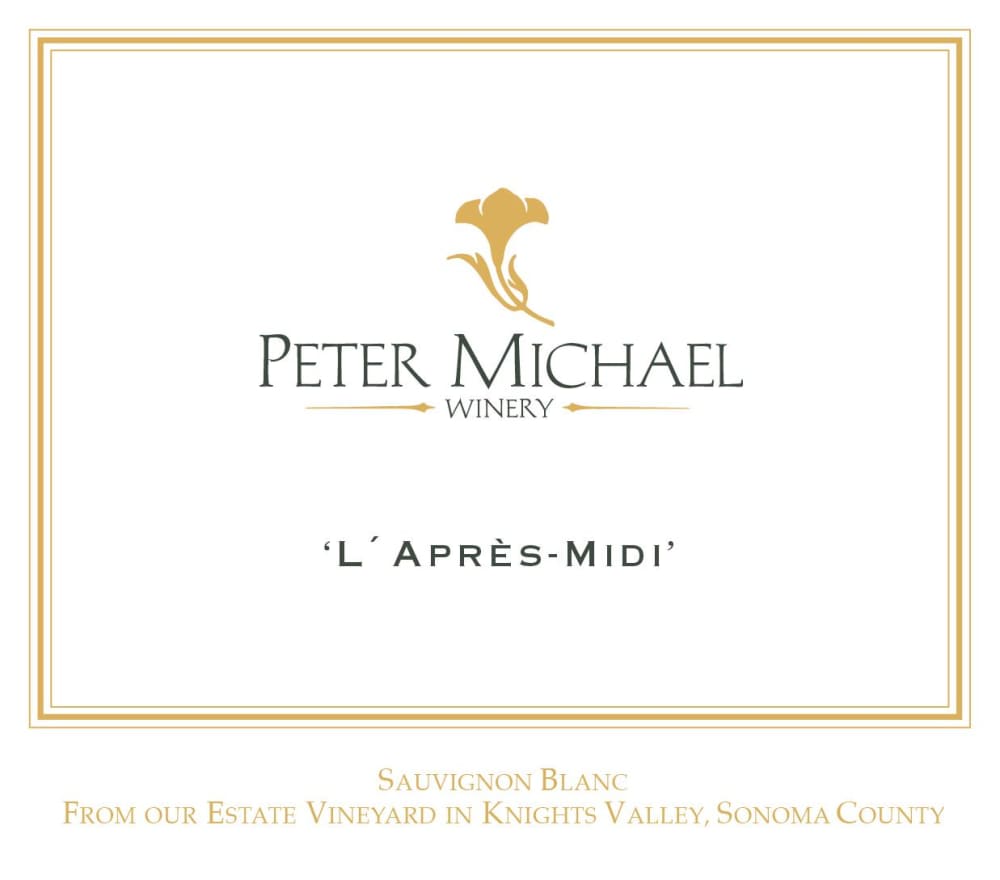
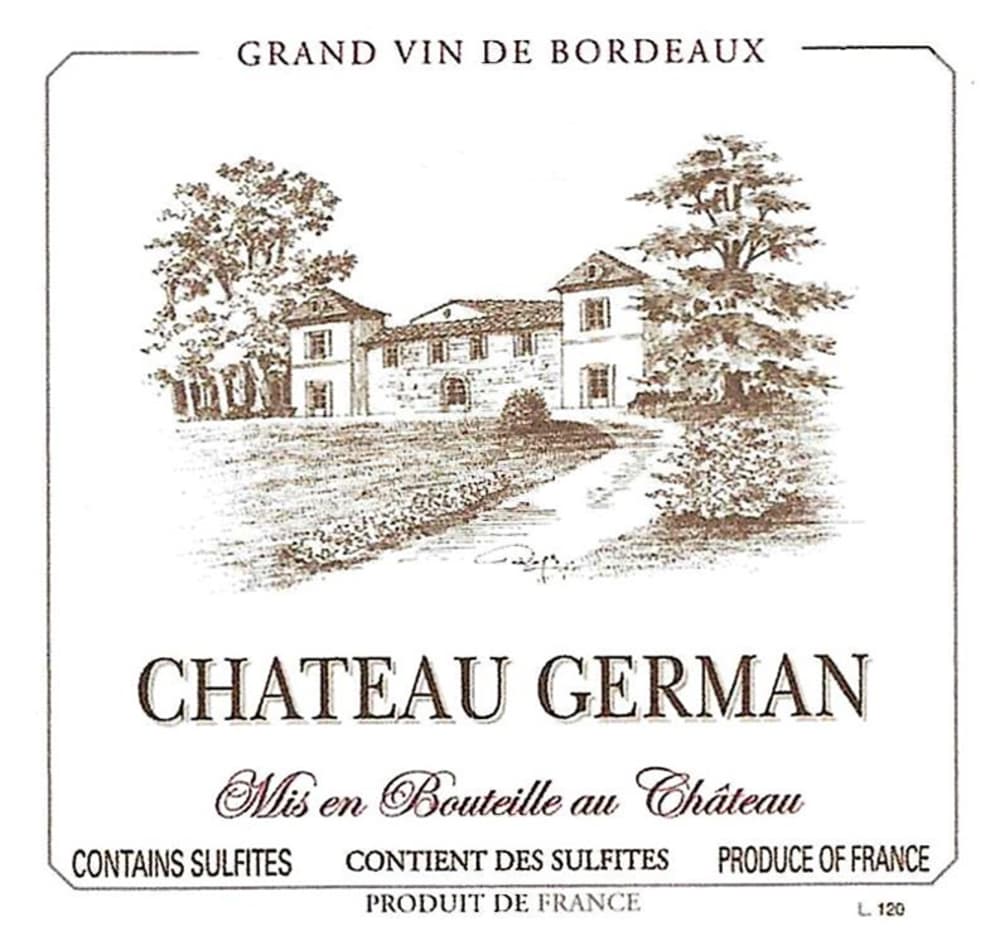
For those seeking to explore the intricate world of white vinification, I recommend focusing on Sauvignon Blanc and Sémillon. These two varietals form the backbone of many exceptional blends, each contributing unique characteristics that enhance the final profile. Sauvignon Blanc brings vibrant acidity and aromatic intensity, while Sémillon adds richness and a honeyed texture.
Chardonnay also plays a significant role in the blending process, offering versatility and depth. Its creamy notes and ability to age gracefully make it a valuable component, especially in more complex assemblages. When combined with the aforementioned varietals, Chardonnay can elevate the overall experience.
In addition to these primary choices, consider the inclusion of Muscadelle. This lesser-known grape adds floral nuances and a touch of sweetness, rounding out the blend beautifully. Experimenting with different proportions can yield remarkable results, allowing for a wide range of flavor profiles and styles.
Common Grape Blends for White Wine in Bordeaux
For crafting exceptional white varietals in this renowned region, Sauvignon Blanc, Sémillon, and Muscadelle are the primary contributors. Sauvignon Blanc imparts vibrant acidity and herbaceous notes, while Sémillon adds richness and a honeyed texture. Muscadelle, though less prevalent, introduces floral aromas and a hint of sweetness.
Proportions and Styles
The typical blend often features a dominant proportion of Sauvignon Blanc, usually around 60-80%, complemented by Sémillon at 20-40%. This ratio creates a balance between freshness and depth, making the final product versatile for various culinary pairings.
Regional Variations
In the Pessac-Léognan subregion, for instance, the emphasis shifts slightly, with a higher presence of Sémillon, which enhances the aging potential and complexity. In contrast, the Entre-Deux-Mers area tends to favor a more Sauvignon Blanc-forward style, leading to crisper and more aromatic profiles.
Experimenting with these combinations can yield delightful results, allowing for a spectrum of flavors and textures that reflect the unique terroir of the area.
Sauvignon Blanc: Characteristics and Role in Blends
Sauvignon Blanc stands out with its crisp acidity and distinctive aromatic profile, making it a key player in numerous blends. I appreciate its vibrant notes of citrus, green apple, and occasionally, a hint of herbaceousness, which add complexity to the final product.
This varietal typically brings a refreshing brightness to the mix, enhancing the overall flavor profile. It pairs well with other varietals, contributing to a balanced structure. When combined with Semillon, for instance, it can soften the latter’s richness while maintaining the blend’s freshness.
The grape thrives in various climates, showcasing different characteristics based on its terroir. In cooler regions, it tends to exhibit more pronounced acidity and herbal notes, while warmer sites result in riper, fruit-forward expressions. I find this versatility allows for a wide range of stylistic possibilities in the blend.
When crafting blends, I focus on the proportion of Sauvignon Blanc to ensure it complements the other components without overpowering them. A well-executed blend highlights the strengths of each varietal, resulting in a harmonious and enjoyable experience.
In summary, Sauvignon Blanc’s zesty profile and aromatic qualities play a crucial role in creating complex and engaging blends, making it a favorite among winemakers and enthusiasts alike.
Semillon: Why It’s a Key Player in Bordeaux Whites
Semillon stands out for its ability to impart richness and complexity to blends. Its low acidity and waxy texture create a harmonious balance with other varietals.
Key characteristics of Semillon include:
- Flavor profile: Notes of honey, citrus, and stone fruits.
- Aging potential: Develops complex flavors over time, including nutty and toasty elements.
- Versatility: Suitable for both dry and sweet styles, making it a sought-after component.
In blends, Semillon often complements the crispness of Sauvignon Blanc. This synergy enhances the overall mouthfeel and depth of the final product. I find that the combination allows for a fuller-bodied experience, appealing to various palates.
Additionally, Semillon’s susceptibility to botrytis cinerea contributes to some of the region’s renowned sweet wines. This noble rot concentrates sugars and flavors, resulting in rich dessert options that are highly regarded.
In conclusion, Semillon plays a pivotal role in shaping the profile of many blends. Its unique attributes not only elevate the quality but also offer a diverse range of expressions in different winemaking styles.
Muscadelle: Contribution to Aromatics and Flavor Profiles
Muscadelle significantly enhances the aromatic complexity of blends. Its unique profile adds a distinct floral and grapey character, often described as reminiscent of orange blossom and jasmine. When I taste wines featuring this variety, I appreciate how it contributes to the overall bouquet, making it more inviting.
Aromatic Qualities
The primary appeal of Muscadelle lies in its aromatic intensity. This variety is known for its pronounced notes of muscat, which can infuse a blend with a sweet, fruity essence. The aromatic complexity elevates the tasting experience, highlighting nuances that might otherwise go unnoticed.
<h3.Flavor Enhancement
<p.Muscadelle also plays a crucial role in the flavor profile, providing a rich, luscious mouthfeel. It tends to soften the acidity present in other components, leading to a more harmonious balance. This quality is particularly advantageous in crafting wines that require a touch of sweetness while maintaining freshness.
| Characteristic | Description |
|---|---|
| Aromatic Profile | Floral and fruity notes, including orange blossom and muscat |
| Flavor Contribution | Luscious mouthfeel; softens acidity |
| Blending Compatibility | Pairs well with Sauvignon Blanc and Semillon |
<p.Incorporating Muscadelle into a blend results in a more complex and layered wine that can captivate the palate. Its ability to enhance both aroma and flavor ensures that it remains a valued component in the crafting of exceptional wines.
Proportions: Typical Ratios of Grapes in Blends
In crafting a balanced and expressive blend, specific ratios play a significant role. For white varieties from this region, the following proportions are often observed:
- Sauvignon Blanc: Typically comprises 50-70% of the blend. Its crisp acidity and aromatic profile form the backbone of many blends.
- Semillon: Commonly represents 20-40%. This variety adds body and richness, enhancing the overall mouthfeel.
- Muscadelle: Usually accounts for 5-10%. It contributes floral notes and complexity, rounding out the blend.
These proportions can vary based on the vintage and the winemaker’s style. In some cases, a higher percentage of Semillon may be used to achieve a richer texture, particularly in warmer years. Conversely, in cooler vintages, Sauvignon Blanc may take precedence to maintain freshness.
Adjustments Based on Terroir
Adjustments in ratios can also reflect the unique characteristics of the terroir. For example, in regions with higher sun exposure, Sauvignon Blanc may dominate, while in cooler areas, Semillon may be favored for its ability to retain acidity.
Impact of Aging
As these blends age, the proportions may shift in perceived flavor intensity. Older wines often showcase a greater presence of Semillon, revealing its potential for complexity and depth over time.


