Chuck Furuya
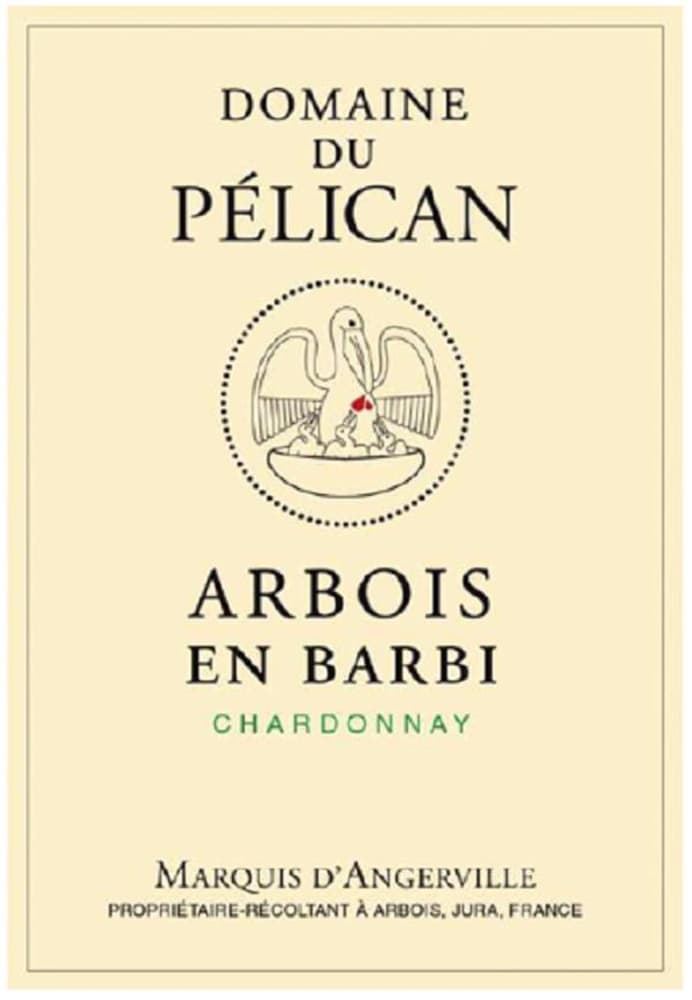

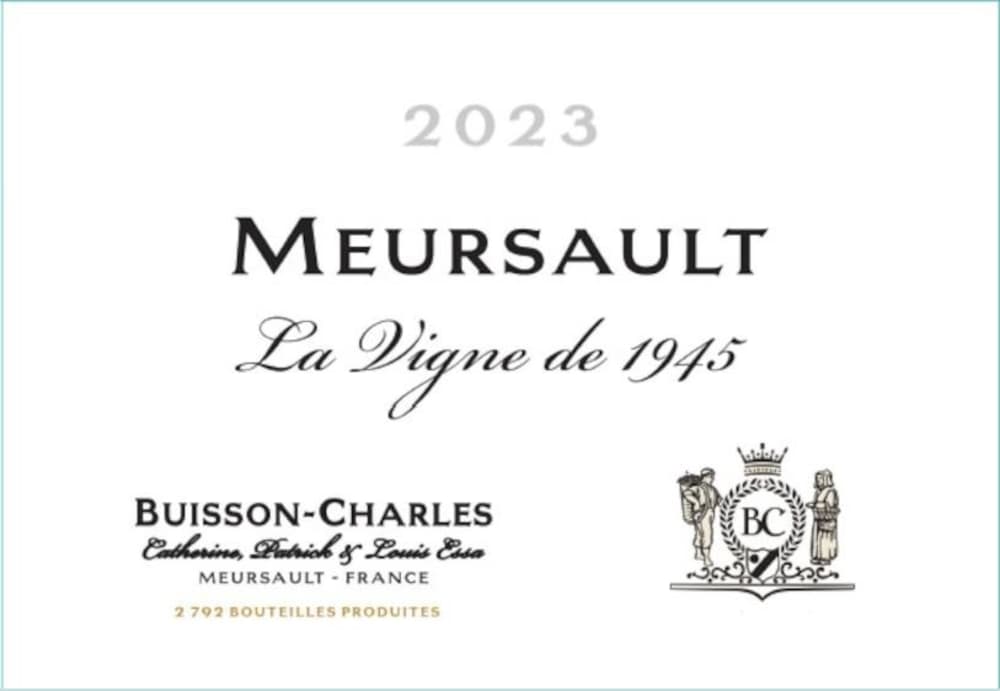
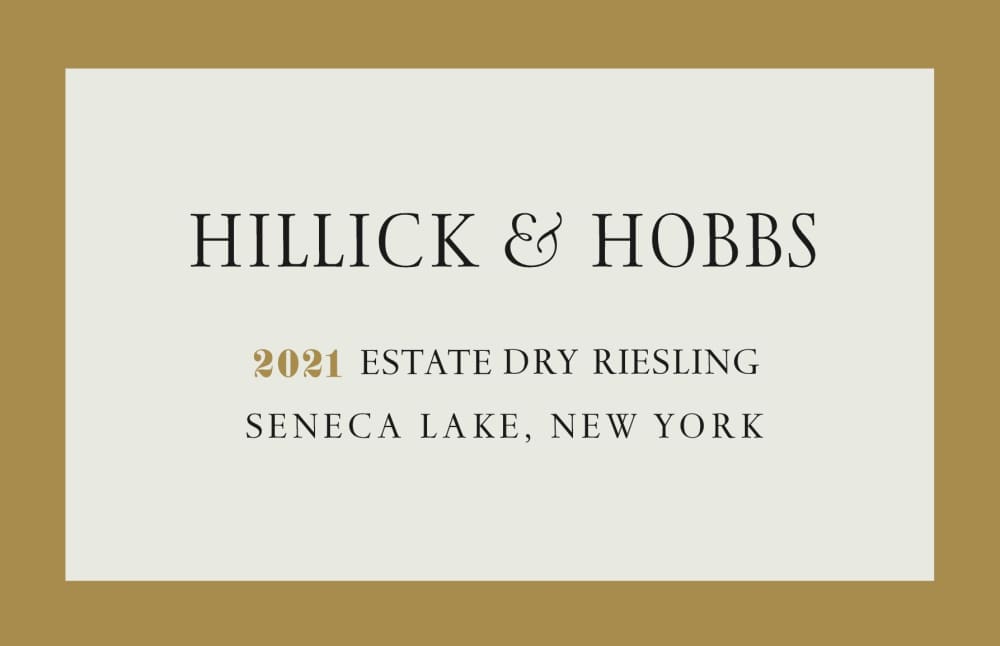
If you’re curious about the components of a crisp and refreshing beverage, I can tell you it’s primarily crafted from specific grape varieties. These grapes are selected for their acidity and flavor profile, which contribute to the drink’s overall character. Common choices include Sauvignon Blanc, Chardonnay, and Pinot Grigio, each offering distinct notes ranging from citrus to floral.
The process begins with harvesting the grapes at optimal ripeness, ensuring a balance between sugar and acidity. Following this, the grapes undergo pressing to extract the juice, which is then fermented. Unlike its darker counterparts, this lighter option typically undergoes fermentation without the grape skins, allowing for a cleaner and more delicate taste.

Aging can also play a significant role in the final product. Some producers opt for stainless steel barrels to preserve freshness, while others may choose oak barrels, imparting additional complexity and depth. The result is a delightful concoction that pairs well with various dishes, enhancing both the meal and the experience.
Composition of Crisp Lighter Varietals
To create refreshing lighter varietals, the primary ingredient is typically grapes such as Chardonnay, Sauvignon Blanc, or Pinot Grigio. These specific types are chosen for their unique flavor profiles and acidity levels.
Fermentation plays a key role in the process. If I prefer a cleaner taste, I opt for stainless steel fermentation, which preserves the freshness and fruit characteristics. Alternatively, barrel fermentation can add complexity and depth, enhancing the final product’s richness.
Malolactic fermentation is another technique I might consider. This secondary fermentation softens the acidity, imparting a creamy texture and buttery notes, especially in Chardonnay.
After fermentation, I focus on the aging process. Aging in stainless steel often results in a crisper taste, while oak barrels can introduce vanilla and spice nuances. The decision on aging duration can influence the final balance significantly.
I also pay attention to the blending process. Combining different grape varieties or vintages can enhance the aroma and flavor complexity, creating a more harmonious profile.
Finally, I ensure that proper filtration and stabilization techniques are applied before bottling. This step is essential for clarity and longevity, ensuring the final product remains appealing when served.
Types of Grapes Used for Dry White Wine
Chardonnay stands out as a versatile choice, offering flavors that range from crisp apple to creamy butter, depending on the region and winemaking techniques. This grape thrives in various climates, making it widely available and popular among producers.
Sauvignon Blanc is another prominent variety, known for its zesty acidity and aromatic profile. It often features notes of citrus, green apple, and occasionally herbaceous undertones. Regions like Marlborough in New Zealand have gained fame for showcasing this grape’s refreshing characteristics.
Pinos Grigio, recognized for its light body and crisp finish, brings flavors of pear and citrus. This grape is especially favored in Italy, where it flourishes and pairs well with seafood dishes.
Other Notable Varieties
Riesling, while often associated with sweetness, can also be vinified to produce a dry style. It offers bright acidity with floral and stone fruit notes. Regions such as Alsace in France excel in crafting these drier interpretations.
Verdicchio, primarily grown in Italy, delivers a unique profile with hints of almond and a distinctive minerality. This grape’s ability to reflect its terroir makes it an intriguing addition to the selections of crisp, refreshing beverages.
Fermentation Process for White Wine Production
Initiate fermentation by crushing the selected grapes to extract juice. This juice is then transferred to fermentation vessels, typically stainless steel or oak barrels, allowing for better temperature control and flavor integration.
Yeast plays a crucial role in this stage. I recommend using specific strains of Saccharomyces cerevisiae, which effectively convert sugars into alcohol and carbon dioxide. The choice of yeast can significantly influence the final taste profile.
Temperature Control
Maintaining an optimal temperature during fermentation is vital. I usually aim for a range of 50°F to 65°F (10°C to 18°C) to preserve delicate aromas and flavors. Cooler temperatures favor fruity and floral notes, while warmer conditions can lead to a more robust profile.
Duration and Monitoring
The fermentation duration varies, typically lasting from one to three weeks. Monitoring specific gravity with a hydrometer helps track the sugar conversion process. Once the desired sugar level is reached, I often press the remaining solids to extract any additional juice.
- Primary fermentation: 1-3 weeks, depending on the grape variety and desired characteristics.
- Pressing: Important to separate liquid from solids to enhance clarity.
- Malolactic fermentation: Optional secondary fermentation to soften acidity, often used for certain varietals.
After fermentation, I usually allow the liquid to settle before racking it into clean containers. This process helps achieve clarity and prepares the product for aging or bottling.
Role of Yeast in Creation of This Type of Beverage
Yeast serves as a pivotal element in the transformation of grape juice into an alcoholic beverage. During fermentation, yeast consumes sugars present in the juice, producing alcohol and carbon dioxide as byproducts. The specific strain of yeast can significantly influence the final flavor profile and aroma of the beverage.
When selecting yeast, I consider factors such as fermentation temperature and desired flavor characteristics. For instance, certain strains thrive at cooler temperatures, yielding crisp and fresh notes, while others prefer warmer conditions, enhancing richness and complexity.
In my experience, wild yeast can impart unique characteristics, often reflecting the terroir. However, cultivated yeast strains provide more reliability and consistency in flavor development. I often experiment with different strains to achieve the desired balance between acidity and sweetness.
Furthermore, the fermentation duration plays a critical role. A prolonged fermentation can lead to a more refined taste as the yeast continues to interact with the remaining sugars and acids. Regular monitoring during this phase ensures the process aligns with my intended flavor profile.
Post-fermentation, the yeast cells can be left in the liquid to enhance complexity through autolysis, releasing compounds that contribute to texture and mouthfeel. This technique often elevates the overall quality of the finished product.
Ultimately, the choice of yeast and fermentation management are fundamental to crafting a beverage that reflects both the grape variety and my vision as a producer. Careful attention to these details can elevate the experience for those enjoying the final product.
Impact of Terroir on Flavor Profile
Terroir significantly influences the flavor characteristics of the beverage. It encompasses various factors, including soil composition, climate, and topography, all of which contribute to the unique taste of the final product.
Key Components of Terroir
- Soil Type: The mineral content and drainage capacity of the soil directly affect the grape’s nutrient uptake. For instance, limestone-rich soils often impart a distinctive minerality to the fruit.
- Climate: Temperature fluctuations between day and night can enhance the acidity and sugar levels in grapes. Cooler climates typically lead to higher acidity, while warmer regions may yield riper, fruitier profiles.
- Geographical Location: Proximity to bodies of water can moderate temperatures and influence humidity, affecting evaporation rates and grape ripening.
Flavor Profiles from Different Regions
- Bordeaux: Known for crisp citrus notes and floral aromas, often attributed to its clay-limestone soils and maritime climate.
- Sancerre: This region produces vibrant, mineral-driven flavors, largely due to its chalky soils and cool climate.
- California: Varietals from this area often exhibit tropical fruit flavors, a result of its warm climate and diverse soil types.
Understanding how terroir shapes flavors allows for better pairing and appreciation of the beverage. Each sip can tell a story of its origin, reflecting the unique environment in which the grapes were cultivated.