Chuck Furuya

If you’re aiming for a refreshing pour with minimal sweetness, consider opting for Sauvignon Blanc or Pinot Grigio. These varietals typically exhibit lower residual sweetness compared to others, making them ideal choices for those mindful of sugar intake.
When selecting, be sure to check the label for specific details. Many producers now provide information on residual sugar content, helping you make informed decisions. Generally, look for options labeled as “dry” to ensure you’re minimizing sugar consumption.
In addition, consider exploring regions known for producing drier styles, such as New Zealand for Sauvignon Blanc or northern Italy for Pinot Grigio. These areas often yield crisp, zesty flavors without the added sweetness.
Choosing Wines with Low Residual Sweetness
For those seeking options with minimal residual sweetness, I recommend focusing on specific varietals known for their dry profiles. Here are some excellent choices:
- Sauvignon Blanc: This grape often showcases high acidity and is typically fermented to dryness. Notable regions include Marlborough and Sancerre.
- Pinot Grigio: Known for its crispness, this varietal is usually produced in a dry style, particularly from regions like Veneto and Friuli.
- Albariño: Hailing from Spain, this wine is fresh and zesty, often exhibiting low sugar levels.
- Chablis: Made from Chardonnay grapes, Chablis from Burgundy is renowned for its mineral qualities and dryness.
- Grüner Veltliner: This Austrian option offers a peppery finish and is generally produced in non-sweet styles.
When selecting a bottle, check the label for indicators of sweetness, such as “dry” or “trocken.” Consulting with knowledgeable staff at a wine shop can also provide insights into specific brands and bottlings that align with your preferences.
Exploring options from these varietals will lead you to enjoyable selections that maintain a low sweetness profile while delivering on flavor and character.
Understanding Sugar Content in White Wines
For those seeking options with minimal sweetness, consider varieties such as Sauvignon Blanc, Pinot Grigio, and Chardonnay. These selections typically have lower residual carbohydrate levels, making them suitable for low-sugar preferences.
When assessing the sweetness of a beverage, it’s essential to check the residual sugar (RS) levels, which indicate the amount of unfermented sugars remaining. Here’s a helpful comparison of different styles:
| Type | Average RS (grams per liter) |
|---|---|
| Sauvignon Blanc | 1-3 |
| Pinot Grigio | 1-4 |
| Chardonnay (dry) | 1-5 |
| Riesling (dry) | 4-9 |
| Gewürztraminer | 5-10 |
For a sharp and refreshing experience, I often recommend opting for Sauvignon Blanc, known for its crisp profile and low carbohydrate content. If you prefer something a bit more full-bodied but still on the drier side, look into a well-crafted Chardonnay. Always check the label for specific RS information; producers often include this data to guide choices.
Identifying Low-Sugar White Wine Varieties
For those seeking options with minimal sweetness, I recommend Sauvignon Blanc, particularly from regions like New Zealand. These selections typically feature dry profiles with crisp acidity and low residual fructose levels.
Another excellent choice is Pinot Grigio, especially from northern Italy. These wines often exhibit fresh fruit notes and a clean finish, appealing to those who prefer drier tastes.
Exploring Other Varieties
Albariño, primarily from Spain, presents another fantastic alternative. Known for its refreshing character and zesty citrus flavors, it usually has a lower sugar concentration.
Final Thoughts
Chardonnay, particularly in its unoaked form, can also be a good candidate. The absence of oak aging often results in less sugar, allowing the natural acidity to shine through. Opting for these varieties will help maintain a lighter palate without excessive sweetness.
How to Read Wine Labels for Sugar Information
To determine the level of sweetness in a bottle, I focus on a few key aspects of the label. First, I check for the term “dry,” as it indicates minimal residual sweetness. On many labels, the sugar content may also be expressed in grams per liter; values below 10 grams per liter generally suggest a drier choice.
Additionally, I look for indications like “brut” or “extra brut,” which are typically associated with low sugar levels, especially in sparkling varieties. Some wines may have specific classifications, such as “trocken” in German wines, which also signifies dryness.
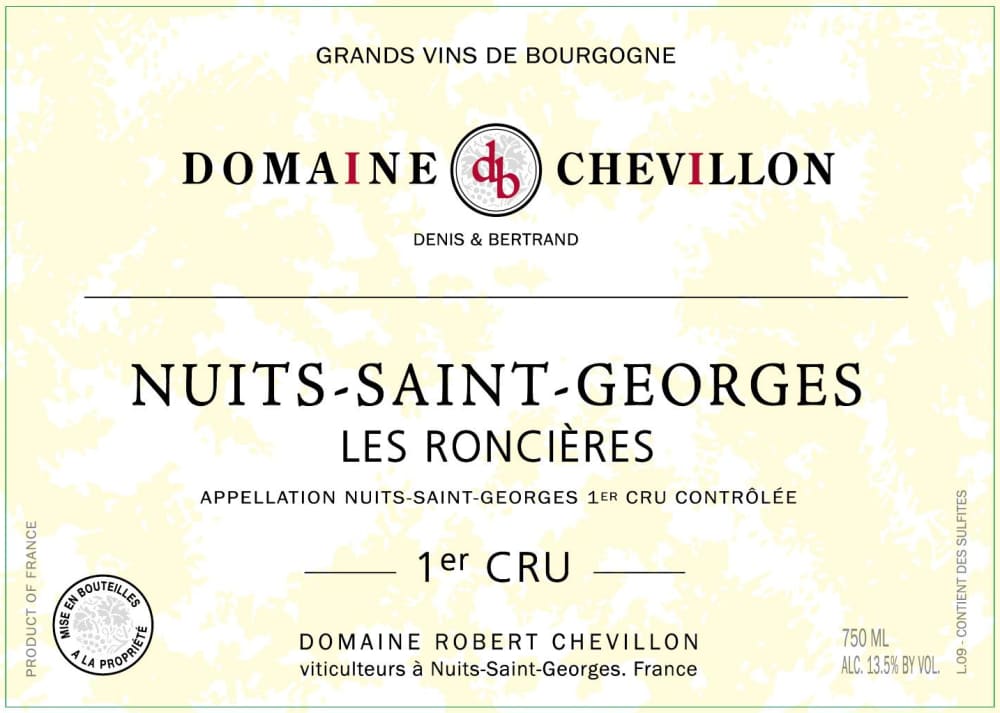
Another helpful tip is to pay attention to the alcohol percentage. Higher alcohol content often correlates with lower sugar, as fermentation converts sugars into alcohol. A label showing 13.5% alcohol or higher can be a reliable indicator of a less sweet option.
Finally, I explore the region of origin. Certain areas are renowned for producing wines with lower sweetness levels. Familiarizing myself with these regions enhances my ability to select less sugary varieties effectively.