Chuck Furuya
When selecting a crisp varietal, I often opt for bottles labeled as “crisp” or “refreshing,” as they generally indicate lower levels of residual sweetness. In my experience, most of these selections contain minimal amounts of natural fruit sugars, typically ranging from 0 to 5 grams per liter. For those mindful of sugar intake, this range is quite favorable.
To make an informed choice, I recommend checking the label or consulting with a knowledgeable staff member at your local wine shop. Many producers now indicate the sweetness level on the back label, providing clarity for consumers like myself who prefer drier profiles. Additionally, varietals such as Sauvignon Blanc or Pinot Grigio are often reliable options for those seeking a less sweet experience.
It’s also worth noting that the perception of sweetness can vary based on acidity levels in the drink. A higher acidity can mask any underlying sweetness, creating a more balanced flavor profile. So, when sampling, pay attention to the overall taste experience rather than focusing solely on sugar content.
Is There Sugar in Dry White Wine?
Yes, a minimal amount of residual sweetness can be found in certain wines classified as lacking sweetness. The fermentation process transforms the majority of natural sugars into alcohol, but not all of it is converted. Typically, a range from 0.1 to 1.5 grams per liter may remain, depending on the specific variety and production methods. This trace amount often goes unnoticed, as the primary focus is on acidity and flavor profiles.
Understanding Perception of Sweetness
Factors such as acidity, tannins, and fruitiness can influence how one perceives sweetness. A higher acidity level can balance out flavors, making the wine taste less sweet despite the presence of residual sugars. Furthermore, the varietal characteristics of the grapes used play a significant role in shaping the overall taste experience.
Choosing Low Residual Options
If minimizing sweetness is a priority, opting for labels that specify low residual content is advisable. Many producers provide this information, often listed on the back of the bottle or in product descriptions. Exploring options from regions known for their crisp, clean profiles can also lead to satisfying choices with minimal sweetness.
Understanding the Fermentation Process of Dry White Wine
Fermentation transforms grape juice into fermented beverages through yeast activity, converting natural carbohydrates into alcohol and carbon dioxide. During this process, the choice of yeast significantly influences flavor and aroma profiles, as different strains impart unique characteristics.
Temperature control during fermentation is crucial. Cooler temperatures typically lead to a slower fermentation, enhancing the preservation of delicate aromas and flavors. I often find that maintaining a range between 55°F to 65°F (13°C to 18°C) is optimal for most styles of fermented beverages derived from white grapes.
Once fermentation begins, the yeast consumes the grape’s inherent carbohydrates, resulting in varying levels of residual sweetness. In the case of fully fermented beverages, minimal amounts of unfermented carbohydrates remain, leading to a crisp and refreshing finish. Monitoring the fermentation process is essential, as it allows adjustments to be made to achieve desired taste profiles.
After fermentation, clarification techniques such as racking or fining are employed to remove solids and clarify the liquid. This step enhances the final product’s visual appeal and overall mouthfeel. Additionally, aging in stainless steel or neutral oak barrels can further shape the flavor complexity, adding subtle nuances without overwhelming the primary fruit characteristics.
Understanding the intricacies of fermentation enables me to appreciate the craftsmanship involved in creating exceptional fermented beverages. Each decision made during this process contributes to the final sensory experience, showcasing the unique terroir of the grapes used.
Identifying Sugar Content in Different Varieties of Dry White Wine
To accurately assess carbohydrate levels in various types of clear fermented grape beverages, consider the following methods and guidelines:
-
Read Labels: Many producers indicate residual carbohydrate levels on the packaging. Look for information on grams per liter, which provides a clear indication of sweetness.
-
Understand Terminology: Familiarize yourself with terms like “bone dry” or “off-dry.” These descriptors can guide expectations regarding sweetness, where “bone dry” typically means minimal to no residual carbohydrates.
-
Check for Acidity: High acidity often balances sweetness. If a beverage has pronounced acidity, it may taste less sweet even with some residual carbohydrates present.
-
Taste Profile: Engage in tastings to develop a palate for differentiating between levels of sweetness. Note how flavors interact, as fruitiness can sometimes mask residual carbohydrates.
-
Consult Reviews and Ratings: Online platforms and wine critics often provide insights into flavor profiles and sweetness levels. This information can be useful for selecting options that align with personal preferences.
By applying these strategies, I can make informed choices, enhancing my enjoyment of various clear fermented grape beverages. Understanding the characteristics of each type allows for a more tailored experience based on individual taste preferences.
How to Read Wine Labels for Sugar Information
Examine the back label for clues about residual sweetness. Look for terms like “off-dry” or “medium-dry,” which indicate the presence of some natural sweetness. If the wine is labeled as “brut,” it usually contains minimal sweetness.
Check the alcohol content. Higher alcohol levels often suggest a lower quantity of residual sweetness, as more sugar converts to alcohol during fermentation. Wines with less than 10% alcohol typically have higher residual sweetness.
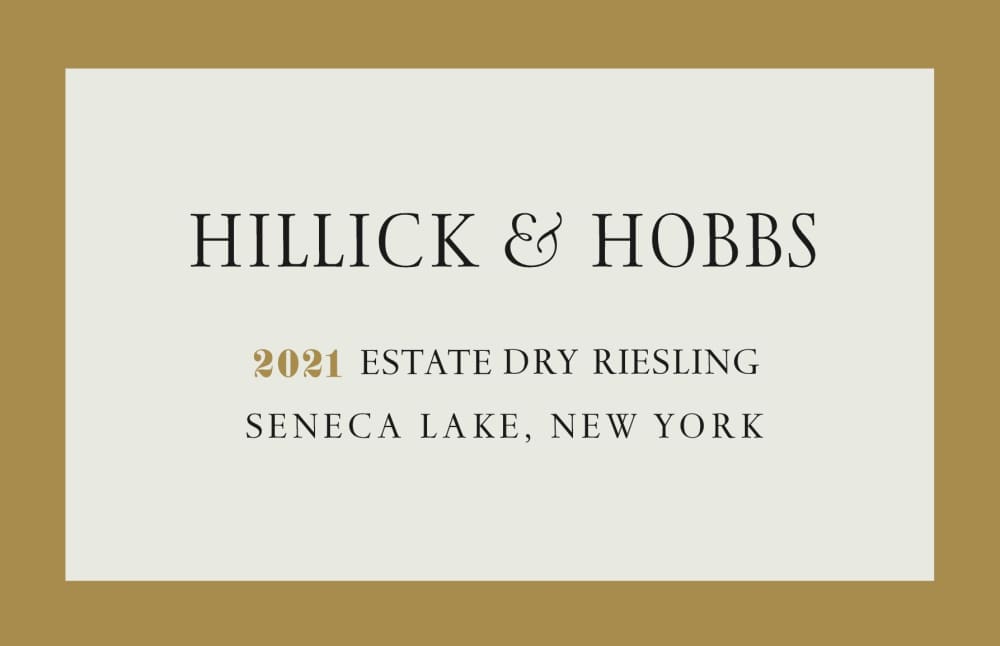
Review the varietal. Certain grape types, like Riesling or Gewürztraminer, are known for higher sweetness levels. In contrast, Sauvignon Blanc and Pinot Grigio generally lean towards lower sweetness.
| Label Term | Meaning |
|---|---|
| Brut | Very dry, low residual sweetness |
| Dry | Little to no sweetness, but may vary |
| Off-dry | Noticeable sweetness |
| Sweet | High residual sweetness |
Look for the term “residual sugar” and its measurement if available. Many producers list this on the label or in accompanying promotional materials. If a specific number is provided, it indicates the grams of sugar per liter.
Consult online resources or apps that provide detailed information on specific bottles if the label lacks clarity. Many enthusiasts share tasting notes and analyses that can help gauge sweetness levels.