Chuck Furuya

If you’re seeking a crisp beverage with minimal sweetness, consider opting for dry options like Sauvignon Blanc or Pinot Grigio. These varietals typically contain less than 1 gram of residual sweetness per liter, making them excellent choices for those monitoring their sugar intake.
Chardonnay, especially when produced in a dry style, is another contender that often showcases low sugar levels. Select unoaked versions, as they tend to retain a more pronounced acidity, further enhancing the perception of dryness.
Exploring regions like the Loire Valley can also lead you to remarkable selections. Wines from this area, particularly Sancerre, are known for their refreshing qualities and low residual sugars, providing a delightful tasting experience without excess sweetness.
For a sparkling option, consider brut styles of sparkling wines, such as those from the Champagne region, where sugar content is rigorously controlled. These wines can offer a celebratory feel while keeping sweetness at bay.
Always check for specific labels that indicate “dry” or “brut” to ensure you’re choosing options with lower sugar content. Enjoy your exploration into the world of less sugary beverages!
Choosing Dry Options
If you’re seeking options with minimal residual sweetness, I recommend exploring dry varieties such as Sauvignon Blanc and Pinot Grigio. These selections typically contain less than 1 gram of residual carbohydrates per glass, making them ideal for those monitoring their intake.
Specific Recommendations
Consider Sauvignon Blanc from regions like New Zealand or California. They offer crisp acidity and herbal notes while maintaining low sweetness levels. Alternatively, Pinot Grigio from Italy is another excellent choice, known for its light body and refreshing profile.
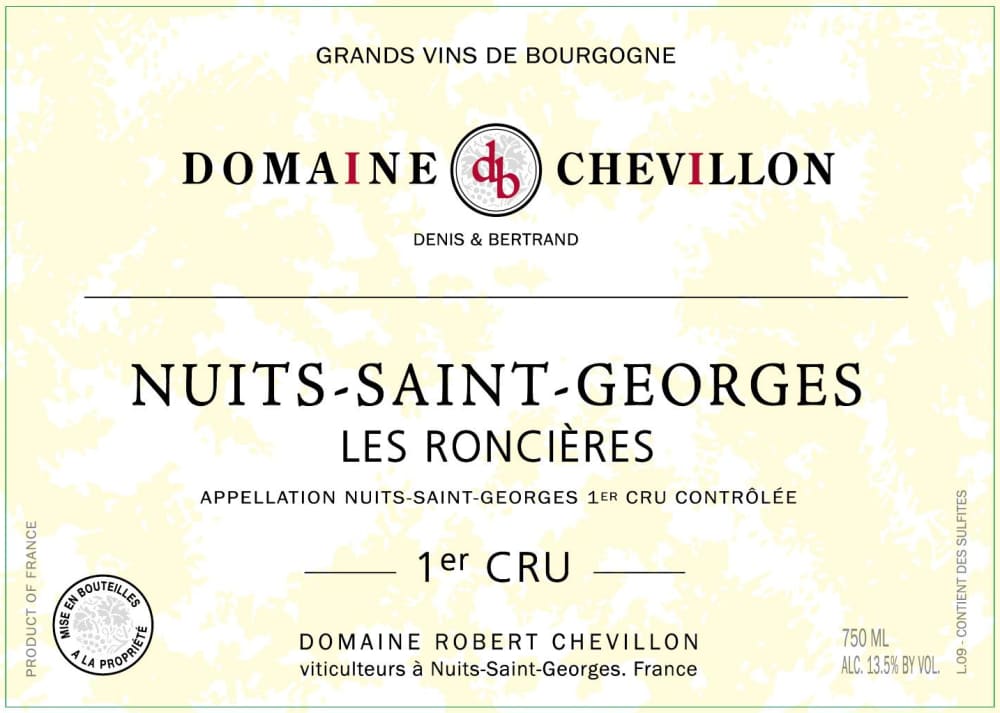
Always check the label for the alcohol content. Higher alcohol levels often correlate with lower sugar content, as yeast converts more sugars into alcohol during fermentation. Look for wines with an ABV of 13% or higher for the best chances of reduced sweetness.
Identifying Low-Sugar White Wine Varieties
For those seeking options with minimal residual carbohydrates, focus on the following varieties:
- Sauvignon Blanc: Known for its crispness and acidity, this type typically features lower carbohydrate levels.
- Pinot Grigio: Often dry, it offers refreshing flavors while maintaining a low residual sweetness.
- Chardonnay: Opt for unoaked versions, as they generally contain less residual sugar compared to their oaked counterparts.
- Verdejo: This Spanish variety is celebrated for its dryness and bright citrus notes.
- Albarino: Characterized by its high acidity and low sugar content, this option pairs well with seafood.
Check the labels for terms such as “dry” or “brut,” indicating lower sweetness levels. Additionally, many producers offer specific information on residual sugar content, aiding in informed choices.
Consider exploring regions known for crafting dry styles, like the Loire Valley for Sauvignon Blanc or Italy for Pinot Grigio. Engaging with knowledgeable staff at wine shops can also lead to personalized recommendations tailored to your preferences.
Understanding Residual Sugar Levels in Wines
To accurately assess sweetness in beverages, I focus on residual sugar levels, which indicate the amount of unfermented sugar left after fermentation. A measurement of less than 1 gram per liter typically signifies a dry profile, while anything above that can lead to noticeable sweetness. For those seeking options with minimal sweetness, I recommend selecting varietals like Sauvignon Blanc or Pinot Grigio, known for their crisp acidity and low residual sugar content.
When evaluating labels, look for terms such as ‘dry’ or ‘brut’. These classifications often correlate with lower sugar levels. Additionally, some producers may provide specific measurements on the back label, which can guide your choices. Regions such as Alsace and parts of Italy are known for crafting selections with restrained sweetness, making them ideal for a dry palate.
Understanding the fermentation process can also help. Yeast converts sugar into alcohol, and in dry styles, this process is allowed to complete fully, resulting in a beverage with minimal residual sugar. Opting for wines from cooler climates can also lead to lower sweetness, as these grapes tend to retain acidity and sugar levels are naturally kept in check.
Finally, consider trying sparkling varieties labeled as ‘brut nature’ or ‘zero dosage,’ which indicate no added sugar. These options offer an excellent way to enjoy effervescence without added sweetness, aligning perfectly with a preference for drier profiles.