Chuck Furuya
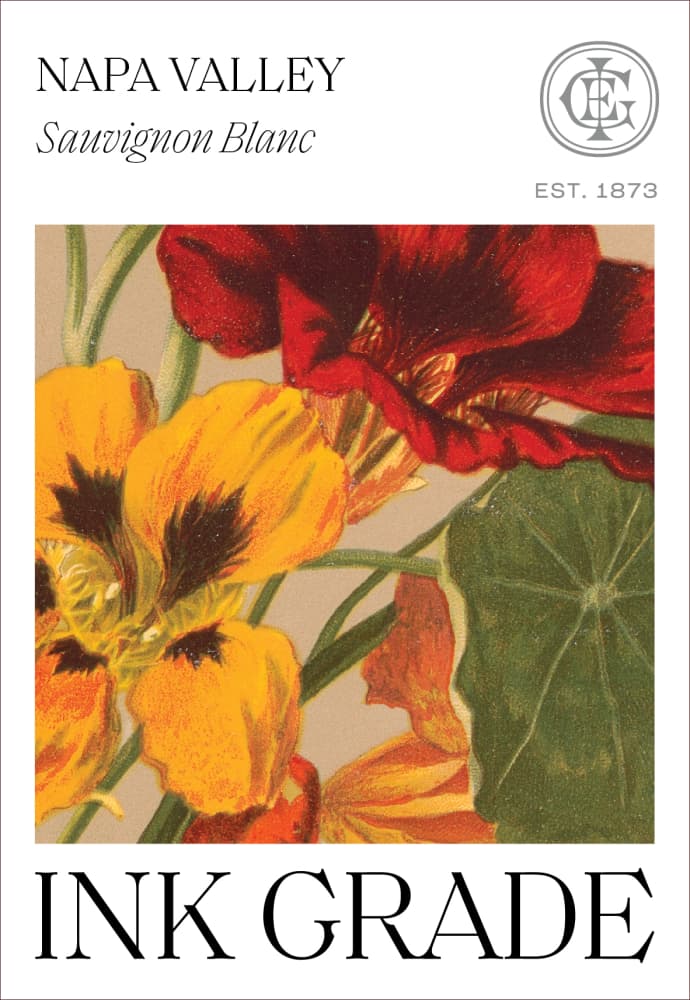
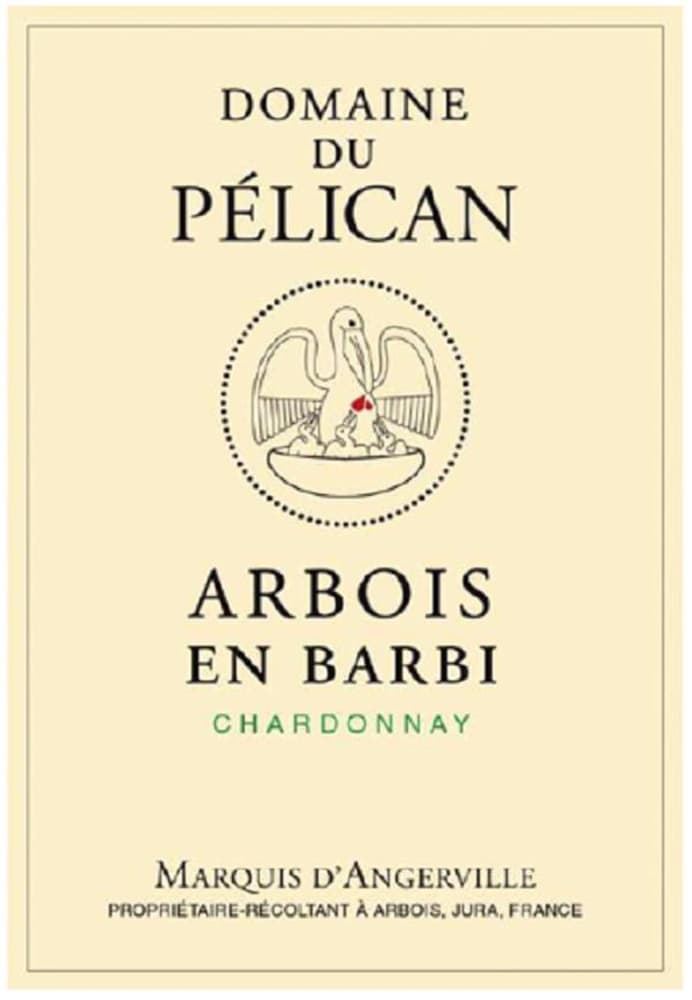
In general, alcohol content for these lighter varieties typically ranges from 11% to 14%. For instance, I often find that a crisp Sauvignon Blanc hovers around 12.5%, while a rich Chardonnay can reach up to 14%. This variation depends on multiple factors, including grape ripeness, climate conditions, and fermentation processes.
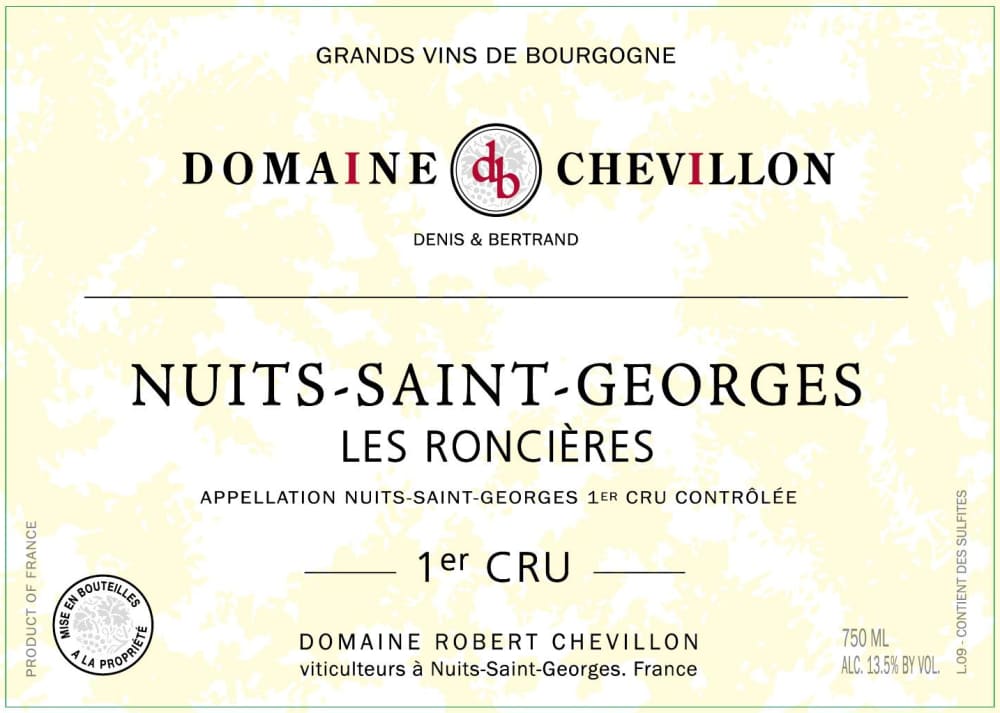
When selecting a bottle, I recommend checking the label for specific information about alcohol concentration. This can give insight into flavor intensity and overall character. A higher level usually indicates a fuller body and more pronounced flavors, while lower content may lead to a more refreshing experience.
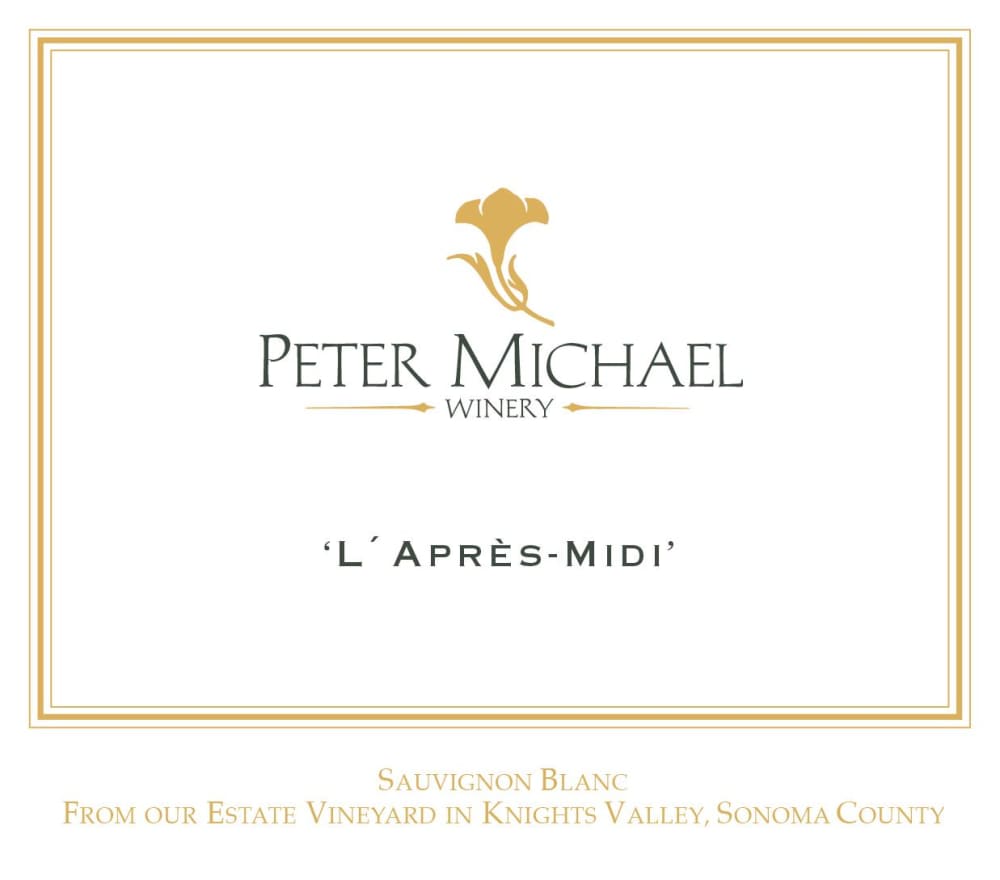
Furthermore, if you’re pairing with food, consider how the strength of the beverage complements the meal. A lighter option works beautifully with seafood or salads, while a more robust choice pairs well with creamy dishes or roasted meats. Understanding the nuances of alcohol levels can enhance my enjoyment of the tasting experience.
Understanding Alcohol by Volume in White Wine
For those exploring the nuances of fermented grape beverages, it’s essential to recognize that the alcohol content typically ranges from 11% to 14%. However, some varieties may exceed this range, reaching up to 16%. Selecting a label with a specific percentage can enhance the tasting experience.
Here are key points to consider:
- Regions influence alcohol levels; warmer climates often produce higher alcohol percentages due to the increased sugar content in ripe grapes.
- Different varietals have distinct profiles; for example, Sauvignon Blanc generally has lower alcohol compared to Chardonnay.
- Winemaking techniques, including fermentation methods and residual sugar levels, can also impact the final alcohol percentage.
When pairing these beverages with food, consider the alcohol content. Higher percentages can intensify flavors and alter the overall drinking experience. Opt for lighter options with lower alcohol for delicate dishes, while richer fare may benefit from bolder selections.
For those monitoring intake, always check labels. Understanding these details can influence not only palate preferences but also enjoyment during social gatherings.
Factors Influencing Alcohol Content in White Wine
Climate plays a pivotal role in determining alcohol content. Regions with warmer climates tend to produce grapes with higher sugar levels, leading to increased fermentation and, consequently, higher alcohol percentages. Conversely, cooler climates yield grapes with lower sugar concentrations, resulting in lighter beverages.
Grape Variety
Different grape varieties have unique characteristics affecting sugar accumulation. Here are some examples:
- Chardonnay often has higher sugar levels, contributing to fuller-bodied options.
- Sauvignon Blanc usually offers a crisper profile, often with lower alcohol levels.
- Riesling can range widely, from low to high alcohol, depending on ripeness at harvest.
Winemaking Techniques
Techniques employed during fermentation can also influence final alcohol levels:
- Extended maceration can enhance flavor and potentially increase alcohol.
- Use of specific yeast strains may impact fermentation efficiency, affecting the final percentage.
- Fortification, common in certain styles, deliberately raises alcohol levels through additional spirits.
Harvest timing is critical; picking grapes at peak ripeness ensures optimal sugar levels, which directly correlates to alcohol content. Monitoring weather patterns and grape health ensures timely harvesting.
Each of these factors contributes to the complexity and diversity of this category of beverages, creating a wide range of choices for enthusiasts.
Comparing ABV Levels Across Different White Wine Varieties
Chardonnay typically presents an alcohol content ranging from 13% to 15%. This variety thrives in warmer climates, allowing grapes to fully ripen, which contributes to higher levels.
Sauvignon Blanc often shows a lower range, about 10% to 13%. Its crisp and zesty profile is enhanced by cooler growing conditions, impacting its fermentation process and resulting in a lighter drink.
Riesling is known for its versatility, with alcohol levels varying from 8% to 12%. Sweet styles tend to have lower percentages due to residual sugars, while dry versions may reach higher levels.
Pinot Grigio usually falls within the 11% to 13% range. Its refreshing characteristics are maintained through selective harvesting and precise fermentation techniques.
Here is a summary of alcohol content across various types:
| Variety | ABV Range (%) |
|---|---|
| Chardonnay | 13 – 15 |
| Sauvignon Blanc | 10 – 13 |
| Riesling | 8 – 12 |
| Pinot Grigio | 11 – 13 |
Each variety offers distinct flavors and experiences, significantly influenced by their respective alcohol levels. Understanding these nuances enhances appreciation and selection for various occasions.