Chuck Furuya


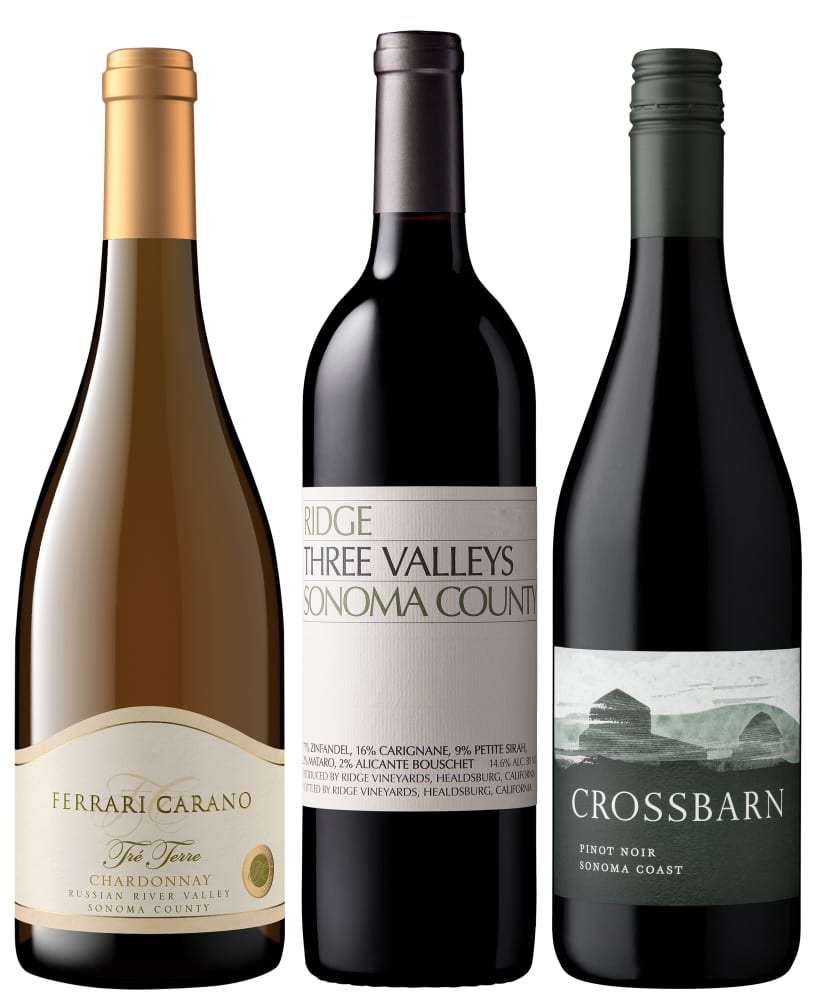
For cozy evenings by the fire, I often lean towards a full-bodied red, such as a rich Cabernet Sauvignon or a velvety Merlot. These selections provide warmth and depth, perfectly complementing hearty meals and the chilly atmosphere.
However, I also appreciate the crispness of a well-chilled white, especially a buttery Chardonnay or a fragrant Riesling. These options can be surprisingly comforting, particularly when paired with roasted vegetables or seafood dishes that evoke the essence of the season.
Ultimately, my preference shifts based on the occasion and the food being served. A robust red can enhance the flavors of a winter stew, while a refreshing white might brighten a gathering with friends. The key is to consider the mood and menu when making your choice.
Choosing the Right Option for Colder Months
For chilly evenings, I lean towards deeper, robust varieties. Full-bodied selections with rich flavors create a cozy atmosphere. Popular choices include:
- Cabernet Sauvignon: Its bold profile complements hearty dishes.
- Syrah/Shiraz: Offers spicy notes and dark fruit flavors, perfect for warming up.
- Malbec: Known for its smooth finish, pairs well with grilled meats and stews.
- Pinot Noir: A lighter option with earthy tones, suitable for various winter meals.
However, I also appreciate the refreshing qualities of certain lighter beverages during this season. Notable selections that stand out are:
- Chardonnay: Especially those with oak aging, providing a creamy texture.
- Sauvignon Blanc: Crisp and zesty, a delightful contrast to heavy meals.
- Riesling: Its sweetness and acidity balance rich flavors, perfect for spicy dishes.
Ultimately, my choice depends on the occasion and the dishes being served. Hearty meals and gatherings call for the former, while lighter fare can be complemented by the latter. Having both options available ensures a delightful experience for any gathering I host during the colder months.
Understanding the Flavor Profiles of Seasonal Selections
For cozy evenings, I recommend exploring the rich and bold characteristics of darker varietals. These selections tend to offer flavors such as:
- Blackberry and plum
- Spices like cinnamon and clove
- Earthy notes, including leather and tobacco
- Robust tannins that provide a warming sensation
On the other hand, lighter alternatives can present a refreshing contrast with their crisp acidity and fruit-forward profiles. Some notable attributes include:
- Citrus fruits like lemon and grapefruit
- Floral hints, such as jasmine or honeysuckle
- Mineral undertones that add complexity
- Subtle herbaceous notes, including basil or thyme
When selecting, consider pairing options. The depth of flavor in fuller-bodied choices complements hearty dishes like stews and roasts. Conversely, the brightness in lighter selections can enhance lighter fare such as seafood or salads, even during colder months.
Ultimately, the choice hinges on personal preference and the culinary experience desired. Embrace the opportunity to experiment with various flavor profiles, discovering what resonates most with your palate during this season.
Pairing Winter Dishes with Red and White Wines
I recommend opting for a robust Cabernet Sauvignon with hearty stews or a rich beef bourguignon. The tannins and dark fruit notes complement the savory flavors beautifully.
For creamy dishes like risottos or pasta with Alfredo sauce, a full-bodied Chardonnay works wonders. Its buttery texture enhances the creaminess, creating a harmonious balance on the palate.
When enjoying roasted root vegetables, consider a Pinot Noir. This light-bodied option, with its bright acidity and berry flavors, contrasts nicely with the sweetness of the veggies.
A rich Syrah pairs excellently with barbecued meats or spicy chili. The bold spice and fruit characteristics elevate the flavors of these dishes, making each bite delicious.
For a classic pairing, try a Merlot with a cozy mushroom soup. The earthy flavors of the soup blend seamlessly with the smooth, velvety profile of the Merlot.
On the other hand, a Sauvignon Blanc can enhance a seafood chowder. Its crisp acidity cuts through the richness, providing a refreshing finish.
For those who enjoy a bit of sweetness, a Riesling pairs well with spicy Asian cuisine, offering a delightful contrast that balances the heat.
Lastly, a warming mulled blend of spices with fruity notes is perfect for sipping by the fire, enhancing the cozy atmosphere of the season.
The Role of Temperature in Wine Selection
Serving temperature significantly impacts the enjoyment of both varieties. I recommend red options be served between 60°F and 65°F (15°C to 18°C). This range allows the bold flavors and tannins to express themselves fully. For lighter choices, a chill of 50°F to 55°F (10°C to 13°C) enhances the crispness and aromatic qualities.
Impact on Flavor Perception
The temperature alters how flavors are perceived. Cooler conditions can amplify acidity and fresh notes, making them more refreshing. Conversely, warmer temperatures can soften tannins, making full-bodied selections feel more approachable. Adjusting the serving temp can elevate the tasting experience, particularly with dishes that feature rich sauces or hearty ingredients.
Storage Considerations
Storing bottles at stable temperatures between 50°F and 55°F (10°C to 13°C) is crucial. Fluctuations can compromise quality. I find that allowing selections to breathe at room temperature for a brief period before serving can enhance the overall tasting experience, especially for those with complex profiles that require air exposure.
Health Benefits of Red vs. White in Cold Weather
During chilly months, I prefer opting for deep, rich varieties due to their numerous health advantages. Red selections contain higher levels of resveratrol, a compound linked to heart health. This polyphenol may help reduce inflammation and improve blood circulation, which is especially beneficial when temperatures drop.
Red Varieties
- Rich in antioxidants, particularly flavonoids, which combat oxidative stress.
- May lower bad cholesterol levels, improving overall cardiovascular function.
- Supports healthy blood sugar levels, making it a suitable choice for those mindful of their glycemic index.
White Selections
- Contains fewer calories and sugar compared to its darker counterparts, appealing to those watching their intake.
- Offers potential anti-inflammatory properties, beneficial for maintaining joint health during colder months.
- Higher levels of certain vitamins, such as vitamin C, which can boost the immune system.
Choosing either option can provide unique health benefits, but I find the heart-healthy advantages of darker varieties particularly appealing during the colder months. Each type brings its own set of nutrients, so it can be rewarding to enjoy both throughout the season.
Popular Winter Wine Regions and Their Offerings
For a cozy evening, I recommend exploring selections from regions renowned for their seasonal offerings. Tuscany stands out with its full-bodied Sangiovese, perfect for hearty dishes. The Chianti Classico area produces robust reds that complement rich flavors beautifully.
In the Rhône Valley, I find myself drawn to the Grenache-based blends, which provide depth and warmth. These wines pair exceptionally well with roasted meats and stews, making them ideal companions during colder months.
Moving to Spain, the Ribera del Duero region is known for its Tempranillo, offering a delightful balance of fruit and spice. This variety shines alongside savory tapas or grilled vegetables, enhancing the overall experience.
On the other side of the globe, New Zealand’s Central Otago produces exquisite Pinot Noir. With its elegant fruit profile and silky tannins, it works well with everything from duck to mushroom risotto, adding a touch of sophistication to winter meals.
In contrast, the Loire Valley in France offers delightful whites like Chenin Blanc, which can provide a refreshing contrast to heavier fare. This region’s offerings are versatile, suitable for both sipping by the fire and pairing with lighter dishes.
| Region | Varietal | Pairing Suggestions |
|---|---|---|
| Tuscany | Sangiovese | Hearty Italian dishes, roasted meats |
| Rhône Valley | Grenache | Stews, grilled meats |
| Ribera del Duero | Tempranillo | Savory tapas, grilled vegetables |
| Central Otago | Pinot Noir | Duck, mushroom risotto |
| Loire Valley | Chenin Blanc | Lighter dishes, seafood |
Exploring these regions not only enhances my experience but also broadens my palate for the season. Each offers unique characteristics that can elevate any gathering during this chilly time of year.
How to Serve Red and White Varietals in Cold Weather
For optimal enjoyment, I recommend that full-bodied options be served at a slightly warmer temperature, around 60-65°F (15-18°C). This enhances the complexity of flavors and aromas, making the experience rich and satisfying. If the bottle is too warm, a quick chill in the fridge for about 15 minutes can help achieve the right balance.
For lighter styles, aim for a cooler serving temperature around 50-55°F (10-13°C). This helps to preserve the crispness and acidity, making it refreshing against the backdrop of chilly conditions. A brief stint in the refrigerator for 30 minutes should suffice for achieving the desired temperature.
When pouring, consider using larger glasses for the heavier selections to allow for aeration, which can mellow tannins and enhance the bouquet. For the lighter varieties, standard-sized glasses work perfectly, allowing the delicate aromas to concentrate.
Pairing with food is equally essential. Hearty dishes, like stews or roasted meats, complement the bold characteristics of fuller-bodied selections. In contrast, lighter fare such as seafood or salads pairs beautifully with the more delicate offerings.
Lastly, consider decanting full-bodied options. This process aerates the wine, allowing it to open up and reveal its full character. A decanting time of 30 minutes is usually sufficient to enhance the tasting experience.