Chuck Furuya

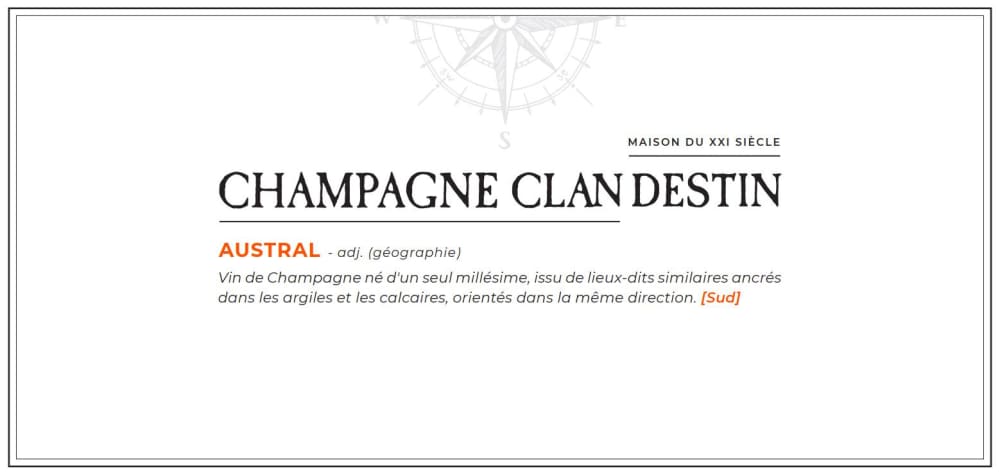

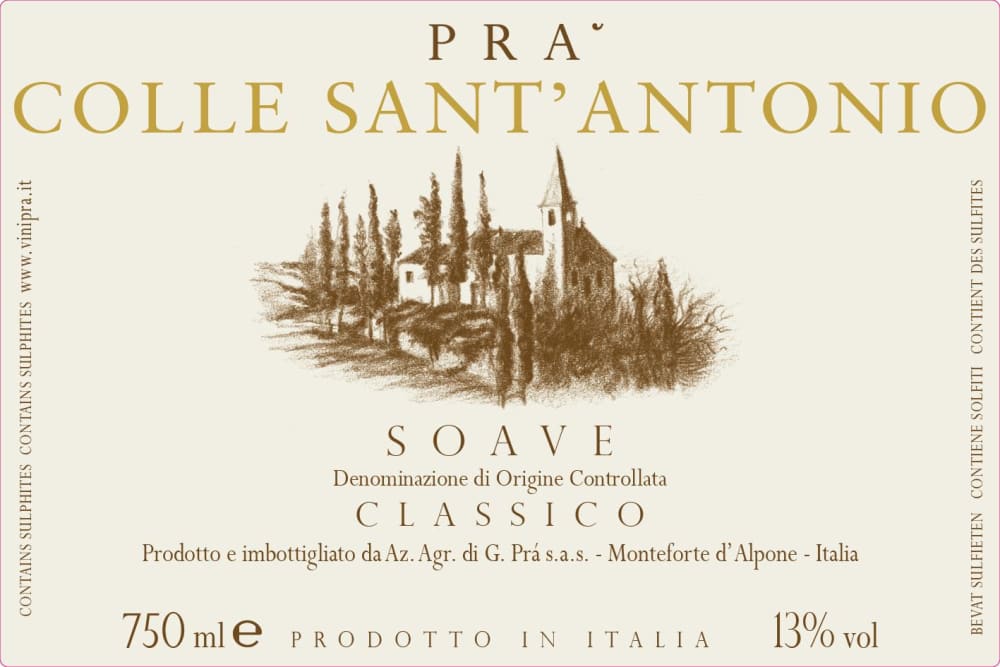
If you are looking for an exceptional match, I highly recommend a crisp Sauvignon Blanc. Its zesty acidity and bright citrus notes complement the brininess of shellfish perfectly, enhancing the overall flavor experience.
Another excellent choice is a Chablis, which offers mineral undertones that mirror the oceanic essence of these delicacies. The clean finish of this French varietal balances the richness of the oysters, creating a delightful palate sensation.
For those who prefer something slightly different, consider a dry Riesling. Its fruit-forward profile, coupled with a touch of acidity, provides an intriguing contrast to the salty notes of the oysters. This pairing can elevate the tasting experience to new heights.
Lastly, a sparkling option like Champagne or a high-quality Cava can add a celebratory touch. The effervescence cuts through the creaminess of the oysters, making each bite feel refreshing and lively.
Pairing Recommendations
For a delightful pairing, I recommend trying a crisp Muscadet. Its high acidity and mineral notes enhance the brininess of the seafood, creating a refreshing balance on the palate.
Other Notable Options
Sauvignon Blanc, particularly from the Loire Valley, also complements the delicate flavors beautifully. The zesty citrus and herbaceous qualities provide a lively contrast that accentuates the freshness of the shellfish.
Exploring Regional Varieties
If you prefer something with a bit more body, consider a Chablis. The subtle oak influence and flinty character work harmoniously, adding depth while maintaining the necessary crispness.
Choosing the Right Pairing Based on Oyster Type
For Kumamoto varieties, I recommend a crisp Sauvignon Blanc. Its citrus notes and bright acidity complement the sweet, buttery flavors of these oysters perfectly.
Pacific oysters benefit from a mineral-driven Albariño. The wine’s salinity mirrors the briny essence of the oysters, enhancing the overall tasting experience.
Eastern oysters pair wonderfully with a dry Riesling. The wine’s acidity and hints of stone fruit harmonize with the rich, creamy texture of these mollusks, creating a delightful balance.
For Wellfleet oysters, I opt for a lightly oaked Chardonnay. The wine’s subtle buttery undertones and moderate acidity elevate the subtle sweetness and complexity of the oyster’s flavor.
Lastly, I find that Irish oysters shine with a sparkling wine, like Champagne. The bubbles and vibrant acidity cleanse the palate and accentuate the fresh, briny taste of the oysters.
Understanding the Salinity and Flavor Profile of Oysters
The unique taste of mollusks is largely influenced by their habitat, primarily the salinity of the water they inhabit. High salinity levels generally yield a brinier, more intense flavor, while those from lower salinity areas tend to have a milder, sweeter profile.
Key Flavor Attributes
- Brininess: This salty characteristic enhances the seafood experience, making it ideal for pairing with crisp, acidic beverages.
- Sweetness: Some varieties exhibit subtle sweet notes, particularly those raised in estuaries where fresh and saltwater mix.
- Minerality: A distinct mineral quality can be present, often reflective of the oyster’s growing environment, which complements certain beverages beautifully.
Influence of Region
Regional variations significantly affect flavor profiles. For instance:
- East Coast: Oysters from this region, such as Blue Points and Wellfleets, often have a pronounced briny flavor.
- West Coast: Varieties like Kumamoto and Pacific oysters typically offer a sweeter, creamier taste.
Understanding these flavor dynamics is crucial for selecting the right accompaniment, enhancing the overall tasting experience. Salinity and unique tastes are the cornerstones that define the perfect pairing.
Popular Varieties for Pairing with Oysters
Chablis stands out as an excellent choice, offering crisp acidity and mineral notes that enhance the briny flavors of these shellfish. Its high acidity cuts through the richness, making it a delightful match.
Sauvignon Blanc, particularly from regions like New Zealand, provides vibrant citrus and herbaceous characteristics. This brightness complements the natural sweetness of certain oysters, especially Pacific and Kumamoto varieties.
Another Remarkable Option
Albariño, originating from Spain, boasts a refreshing profile with stone fruit and floral notes. Its slight salinity mirrors the taste of the sea, creating a harmonious pairing that highlights the oceanic essence of oysters.
Considerations for Specific Types
For those who prefer a richer palate, a lightly oaked Chardonnay can be rewarding. The buttery texture and vanilla undertones work well with larger oysters like Atlantic or European types. Balancing these wines’ weight with the oysters’ creaminess can elevate the entire tasting experience.
Temperature and Serving Suggestions for White Wine
Serve chilled at 45-50°F (7-10°C) for optimal enjoyment. This temperature enhances the crispness and acidity, allowing each sip to complement the briny taste of the shellfish. Use an ice bucket for quick chilling, filling it with ice and water to ensure even cooling.
Glassware Choice
Select a tulip-shaped glass, which concentrates aromas while allowing for proper aeration. The narrower opening helps retain the delicate scents that pair beautifully with the marine flavors of the dish.
Decanting and Aeration
Decanting is rarely necessary for lighter varieties, but allowing the bottle to breathe for 15-30 minutes can enhance complexity. Swirling gently in the glass will also release more aromas, enriching the tasting experience.
Pairing seafood with a light-bodied option offers a refreshing contrast, while a more robust choice can provide an interesting balance. Remember to enjoy promptly to appreciate the wine’s freshness alongside the exquisite taste of the shellfish.
Regional Pairings: Wines and Oysters from the Same Area
For an optimal experience, consider matching seafood from specific regions with local varietals. This approach enhances the flavors through complementary characteristics. For instance, if you enjoy oysters from the Pacific Northwest, pair them with a refreshing Pinot Gris from Oregon. The crisp acidity and fruitiness of the wine elevate the briny notes of the mollusks.
Another classic example is the combination of oysters from the east coast, particularly from New England, with a chilled Sauvignon Blanc from the region. The zesty profile of the Sauvignon Blanc reflects the oceanic environment, creating a harmonious balance.
| Region | Oyster Type | Recommended Pairing |
|---|---|---|
| Pacific Northwest | Kumamoto | Pinot Gris |
| New England | Blue Point | Sauvignon Blanc |
| France – Normandy | Fine de Claire | Chablis |
| Australia – Tasmania | Sydney Rock | Chardonnay |
| Japan – Hiroshima | Hiroshima Oyster | Junmai Sake |
Exploring regional pairings not only highlights local produce but also fosters a deeper appreciation for the unique characteristics of both the seafood and the beverages. This method allows for a delightful culinary synergy reflecting the terroir of each area.
How Acidity in Wine Enhances Oyster Flavor
High acidity from a glass complements the briny notes of shellfish perfectly. It cuts through the richness and balances flavors, creating a harmonious experience.
Here are key points about the interaction between acidity and oyster taste:
- Citrus Notes: Wines with citrus profiles, such as Sauvignon Blanc, amplify the freshness of oysters, enhancing their natural zest.
- Mineral Undertones: Varieties like Chablis, which possess mineral qualities, echo the oceanic essence of shellfish, creating a seamless connection.
- Sharpness: A bright acidity sharpens the palate, making each bite of oyster more pronounced and flavorful.
- Length of Finish: Higher acidity often results in a longer finish, allowing the flavors of both the beverage and shellfish to linger delightfully.
When selecting a drink, consider those with crisp, refreshing qualities. This not only enhances the tasting experience but also elevates the overall enjoyment of the dish.
Common Mistakes to Avoid When Pairing Wine with Oysters
Avoid selecting overly oaked varieties, as the strong wood flavors can overshadow the delicate taste of shellfish. Instead, opt for crisp and clean selections that enhance the natural brininess.
Ignoring Regional Pairing
Failing to consider local pairings can lead to mismatched profiles. Regions known for specific shellfish often produce complementary varieties. For instance, pairing Pacific oysters with wines from nearby vineyards can elevate the experience.
Overlooking Temperature
Serving chilled selections is crucial. Many make the mistake of letting the beverage warm up too much, which diminishes the refreshing qualities. Aim for a serving temperature around 45-50°F (7-10°C) to maintain optimal flavor balance.
Lastly, don’t forget about personal preferences. While guidelines are helpful, individual taste plays a significant role. Experimentation leads to the most satisfying experiences.