Chuck Furuya
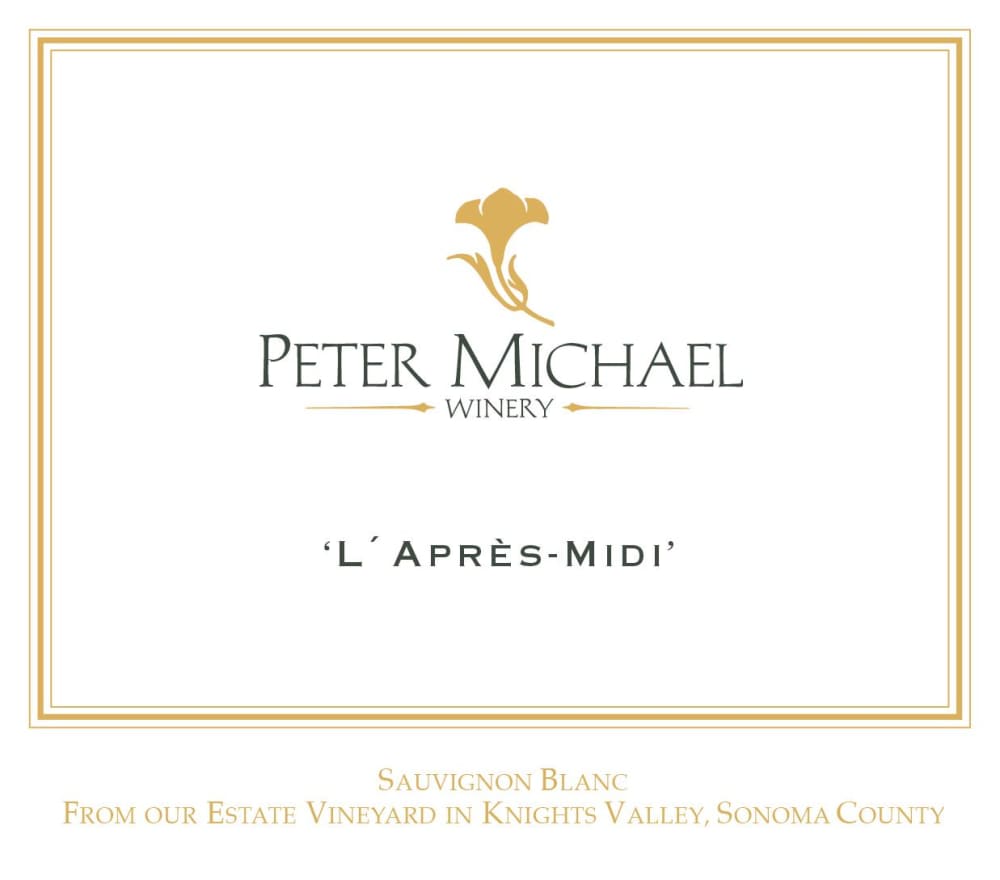

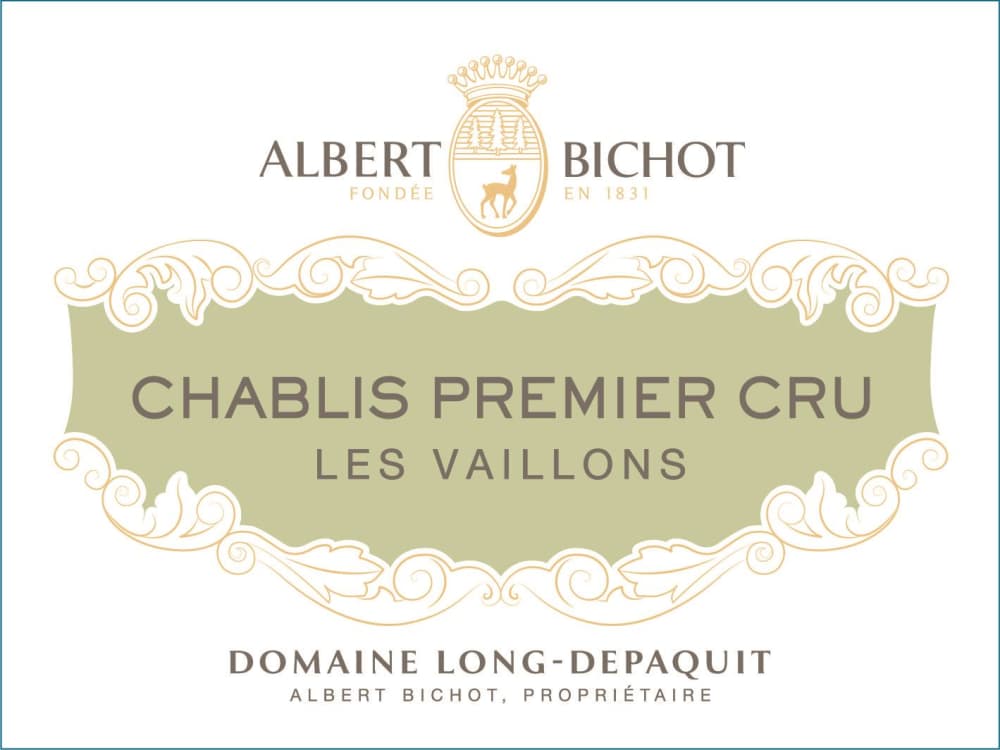
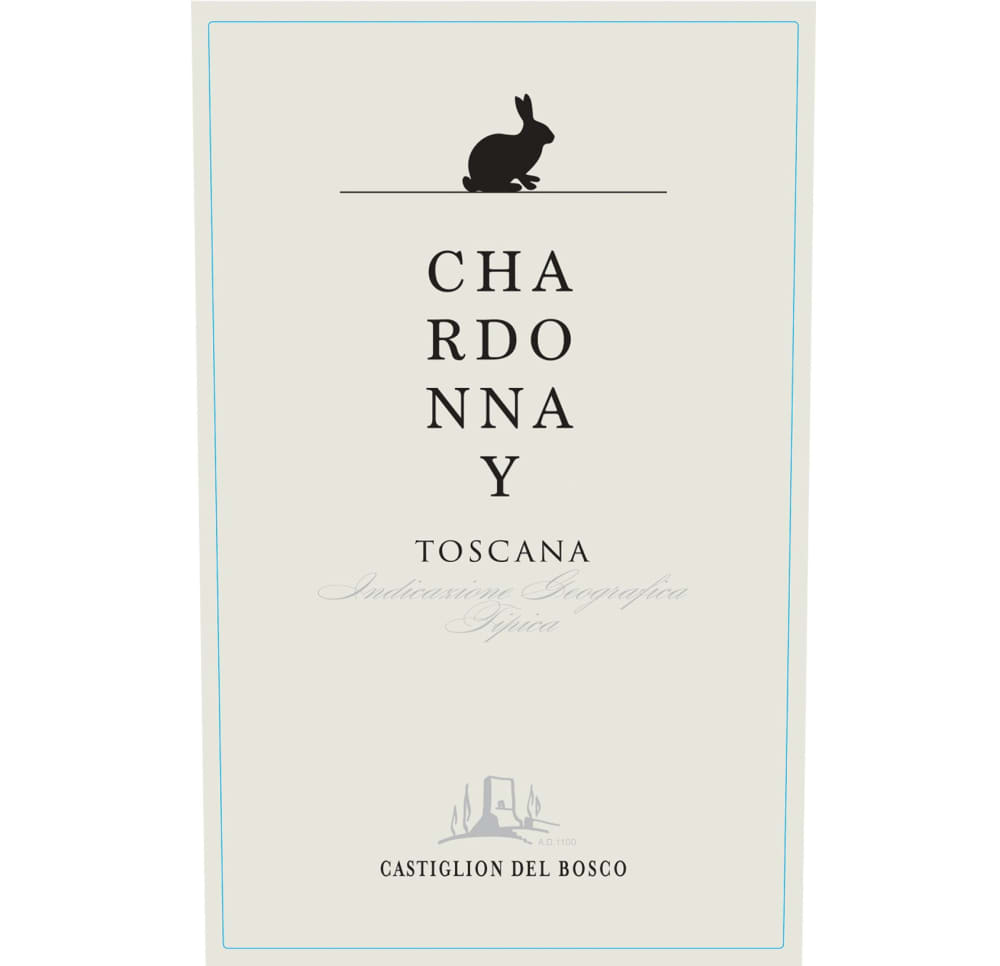
I’ve counted over a hundred unique styles and blends in pale varieties, each with its own characteristics. From the crisp and refreshing profiles of Sauvignon Blanc and Pinot Grigio to the richer textures of Chardonnay and Viognier, the options are vast. Each type showcases different flavor profiles influenced by region, climate, and vinification techniques.
Regions like Bordeaux and Burgundy in France, Napa Valley in the USA, and Marlborough in New Zealand contribute to a diverse selection. For instance, the terroir in these areas significantly impacts the taste and aroma of the varietals produced. A Sauvignon Blanc from New Zealand often exhibits vibrant citrus notes, while a French counterpart may lean towards herbaceous qualities.
Sampling various styles can enhance your palate. I recommend starting with a flight that includes a dry Riesling, an oaked Chardonnay, and a floral Gewürztraminer. This selection will provide a well-rounded experience of the spectrum available, helping you appreciate the nuances that each variety brings to the table.
Exploring the Variety of Light-Colored Grapes
Exploring over 1,300 unique grape varieties used for crafting light-colored beverages, I found a remarkable range worth sampling. Each type brings a distinct flavor profile and aroma, enhancing the tasting experience. Here are some notable grape varieties and their characteristics:
| Grape Variety | Flavor Profile | Origin |
|---|---|---|
| Sauvignon Blanc | Citrus, green apple, herbal notes | Loire Valley, France |
| Chardonnay | Apple, pear, buttery, oaky | Burgundy, France |
| Riesling | Peach, apricot, floral, mineral | Germany |
| Pinot Grigio | Lemon, lime, almond, light body | Italy |
| Gewürztraminer | Lychee, rose, spice, tropical fruits | Germany, Alsace, France |
Sampling different varieties can reveal unexpected flavors and aromas. Don’t hesitate to explore local selections as well, as many regions produce unique blends that showcase their terroir. A visit to a local vineyard or tasting room can provide insights into emerging grape types and innovative viticulture practices. Each sip offers a glimpse into the artistry behind the production of these exquisite beverages.
Exploring Major White Wine Varieties
I recommend trying Chardonnay for its versatility; it can be oaked or unoaked, presenting flavors from buttery and creamy to crisp and mineral. This grape thrives in various climates, making it a staple in many regions.
Sauvignon Blanc is another excellent choice, known for its high acidity and aromatic profile. Expect notes of citrus, green apple, and sometimes herbaceous undertones. It’s particularly refreshing, perfect for pairing with seafood or salads.
If you seek something aromatic, Riesling offers a delightful sweetness balanced by acidity. This varietal can range from bone dry to lusciously sweet, making it incredibly food-friendly, especially with spicy dishes or desserts.
Consider Pinot Grigio, which provides a lighter option, often showcasing bright citrus and pear flavors. Ideal for warm weather, it pairs well with light appetizers and seafood.
For a unique experience, try Gewürztraminer. Its pronounced floral and spice notes set it apart, making it a standout choice for pairing with Asian cuisine or rich cheeses.
Lastly, Viognier is worth exploring for its lushness and aromatic qualities. With peach, apricot, and floral notes, it complements dishes with creamy sauces or roasted poultry beautifully.
Understanding Regional Differences in White Wines
Exploring the geographical influences on the characteristics of lighter beverages reveals distinct profiles shaped by climate, soil, and winemaking traditions. Certain regions are known for their signature varietals, showcasing unique flavors and aromas.
Here are some notable regions and their contributions:
- Bordeaux, France: Renowned for Sauvignon Blanc and Sémillon blends, often exhibiting citrus and stone fruit notes, with a typical crispness.
- California, USA: Home to diverse expressions, particularly Chardonnay, ranging from buttery and oaky to lean and mineral-driven, influenced by various microclimates.
- Italy: Regions like Friuli-Venezia Giulia and Veneto produce Pinot Grigio and Soave, characterized by floral and fruity profiles, often with refreshing acidity.
- Germany: Known for Riesling, which can be bone dry or lusciously sweet, highlighting notes of apple, peach, and petrol, often found in cooler climates.
- New Zealand: Notable for Sauvignon Blanc, particularly from Marlborough, showcasing intense herbal and tropical fruit flavors, influenced by maritime conditions.
Understanding these regional distinctions allows for better pairing with cuisine and enhances the overall tasting experience. Exploring local varietals can lead to delightful discoveries that reflect their origins.