
 Chuck Furuya


I recommend allowing your chilled bottle of white varietal to breathe for about 30 to 60 minutes before serving. This time frame helps to enhance the aromatic profile and overall flavor experience. By letting the beverage interact with oxygen, you can elevate the subtle notes and complexity that often remain muted when served straight from the bottle.
For lighter styles, such as Sauvignon Blanc or Pinot Grigio, a shorter exposure of around 20 to 30 minutes is sufficient. These wines typically benefit from a quick aeration, which highlights their crispness and acidity without overwhelming their delicate characteristics. However, fuller-bodied options like Chardonnay may require a bit more time to fully express their richness and depth.
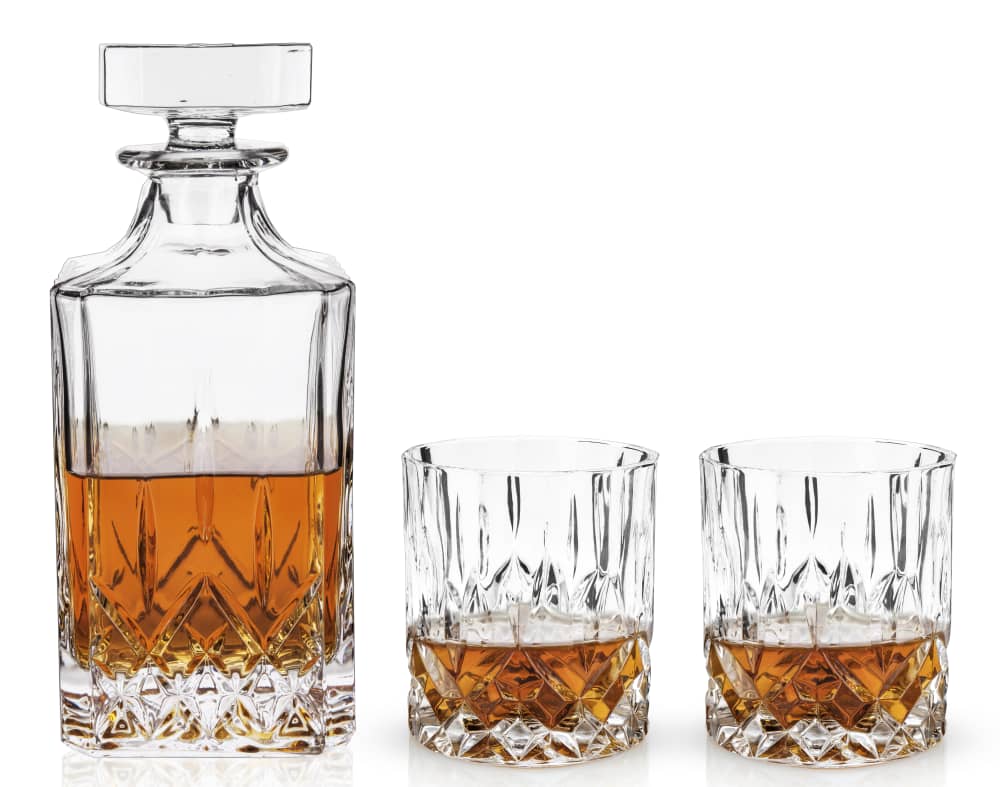
Using a decanter can facilitate this process, allowing the liquid to spread out and maximize its interaction with air. If you prefer to pour directly into glasses, consider swirling the drink gently to expedite the aeration. Regardless of your method, the goal remains the same: to unlock the potential of these delightful beverages and enhance your tasting experience.
Optimal Duration for Exposing Chilled Vino
For optimal results, I recommend exposing chilled vino for approximately 30 to 60 minutes. This timeframe allows the essence and nuances of the beverage to develop, enhancing the overall tasting experience.
Factors Influencing Exposure Time
Several elements can impact the necessary duration for exposure:
| Factor | Recommended Time Adjustment |
|---|---|
| Type of Grape | Shorter for lighter varieties; longer for fuller-bodied selections. |
| Serving Temperature | Warmer temperatures may require less exposure. |
| Age of the Beverage | Older selections typically need less time than younger ones. |
Practical Tips for Exposure
To enhance the experience further, consider using a decanter or a wide glass. This increases the surface area, promoting better interaction with the air. I find that gently swirling the glass can also encourage the release of aromatic compounds, enriching the overall profile of the drink.
Understanding the Importance of Aeration for White Wine
Allowing the beverage to breathe enhances its character and aromatic profile. A brief exposure to oxygen can significantly elevate the tasting experience, softening sharp edges and revealing hidden complexities in flavor. For many varieties, a period of 30 minutes to an hour can be beneficial, but this varies based on the specific type and age of the liquid.
Effects of Oxygen Exposure
Oxygen interaction can diminish harshness in younger vintages, while older bottles may require less time due to their more delicate nature. As I pour the liquid into a decanter or a wide glass, I notice how swirling it can introduce air more efficiently, promoting the release of volatile compounds that contribute to its bouquet.
Recognizing Optimal Moments
Fruity profiles often blossom with a few minutes of exposure, while those with oak influence may need a bit longer for the wood characteristics to integrate harmoniously. Experimenting with different durations allows me to discover the ideal balance for each specific bottle, bringing forth the fullest expression of its unique qualities.
Optimal Time Frames for Different Types of White Wine
For crisp and refreshing varieties like Sauvignon Blanc, I recommend exposing the liquid to oxygen for about 15 to 30 minutes. This brief period enhances its bright acidity and vibrant fruit notes.
In the case of a Chardonnay, particularly those that are oaked, a longer exposure of 30 to 60 minutes can help mellow out the buttery undertones and integrate the oak characteristics, creating a more harmonious flavor profile.
For aromatic types such as Gewürztraminer or Riesling, around 20 to 40 minutes is ideal. This allows the floral and fruity aromas to blossom, making the tasting experience more enjoyable.
If I’m enjoying a richer, full-bodied varietal like Viognier, I find that 30 to 45 minutes of aeration reveals its complexity and softens its texture, resulting in a smoother sip.
Finally, for sparkling options like Prosecco or Champagne, I typically avoid prolonged exposure, as even a few minutes can alter the effervescence. Instead, I prefer to savor these immediately after pouring.
How to Properly Aerate White Wine at Home
To enhance the flavors of your chilled beverage, I recommend using a few simple techniques for optimal exposure to oxygen. Here are effective methods to achieve the best results:
Decanting Method
- Pour the liquid into a decanter, allowing it to spread out and increase surface area.
- Let it sit for 20 to 30 minutes to develop its bouquet.
Swirling Technique
- In a glass, gently swirl the liquid to promote interaction with the air.
- Take a moment to appreciate the evolving aromas as you swirl.
For quick exposure, consider using a specialized aerator that enhances the process. Pouring through this device can significantly improve the experience.
Remember to serve it at the right temperature. Keeping the drink chilled while allowing it to breathe will ensure the flavors remain crisp and refreshing.
Signs Your Beverage Needs More Exposure
To determine if your chilled drink requires additional exposure, observe the aroma. If it lacks intensity or complexity, letting it breathe can enhance its fragrance. A flat scent indicates that it hasn’t yet opened up to its full potential.
Taste is another indicator. If the flavors feel muted or disjointed, allowing the liquid to interact with oxygen can help harmonize them, revealing layers that were previously hidden.
Watch for a sharp acidity. If the acidity stands out excessively, further exposure can soften those edges, creating a smoother mouthfeel. A well-rounded experience should feel balanced, without any single element overwhelming the palate.
Check the texture. If it seems thin or lacks richness, additional time in a decanter or glass can help develop a fuller body. A more substantial mouthfeel often indicates that the drink has benefited from its time spent in contact with air.
Finally, consider the temperature. If it feels overly cold, allowing it to warm slightly can facilitate a better interaction with oxygen, enhancing aromas and flavors. A slight increase in temperature can make a significant difference in the overall experience.
FAQ:
How long should I air white wine before serving it?
The ideal time to air white wine depends on the type. Generally, lighter white wines like Sauvignon Blanc benefit from around 15 to 30 minutes of aeration, while fuller-bodied whites like Chardonnay can be aerated for 30 to 60 minutes. This allows the wine to open up, enhancing its aromas and flavors.
What are the benefits of aerating white wine?
Aerating white wine can significantly improve its taste and aroma. Exposure to air helps to release volatile compounds, which can soften harsh notes and bring out more nuanced flavors. This process can make a wine feel smoother and more balanced, providing a more enjoyable drinking experience.
Do all white wines need to be aired before drinking?
Not all white wines require aeration. Lighter, fresher whites are often best enjoyed straight from the bottle. However, fuller-bodied and oak-aged whites can benefit from aeration. It’s a good idea to taste the wine first and then decide if it needs some time to breathe.
Can I use a decanter to air white wine? How does that work?
Yes, using a decanter is an excellent way to aerate white wine. Pouring the wine into a decanter increases its surface area, allowing it to interact with more air. This can speed up the aeration process. Just remember to pour gently to avoid excessive splashing, which can lead to unwanted oxidation.
Are there any specific techniques to aerate white wine effectively?
Besides using a decanter, you can aerate white wine by swirling it gently in your glass. This motion introduces air into the wine, promoting oxidation. Another method is to pour the wine from a height into a glass, which allows for maximum aeration as it hits the glass. Experiment with these techniques to find what works best for you.
How long should I air white wine before serving it?
The ideal time to aerate white wine can vary depending on the type and age of the wine. Generally, allowing white wine to breathe for about 15 to 30 minutes is sufficient. For more robust white wines, such as those with oak aging, a longer aeration period of up to an hour can enhance their flavors and aromas. It’s always best to taste the wine at intervals to find the perfect balance.
What are the benefits of letting white wine breathe?
Airing white wine can significantly improve its taste and aroma. When wine is exposed to air, it allows volatile compounds to evaporate, which can reduce harshness and enhance the overall bouquet. This process can soften the wine’s tannins and bring out fruity or floral notes that may be more subdued when the wine is freshly opened. The result is a more enjoyable tasting experience.
Does the type of white wine affect how long it should be aerated?
Yes, the type of white wine plays a crucial role in determining the aeration time. Lighter wines, such as Sauvignon Blanc or Pinot Grigio, generally need less time to breathe, around 15 to 20 minutes. In contrast, fuller-bodied whites like Chardonnay or Viognier, especially those that have undergone oak aging, can benefit from longer aeration, sometimes up to an hour. It’s also helpful to consider the wine’s age; younger wines often require more aeration than older ones.
What is the best way to aerate white wine?
There are several methods to aerate white wine effectively. One simple way is to pour the wine into a decanter, which increases the surface area exposed to air. Swirling the wine in the glass can also help with aeration. Additionally, some wine enthusiasts use aerators that are designed to mix air with the wine as it is poured. Choose the method that suits you best, and remember to taste the wine periodically to see how its flavors evolve with aeration.


