
 Chuck Furuya

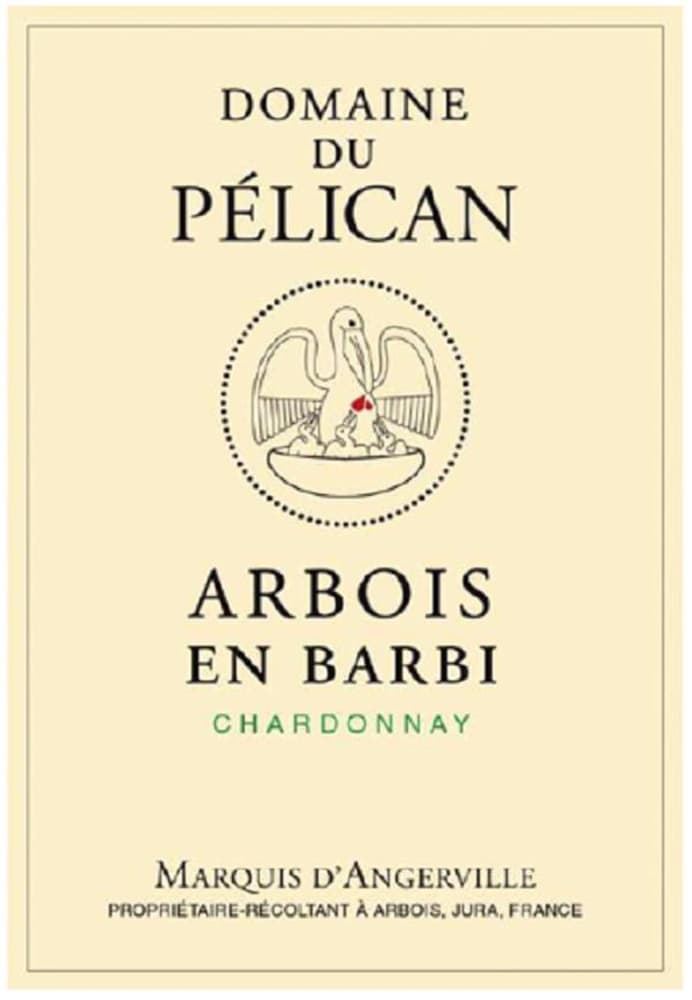
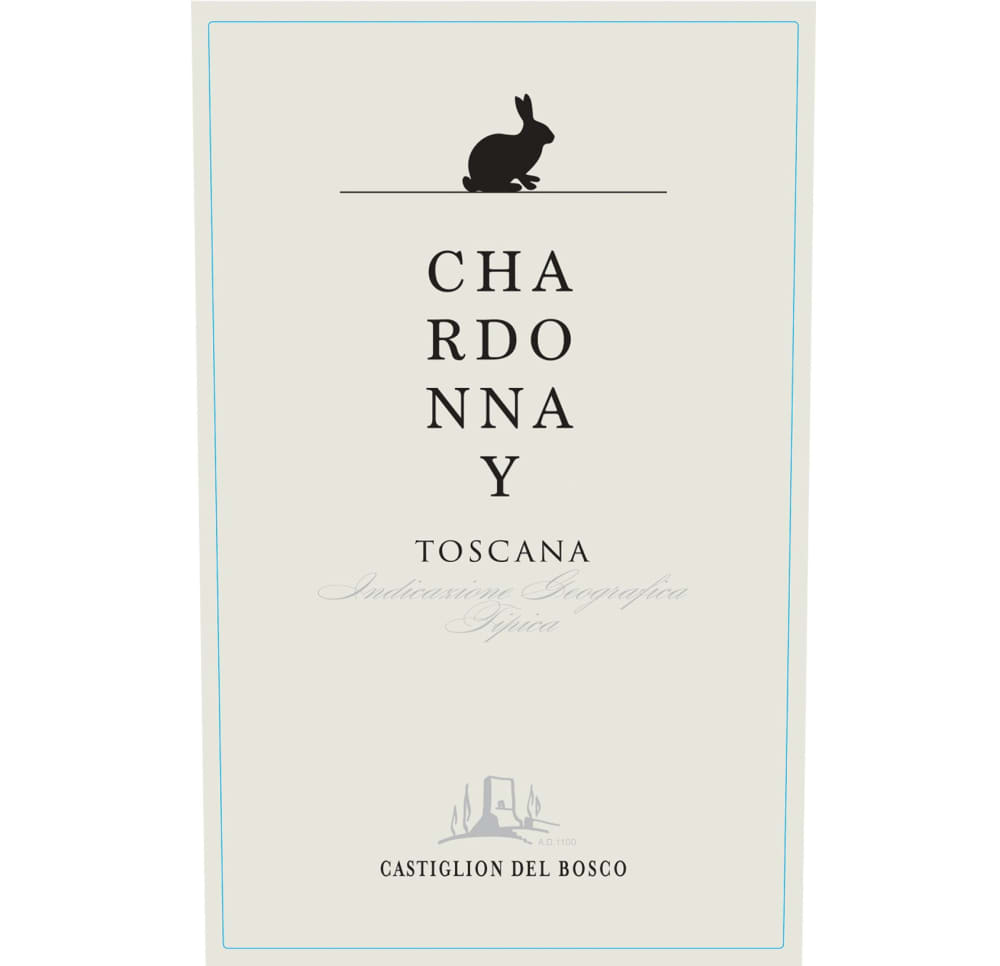

When selecting a rich and robust white, focus on varieties such as Chardonnay, Viognier, or Roussanne. These grapes typically offer a lush mouthfeel, often accompanied by flavors of ripe fruits, cream, and spice. If you prefer a buttery texture, opt for Chardonnays that undergo malolactic fermentation, which enhances the wine’s smoothness.
Pairing suggestions for these wines include creamy pasta dishes, roasted poultry, or even rich seafood like lobster. The opulence of these selections complements the texture and flavor profile beautifully. For an elevated experience, consider serving them at a slightly warmer temperature, around 50-55°F, to fully appreciate their aromatic complexity.
Exploring the world of rich whites can be a rewarding experience. Look for options aged in oak barrels, as this process contributes to the depth and character, often introducing notes of vanilla and toast. Embrace the opportunity to taste different regions, as terroir can significantly influence the final product, offering a unique twist to each glass.
Understanding Rich White Varietals
When I savor a rich varietal, I notice its pronounced taste and creamy texture. These wines often exhibit a higher alcohol content, contributing to their weight on the palate. They tend to be aged in oak barrels, which imparts flavors of vanilla, toast, and butter, enhancing their complexity.
Common grape varieties that fall into this category include Chardonnay, Viognier, and Roussanne. Each offers unique characteristics; for example, Chardonnays from warmer climates often have tropical fruit notes, while those from cooler regions display crisp apple and citrus flavors.
Pairing these wines requires consideration. Dishes with rich sauces, creamy pasta, or roasted poultry complement their depth. The robust nature of these varietals can stand up to bold flavors without being overshadowed.
For those exploring this style, I recommend trying a barrel-aged Chardonnay from Napa Valley or a Viognier from the Rhône Valley. Both exemplify the richness and complexity that define this category.
Characteristics of Full Bodied White Wine
Expect rich flavors and a creamy texture from this type of beverage. The palate often reveals notes of ripe fruits like peach, apricot, or tropical varieties, complemented by a buttery finish. The presence of oak aging enhances complexity, introducing hints of vanilla, toast, or spice.
Alcohol Content
A higher alcohol level, generally between 13.5% to 15%, contributes to the weight and mouthfeel. This intensity balances well with the fruitiness, creating a harmonious experience.
Acidity and Aging Potential
Lower acidity distinguishes these selections, yet they can still offer a refreshing quality. The aging potential is significant, allowing for development of deeper flavors and aromas over time. Consider cellaring these choices for improved richness and complexity in the future.
Food pairings thrive with dishes like creamy risottos, grilled seafood, or roasted poultry, highlighting the wine’s robust character and enhancing the overall dining experience.
Common Grape Varieties for Full Bodied White Wines
Chardonnay stands out as a top choice, renowned for its rich texture and ability to transform based on terroir. This grape offers flavors ranging from tropical fruits to buttery notes, often enhanced by oak aging.
Sémillon is another significant variety, often blended with Sauvignon Blanc. It provides a waxy, honeyed profile, particularly when aged, contributing to the lush mouthfeel characteristic of these wines.
Viognier has gained popularity for its aromatic qualities and creamy body. Its floral and stone fruit notes pair well with richness, making it a great option for those seeking a fuller experience.
Roussanne, frequently used in blends, adds complexity with its herbal and nutty nuances. It brings a weighty feel, enhancing the overall structure of the final product.
Fiano, an Italian gem, showcases a unique profile that combines citrus, floral, and nutty elements. Its natural richness makes it a delightful choice for those who appreciate depth in their glass.
Lastly, Pinot Gris, particularly from Alsace, exhibits substantial body and texture, offering pear and spice notes that create a satisfying drinking experience.
- Chardonnay
- Sémillon
- Viognier
- Roussanne
- Fiano
- Pinot Gris
Exploring these grape varieties can lead to an enjoyable selection, each with its unique characteristics that enhance the richness and complexity of the experience.
How to Identify Full Bodied White Wines
To pinpoint a rich and robust white beverage, focus on several key aspects:
- Aroma: Look for intense fragrances, often featuring notes of tropical fruits, butter, or vanilla. These scents typically indicate a weightier texture.
- Flavor Profile: Expect a pronounced taste with layers of complexity. Flavors may include ripe stone fruits, citrus, and hints of oak. The palate should feel round and creamy.
- Acidity: Lower acidity levels contribute to a smoother mouthfeel. While some acidity is necessary for balance, excessive sharpness is usually absent in these varieties.
- Alcohol Content: Higher alcohol levels, usually around 13.5% or more, are common. This can enhance the perception of fullness.
- Body: A heavier mouthfeel is a hallmark. When tasting, if the liquid feels weighty and coats the palate, it’s likely to be a fuller style.
Pay attention to these characteristics in your next tasting session. You might find that wines like Chardonnay, Viognier, or certain styles of Sauvignon Blanc exhibit these traits prominently.
When sampling, take notes on the sensations and flavors you experience. This practice will hone your ability to identify and appreciate robust white selections in the future.
FAQ:
What characteristics define a full-bodied white wine?
A full-bodied white wine is characterized by its rich and robust flavor profile, which often includes a higher alcohol content and more intense fruit flavors. These wines typically have a creamy texture and may exhibit notes of oak, butter, or vanilla, resulting from aging in oak barrels. The combination of these elements creates a wine that has a weighty mouthfeel and a lingering finish, making it more complex compared to lighter white wines.
How does the winemaking process influence whether a white wine is full-bodied?
The winemaking process plays a significant role in determining the body of a white wine. Techniques such as malolactic fermentation, where sharp malic acid is converted into softer lactic acid, can add creaminess and roundness to the wine. Additionally, aging in oak barrels can impart flavors and aromas that contribute to a fuller body. The choice of grape variety also matters; certain grapes, like Chardonnay, are more likely to produce full-bodied wines due to their inherent characteristics.
Can you recommend some grape varieties that are typically used to produce full-bodied white wines?
Certainly! Some of the most common grape varieties known for producing full-bodied white wines include Chardonnay, Viognier, and Roussanne. Chardonnay, particularly when aged in oak, is famous for its creamy texture and rich flavors. Viognier often has aromatic notes of stone fruits and floral elements, contributing to its fullness. Roussanne is another variety that can produce rich and complex wines with herbal and honeyed undertones.
What food pairings work best with full-bodied white wines?
Full-bodied white wines pair well with a variety of dishes, especially those that are rich in flavor. They complement creamy sauces, grilled chicken, lobster, and dishes with buttery or nutty elements. Additionally, these wines can enhance the flavors of roasted vegetables and seafood with a rich preparation. The key is to match the weight of the wine with the richness of the food for a harmonious dining experience.
How can I identify a full-bodied white wine when shopping or tasting?
When identifying a full-bodied white wine, consider the wine’s aroma, taste, and mouthfeel. Look for wines with pronounced fruit flavors and a creamy or oily texture. A higher alcohol content, typically above 13.5%, can also indicate a fuller body. Additionally, if the wine has been aged in oak, you may detect notes of vanilla or toast, which are common in full-bodied styles. Tasting and smelling the wine will give you a better understanding of its character and body.
What does “full-bodied” mean in the context of white wine?
“Full-bodied” refers to the weight and richness of the wine on the palate. A full-bodied white wine typically has a higher alcohol content, a creamy texture, and complex flavors that can include notes of ripe fruits, butter, and oak. This type of wine feels substantial in the mouth, making it a popular choice for pairing with rich dishes such as creamy pastas or grilled meats.
How can I identify a full-bodied white wine when shopping?
When looking for full-bodied white wines, check the labels for descriptors like “oaked” or “malolactic fermentation,” which can indicate a creamier texture. Grapes such as Chardonnay, Viognier, and Roussanne are often associated with full-bodied wines. Additionally, higher alcohol content—usually above 13%—can be a sign of a fuller body. Reading reviews or asking staff at a wine shop can also help you find wines that fit this profile.
Can you recommend some food pairings for full-bodied white wines?
Full-bodied white wines pair excellently with richer foods. For instance, a buttery Chardonnay complements lobster or creamy sauces beautifully. Viognier goes well with spicy dishes, such as Thai curry, while a full-bodied Sauvignon Blanc pairs nicely with grilled chicken or pork. The key is to match the weight of the wine with the richness of the food to create a balanced dining experience.




