Chuck Furuya


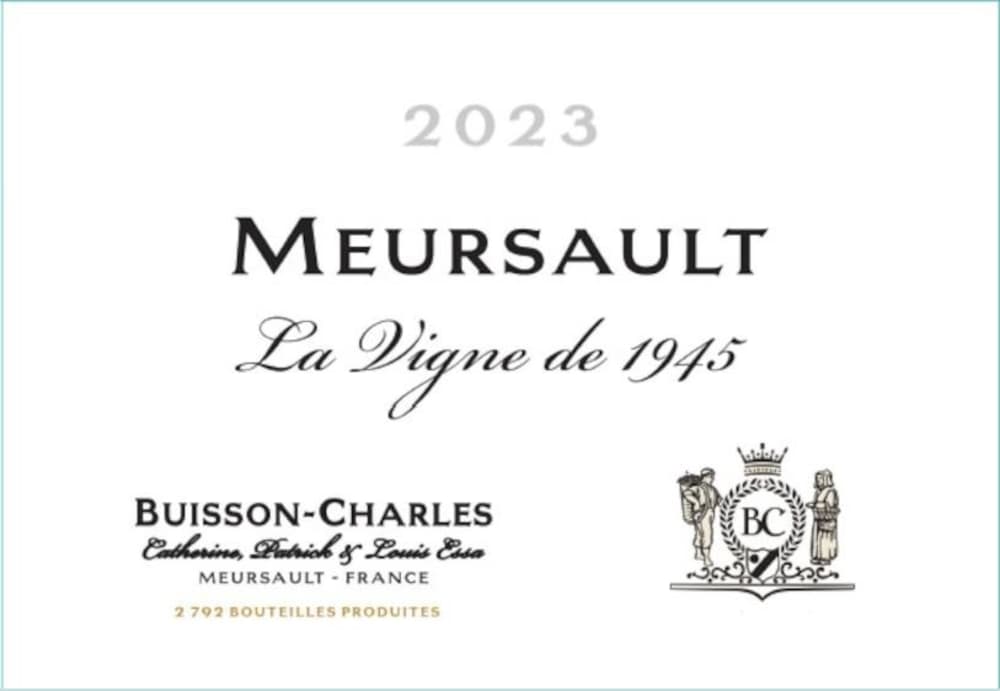
Chardonnay from Burgundy’s Côte de Beaune consistently impresses with its balance of richness and acidity. A bottle of Meursault or Puligny-Montrachet offers layers of flavor, including notes of citrus, stone fruits, and subtle oak. This region’s climate and terroir contribute to the complexity that wine enthusiasts cherish.
For a refreshing alternative, consider Sauvignon Blanc from New Zealand’s Marlborough region. The vibrant acidity and pronounced fruitiness, with hints of gooseberry and passion fruit, create an invigorating experience. These offerings are particularly delightful when paired with seafood or salads.
If you seek something with a unique twist, try a Grüner Veltliner from Austria. This varietal often showcases peppery notes and a crisp finish, making it a versatile companion for various dishes. Look for ones from the Wachau region to truly appreciate the minerality and depth.
Top Chardonnay Selections for Every Palate
For a rich and buttery experience, I recommend the Rombauer Vineyards Chardonnay from Napa Valley. Its luscious texture and notes of vanilla and tropical fruits make it a favorite for those who enjoy a fuller-bodied option.
If you prefer a crisper, more mineral-driven choice, try the Chablis from Domaine William Fèvre. This French gem offers bright acidity, with flavors of green apple and flint, perfect for seafood pairings.
For something with a bit of oak influence while still maintaining freshness, the Sonoma-Cutrer Russian River Ranches Chardonnay is a solid pick. It balances creamy notes of ripe pear and citrus with a hint of toasty oak.
Fans of a more fruit-forward style will appreciate the Cakebread Cellars Chardonnay. Bursting with flavors of peach and apricot, this wine delivers a refreshing finish that pleases the palate.
Looking for a unique twist? The Kistler Vineyards Chardonnay showcases a combination of new and old-world techniques, resulting in a complex wine with layers of citrus, stone fruit, and a touch of spice.
To experience a well-structured and elegant option, consider the Stag’s Leap Wine Cellars Chardonnay. Its balanced acidity and flavors of lemon zest and honey make it versatile for various dishes.
Understanding the Unique Profiles of Sauvignon Blanc
If you’re seeking a refreshing option, Sauvignon Blanc excels with its crisp acidity and vibrant fruit flavors. Notable regions producing exceptional bottles include Marlborough in New Zealand, the Loire Valley in France, and California’s Napa Valley. Each area contributes distinct characteristics.
Marlborough Sauvignon Blanc
This region is renowned for its pronounced citrus notes, particularly grapefruit and lime. The cool climate enhances the wine’s zesty profile, often accompanied by hints of green bell pepper and fresh herbs. A recommended label is Cloudy Bay Sauvignon Blanc, which showcases these traits beautifully.
Loire Valley Sauvignon Blanc
In the Loire Valley, expect more mineral-driven expressions, with a focus on flint and stone. Sancerre and Pouilly-Fumé are standout appellations here. A classic choice is Domaine Vacheron Sancerre, which offers an elegant balance of fruit and minerality, complemented by a refreshing finish.
| Region | Flavor Profile | Recommended Label |
|---|---|---|
| Marlborough | Citrus, green bell pepper, herbs | Cloudy Bay Sauvignon Blanc |
| Loire Valley | Mineral, flint, stone fruits | Domaine Vacheron Sancerre |
| Napa Valley | Tropical fruits, melon, floral | St. Supery Estate Sauvignon Blanc |
California’s Napa Valley brings a different profile, emphasizing tropical fruits like pineapple and melon. St. Supery Estate Sauvignon Blanc exemplifies this style, offering a luscious mouthfeel while maintaining a crisp finish.
Exploring Sauvignon Blanc reveals a spectrum of flavors and styles, making it a versatile choice for various occasions. Whether you prefer the zesty Marlborough or the mineral depth of Loire Valley, there’s a perfect bottle waiting to be discovered.
Exploring the Richness of Riesling Varietals
For a captivating experience, I recommend trying a Mosel Riesling. These wines showcase a beautiful balance of sweetness and acidity, often with notes of green apple, pear, and hints of minerality. Look for producers like Dr. Loosen or Joh. Jos. Prüm; their offerings are consistently exceptional.
Riesling from Alsace
Alsace Rieslings present a drier profile, with floral aromas and flavors of citrus and stone fruits. The wines from producers such as Domaine Zind-Humbrecht and Trimbach are remarkable choices. They pair beautifully with seafood or Asian cuisine, enhancing the dining experience.
Australian Rieslings
Australian Rieslings, particularly from the Clare Valley and Eden Valley, are known for their crisp acidity and vibrant citrus characters. Explore options from wineries like Pewsey Vale or Grosset; these selections often reflect a unique terroir and are perfect for warm-weather sipping.
Best Regions for Quality Pinot Grigio
For exceptional Pinot Grigio, I recommend focusing on a few key areas known for their distinctive terroirs.
1. Friuli Venezia Giulia, Italy
This northeastern region excels in producing crisp and mineral-driven Pinot Grigio. The cool climate and diverse soils contribute to the wine’s bright acidity and complex flavor profile.
- Look for producers like Jermann and Livio Felluga.
- Expect aromas of pear, apple, and floral notes, complemented by a refreshing finish.
2. Alto Adige, Italy
Another Italian gem, Alto Adige offers high-altitude vineyards that benefit from warm days and cool nights. This climate allows the grapes to ripen slowly, enhancing their aromatic complexity.
- Check out wines from producers like Elena Walch and Franz Haas.
- The resulting wines often showcase citrus, stone fruit, and a pronounced minerality.
3. Oregon, USA
Oregon’s Willamette Valley has gained recognition for high-quality Pinot Grigio. The cooler climate and volcanic soils help create vibrant and expressive wines.
- Producers such as King Estate and A to Z Wineworks are worth exploring.
- These wines typically exhibit flavors of melon, peach, and subtle spice.
4. New Zealand
In New Zealand, particularly in regions like Marlborough, the cool climate yields bright and juicy Pinot Grigio. The unique growing conditions lead to wines with great fruit intensity and balance.
- Look for offerings from Cloudy Bay and Brancott Estate.
- Expect vibrant notes of tropical fruits, citrus, and a hint of floral undertones.
These regions consistently produce remarkable Pinot Grigio, each with its unique characteristics. Choosing wines from these areas guarantees a delightful experience for any palate.
Food Pairing Tips for Popular White Wines
Pairing Chardonnay with buttery lobster or rich creamy sauces enhances the wine’s texture and depth. A crisp Sauvignon Blanc complements fresh seafood like oysters or grilled shrimp, accentuating its zesty character. Riesling, especially off-dry varieties, perfectly balances spicy Asian dishes, such as Thai green curry or Szechuan stir-fry. Pinot Grigio shines alongside light dishes, including salads with citrus vinaigrette or grilled vegetables, highlighting its refreshing qualities.
Chardonnay and Seafood
For oaked Chardonnay, consider pairing it with seared scallops or roasted chicken. The wine’s buttery notes harmonize with the dish’s richness. Unwooded versions work well with sushi or ceviche, where the wine’s acidity cuts through the dish’s freshness.
Sauvignon Blanc and Salads
With Sauvignon Blanc, try goat cheese salad or light pasta dishes with lemon sauce. The wine’s herbal notes enhance the greens, while its acidity brightens the flavors. Pairing with grilled asparagus or artichokes brings out the wine’s grassy and citrus undertones.
How to Properly Store and Serve White Wines
To preserve the integrity of these beverages, maintaining optimal storage conditions is paramount. Ideal temperatures range from 45°F to 55°F (7°C to 13°C). A dedicated wine fridge or a cool cellar will help keep the temperature stable.
Humidity levels should hover around 70% to prevent corks from drying out and allowing air to seep into the bottle. A hygrometer can assist in monitoring this aspect.
Light exposure can alter the taste and quality, so store bottles in a dark place or in boxes. UV rays can degrade flavors, making a dark cabinet or wine rack preferable.
Position bottles horizontally to keep the cork moist, which helps prevent air from entering. This orientation is especially important for wines sealed with corks.
When it’s time to serve, the right glassware enhances the experience. Choose a tulip-shaped glass for aromatic varietals like Sauvignon Blanc, allowing the bouquet to concentrate. For fuller-bodied selections, a wider glass helps to aerate the wine.
Chill the selection appropriately; lighter varieties benefit from being served at 45°F to 50°F (7°C to 10°C), while richer types can be served slightly warmer, around 50°F to 55°F (10°C to 13°C).
Pour only a third of the glass to allow for swirling and to enhance the aroma. This practice also prevents spills and allows the drinker to fully enjoy the fragrance.
For sparkling options, ensure the bottle is well-chilled, ideally around 40°F (4°C). Use a proper flute to showcase the bubbles and maintain effervescence.
Incorporating these methods will elevate the tasting experience, ensuring each sip is enjoyed to its fullest potential.