Chuck Furuya


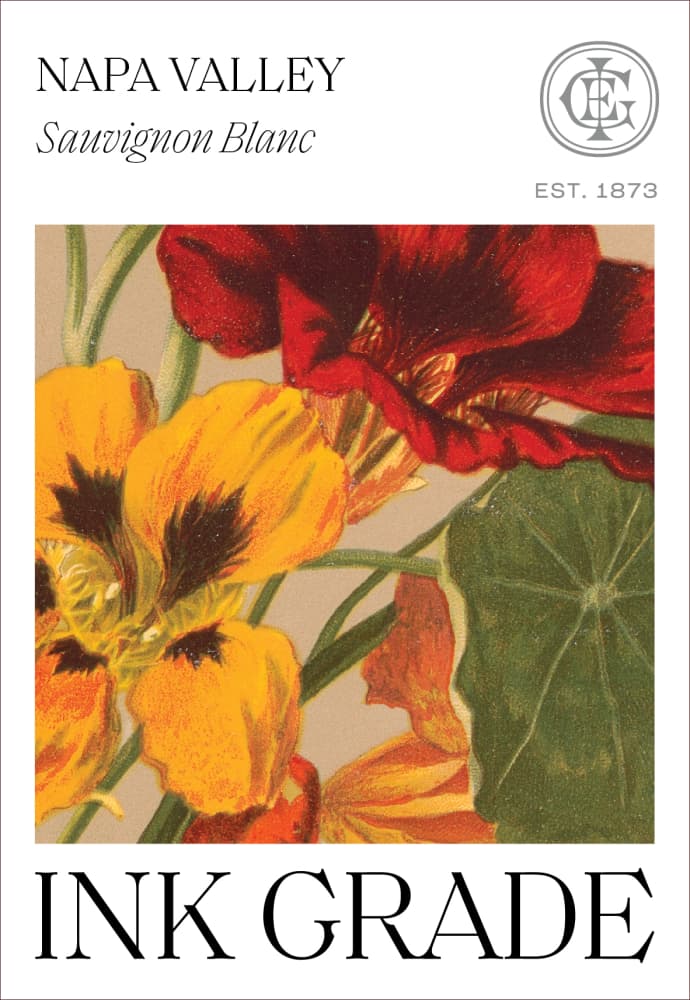

For those aiming to expand their palate, I highly recommend trying Sauvignon Blanc. This refreshing choice is known for its crisp acidity and citrus notes, making it a perfect companion for seafood dishes.
If you prefer something with a touch of sweetness, consider Riesling. It offers a range from dry to sweet, with floral aromas and stone fruit flavors that pair wonderfully with spicy cuisine.
Chardonnay is another versatile option, showcasing a spectrum from oaky and buttery to clean and mineral-driven. This grape adapts well to various styles, making it suitable for pairing with creamy pasta or grilled chicken.
For a unique experience, look into Grüner Veltliner. This Austrian variety is celebrated for its peppery notes and food-friendly acidity, making it an excellent match for Asian dishes or salads.
Lastly, don’t overlook Pinot Grigio. Its light body and crisp finish make it an excellent choice for warm weather, pairing beautifully with light appetizers and fresh salads.
Understanding the Major White Wine Varietals
Chardonnay is a staple in my collection, known for its versatility. Ranging from crisp and clean to rich and buttery, its flavor profile can include notes of green apple, pear, and tropical fruits, often complemented by oak aging that adds vanilla and spice. I recommend trying a Chablis for a mineral-driven expression or a California version for something more opulent.
Sauvignon Blanc captures my attention with its vibrant acidity and aromatic qualities. The citrus and herbaceous notes, particularly in New Zealand variants, make it refreshing. Pair it with seafood or goat cheese for a delightful match.
Riesling
Riesling stands out due to its aromatic complexity. It can range from bone-dry to lusciously sweet. I find German Rieslings, especially from the Mosel region, to offer an exquisite balance of sweetness and acidity, perfect with spicy Asian cuisine.
Pinot Grigio
Pinot Grigio, often light and zesty, is a go-to for casual sipping. Italian expressions are particularly crisp, showcasing notes of citrus and stone fruits. I enjoy it chilled on a warm day or paired with light pasta dishes.
- Chardonnay: Varies from crisp to buttery.
- Sauvignon Blanc: Bright acidity with citrus and herbal notes.
- Riesling: Aromatic, ranging from dry to sweet.
- Pinot Grigio: Light, zesty, perfect for casual enjoyment.
Exploring these varietals opens a world of flavors and food pairings, enhancing any gathering or meal.
Exploring Regional Differences in Production
Each region brings unique characteristics to its creations, influenced by climate, soil, and local traditions. For example, the Loire Valley in France is renowned for its crisp varietals, particularly Sauvignon Blanc. Meanwhile, the warm climate of California’s Napa Valley yields richer, fuller-bodied options, often crafted from Chardonnay grapes.
Notable Regions and Their Signature Styles
When considering various locales, here’s a breakdown of some prominent areas and their specialties:
| Region | Signature Grape Variety | Typical Flavor Profile |
|---|---|---|
| Loire Valley, France | Sauvignon Blanc | Crisp, citrus, herbal notes |
| Napa Valley, USA | Chardonnay | Rich, buttery, tropical fruits |
| Alsace, France | Riesling | Floral, stone fruits, minerality |
| New Zealand | Sauvignon Blanc | Gooseberry, passionfruit, zesty acidity |
| Italy | Pinot Grigio | Crisp, green apple, light-bodied |
Influential Factors on Flavor and Character
Climate greatly impacts the taste profile. Cooler regions tend to produce more acidic and refreshing beverages, while warmer areas yield fruits that are riper and fuller in flavor. Soil types also contribute significantly; for instance, volcanic soils often impart distinct mineral qualities to the finished product. Additionally, local winemaking techniques and aging practices further shape the final output.
Exploring these regional differences enhances appreciation and understanding of diverse styles available. Each sip reflects not only the grape but also the environment and culture surrounding its creation.
Pairing White Wines with Food: Best Combinations
Chardonnay complements roasted chicken beautifully. The buttery texture of oaked Chardonnay enhances the dish’s richness, balancing flavors seamlessly.
Sauvignon Blanc and Seafood
Sauvignon Blanc shines with fresh seafood. Its crisp acidity cuts through the richness of dishes like grilled fish or shrimp tacos, making each bite refreshing.
Riesling with Spicy Cuisine
Riesling, especially the off-dry varieties, pairs excellently with spicy Asian dishes. The sweetness of the wine offsets heat, creating a harmonious experience.
For lighter salads, Pinot Grigio offers a refreshing choice. Its zesty notes enhance the freshness of greens and vinaigrettes, making it an ideal companion.
For creamy pastas, consider a Viognier. Its floral and stone fruit aromas complement the richness of sauces, enhancing the overall dining experience.
How to Choose the Right White Wine for Different Occasions
For a summer picnic, I recommend a chilled Sauvignon Blanc. Its refreshing citrus notes and crisp acidity complement outdoor fare like salads and grilled vegetables perfectly.
At formal dinners, a rich Chardonnay pairs well with creamy dishes. Opt for a barrel-aged version to enhance the flavor profile, making it ideal for seafood or buttery pastas.
When hosting a casual gathering, a light and fruity Pinot Grigio suits the relaxed atmosphere. This choice works nicely with appetizers like bruschetta or cheese platters.
For a romantic evening, a delicate Riesling adds a touch of sweetness. It harmonizes beautifully with spicy cuisine, such as Thai or Indian dishes, creating a delightful contrast.
If attending a celebration, consider a sparkling option like Prosecco. Its effervescence adds a festive touch, making it perfect for toasting or pairing with light hors d’oeuvres.
During colder months, a fuller-bodied white, such as Viognier, provides warmth and richness. It complements roasted poultry or creamy soups, enhancing the dining experience.
For outdoor barbecues, I find that a bright Grüner Veltliner stands out. Its herbal notes and zingy acidity make it a great match for grilled fish or chicken.
When exploring local options, I often choose a regional varietal that reflects the area’s terroir. This adds a unique touch to the occasion and supports local producers.