Chuck Furuya
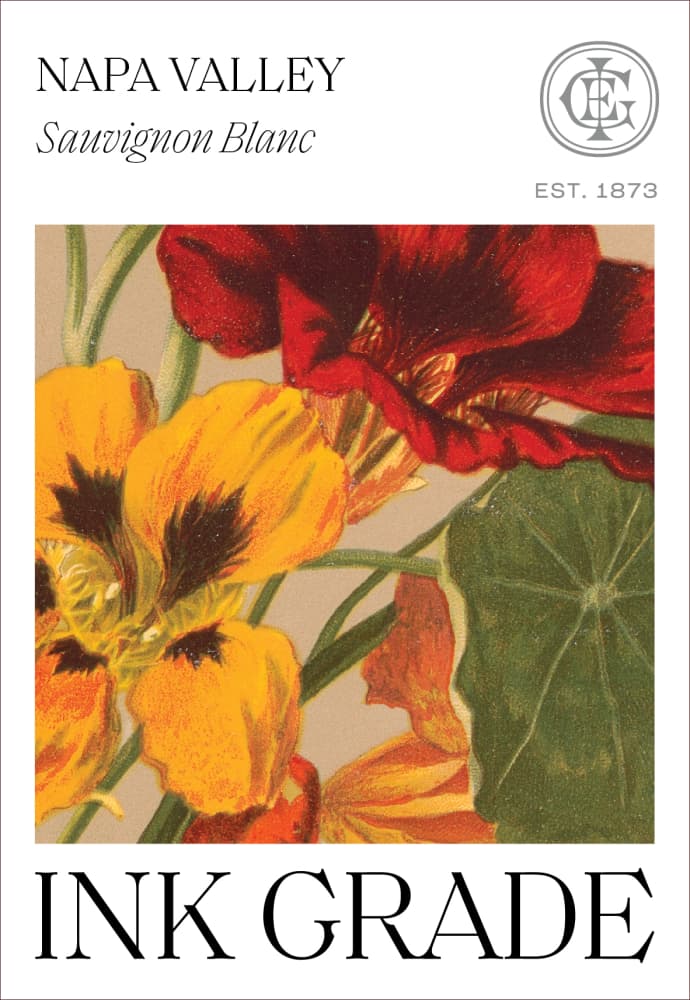
For a delightful and refreshing concoction, I recommend using a dry or semi-dry varietal like Sauvignon Blanc or Pinot Grigio. These selections offer crisp acidity and bright fruit flavors that harmonize beautifully with the additional ingredients.
When selecting the perfect bottle, consider a Sauvignon Blanc from the Marlborough region of New Zealand for its zesty lime and green apple notes. Alternatively, an Italian Pinot Grigio provides a light and fruity profile, ideal for balancing the sweetness of fruits added to the mix.

Another great option is a Spanish Albariño. This grape varietal brings a touch of salinity and stone fruit characteristics, enhancing the overall flavor profile while complementing citrus and berries. Selecting a wine with a lower alcohol content can also keep the drink refreshingly light.
Choosing the Right Type of White Wine for Sangria
For a refreshing blend, I recommend using a dry, crisp option like Sauvignon Blanc. This choice adds a zesty character that complements the fruity elements perfectly.
Here are some additional varieties to consider:
- Pinot Grigio: Known for its light body and subtle fruit flavors, it enhances the overall brightness of the beverage.
- Albariño: This Spanish varietal brings a floral aroma and a touch of minerality, elevating the drink’s complexity.
- Chardonnay: Opt for an unoaked version to avoid overpowering the other ingredients; its natural acidity balances sweetness nicely.
Avoid overly sweet selections, as they can mask the flavors of the added fruits and spices. Look for bottles with a lower residual sugar content to maintain a refreshing profile.
When selecting, consider the intended flavor profile of the final mix. A good rule of thumb is to aim for a wine that enhances the fruit and herbs you plan to include.
Experiment with different combinations to find the perfect match for your taste preferences. The right selection can elevate your creation from ordinary to extraordinary.
Exploring Popular White Wine Varieties for Sangria
For a refreshing twist, I recommend using Albariño. This Spanish varietal brings bright acidity and citrus notes, enhancing the fruity elements typically found in the beverage. Its floral aroma pairs exceptionally well with various fruits, making it a favorite among enthusiasts.
Another excellent choice is Sauvignon Blanc. With its zesty flavor profile and herbal undertones, it adds a lively character that complements the sweetness of the added fruits. I find that its crispness balances the overall mix beautifully.
For a more tropical flair, I often opt for Pinot Grigio. This Italian varietal features a light body and refreshing palate, perfect for summer gatherings. The subtle notes of pear and green apple make it a versatile option that works well with a range of fruit combinations.
Chenin Blanc is also a standout. Its natural sweetness and acidity create a harmonious blend, especially when mixed with stone fruits like peaches or apricots. This grape’s versatility allows for creativity in flavor pairing.
| Variety | Flavor Profile | Best Pairings |
|---|---|---|
| Albariño | Bright acidity, citrus, floral | Peaches, berries, citrus |
| Sauvignon Blanc | Zesty, herbal, crisp | Lemons, limes, mint |
| Pinot Grigio | Light, refreshing, notes of pear | Pineapple, apple, melon |
| Chenin Blanc | Sweet, acidic, versatile | Peaches, apricots, berries |
Each varietal offers a unique twist, allowing for personalized creations. Experimenting with different selections can lead to delightful discoveries, making the experience enjoyable and tailored to individual tastes.
Understanding the Flavor Profiles of White Wines
For crafting a refreshing blend, I recommend selecting a bottle with bright acidity and crisp notes. Varieties like Sauvignon Blanc and Pinot Grigio excel in this area, offering citrus and green apple flavors that complement the other ingredients beautifully.
The sweetness level also plays a significant role. A Riesling, especially if it’s off-dry, can introduce a delightful sweetness, balancing the tartness of fruits and enhancing the overall taste. On the other hand, a Chardonnay can provide a richer, creamier texture, especially if it’s unoaked, contributing flavors of melon and stone fruits.
Consider the fruit components as well. If using berries, a Vinho Verde could work wonders, with its light effervescence and subtle fruitiness. Alternatively, for a more tropical fruit profile, a Gewürztraminer brings aromatic qualities with notes of lychee and rose, elevating the drink’s complexity.
It’s essential to think about the overall balance. Higher acidity wines will create a refreshing finish, while those with more body will add depth. Experimenting with different combinations can lead to the perfect refreshing mixture that suits your taste preferences.
How Sweetness Levels in Wine Affect Sangria Taste
Choosing a bottle with the right sweetness can significantly influence the overall flavor profile of your concoction. I often opt for semi-sweet or off-dry varieties, as they provide a pleasant balance without overpowering the fruit and other ingredients. Dry selections can lead to a more tart experience, which may not be ideal for everyone.
Impact of Sweetness on Flavor Balance
The sweetness level can either enhance or mask the flavors of fruits added. A sweeter base allows the citrus and berry notes to shine through, creating a harmonious blend. If I select a drier option, I usually compensate by adding a bit more sugar or sweetener to achieve that desired taste. It’s essential to taste as I mix, ensuring the sweetness aligns with the fruits used.
Pairing Sweetness with Ingredients
Consider the fruits in the mix. For example, if I’m using tart apples or lemons, a sweeter type helps to balance their acidity. Conversely, if opting for sweeter fruits like peaches or pineapples, a drier base might prevent the mixture from becoming overly sugary. Understanding how sweetness interacts with different components allows for a more tailored and enjoyable beverage.
Balancing Acidity in White Wine for Sangria Recipes
For an optimal blend, select a beverage with moderate acidity, typically ranging from 3.0 to 3.5 pH. This acidity level enhances the freshness without overpowering the other flavors. A good choice would be a Sauvignon Blanc or a Verdejo, as they provide bright notes that complement the fruity elements in the mix.
Enhancing Flavor with Acidity
Higher acidity can lift the overall profile, making the mixture feel lighter and more refreshing. However, overly acidic choices, such as certain Chardonnays, may clash with sweeter components. To balance, consider adding a splash of club soda or a dash of simple syrup to soften sharp edges while maintaining brightness.
Tasting and Adjusting
After blending, taste the concoction. If the drink feels too tart, incorporate a touch of fruit juice or a sweeter variety to achieve harmony. Conversely, if it lacks zest, a citrus twist can elevate the experience. Experimenting with proportions will help in discovering the perfect equilibrium for your palate.
Regional White Wines That Enhance Sangria
For a refreshing twist on traditional blends, I often turn to regional selections that elevate the flavor profile of my mixture. For instance, Albariño from Spain’s Rías Baixas region offers a zesty acidity and hints of stone fruit, making it an excellent base for an invigorating concoction.
From Italy, Verdicchio has a crispness that pairs beautifully with citrus elements, providing a delightful backdrop for the other ingredients. Its subtle herbal notes complement the fruits without overpowering them.
The Grüner Veltliner from Austria brings a unique spiciness and fresh green apple notes to the table, enhancing the overall complexity of the drink. This variety is perfect for those looking to add an unexpected flavor dimension.
Another standout is Sauvignon Blanc from New Zealand, recognized for its vibrant acidity and tropical fruit flavors. This choice not only brightens the mix but also balances the sweetness of added fruits.
Consider Chenin Blanc from the Loire Valley for its versatility. It can range from dry to off-dry, allowing flexibility depending on the desired sweetness of the final blend. Its floral and fruity characteristics can elevate the overall experience.
Lastly, Viognier from the Rhône Valley offers a luscious mouthfeel and aromatic profile, enhancing the fruity components while introducing a touch of elegance to the mix. This varietal is ideal for those seeking a richer texture in their beverage.
By selecting these regional varieties, I create a more sophisticated and enjoyable experience, highlighting the unique characteristics each brings to the blend.