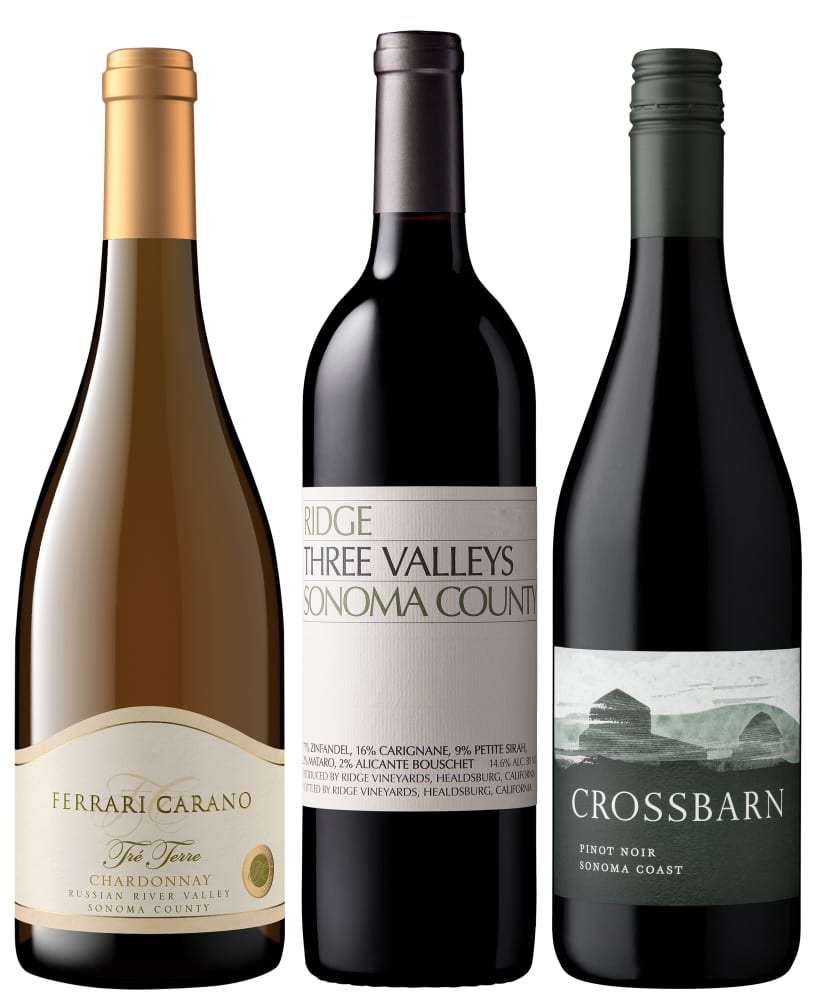
Chuck Furuya


For a delightful pairing with seafood or poultry, I recommend combining extra virgin from Mediterranean olives with a splash of Chardonnay. Begin by heating a generous amount of the infused liquid in a skillet over medium heat, allowing the flavors to awaken.
Next, introduce finely chopped shallots to the pan, sautéing until they become translucent. This step enhances the aromatic profile and sets a flavorful foundation. Once the shallots are ready, pour in the Chardonnay, stirring gently to incorporate. Allow it to simmer, letting the alcohol evaporate while the essence concentrates.

To finish, add a touch of cream for silkiness, and season with sea salt and freshly cracked black pepper. A sprinkle of fresh herbs such as thyme or parsley elevates the dish, adding brightness. This preparation creates a rich, velvety complement to your main course, transforming the meal into an extraordinary experience.
Choosing the Right Olive Oil for Your Sauce
I recommend selecting a high-quality extra virgin variant for optimal flavor. Look for oils that are cold-pressed and have a low acidity level, ideally below 0.5%. This indicates a fresher product with more robust taste profiles.
Opt for oils from reputable regions known for their production, such as Italy, Spain, or Greece. Each region imparts unique characteristics; for instance, Italian oils often have a rich, fruity flavor, while Spanish varieties may present a more peppery finish.
Pay attention to the harvest date on the label. Fresher oils not only taste better but also retain more nutrients. Aim for products that are less than a year old for peak quality.
Consider the flavor intensity you desire. For a delicate touch, choose lighter oils; for a more pronounced taste, go for those with a stronger flavor. It’s beneficial to sample different oils before committing to one, as personal preference plays a significant role.
Additionally, proper storage is crucial. Keep your selection in a dark, cool place to maintain its integrity and prevent oxidation.
Selecting a Suitable White Wine
Opt for a dry variety that complements the other ingredients. A Sauvignon Blanc or Pinot Grigio works exceptionally well due to their crisp acidity and fresh fruit flavors.
Consider the following factors when choosing:
- Acidity: Higher acidity balances richness and enhances overall flavor.
- Flavor Profile: Look for notes that align with the dish, such as citrus or herbal hints.
- Alcohol Content: A moderate alcohol level (around 12-13.5%) is preferable; it prevents overpowering the dish.
For a more complex taste, a dry Riesling can add a subtle sweetness, while a Chardonnay may bring a buttery texture if lightly oaked. Avoid overly sweet or heavily oaked options, as they may clash with the intended flavor balance.
When purchasing, select a bottle labeled for cooking or a varietal that you enjoy drinking, ensuring a harmonious result in your culinary creation.
Gathering Necessary Ingredients and Tools
Begin with gathering fresh aromatics such as garlic and shallots. These will form the flavor base for your dish. For a delightful kick, consider adding a pinch of red pepper flakes.
Ingredients
Ensure you have a selection of high-quality butter and a rich broth, preferably vegetable or chicken, to enhance the sauce’s depth. Fresh herbs like parsley or basil can elevate the taste significantly. Lastly, a squeeze of lemon juice will provide a refreshing note.
Tools
For preparation, a sturdy saucepan is essential. A wooden spoon will help in stirring, while a measuring cup ensures accuracy in liquid quantities. Don’t forget a zester for citrus and a sharp knife for chopping ingredients. A whisk can be invaluable for achieving the right consistency.
Before cooking, organize your workspace. Having everything within reach will streamline the process, allowing for a more enjoyable experience. Gather all items and set them up, ready for use.
Preparing the base for the sauce
Begin with a heavy-bottomed skillet to ensure even heat distribution. Pour in the chosen liquid, allowing it to warm gently over medium heat. This step is crucial for releasing the flavors of the ingredients. As the mixture heats, finely chop garlic and shallots for a robust foundation. Incorporate these aromatics into the pan, stirring occasionally to prevent browning.
Incorporating Flavor Elements
Once the garlic and shallots become translucent, I add a pinch of red pepper flakes for a hint of heat. This is the moment to pour in the previously selected beverage, allowing it to deglaze the pan. Scrape up any flavorful bits stuck to the bottom. This technique enhances the depth of flavors significantly.
Simmering to Perfection
Let the mixture simmer for several minutes. This process allows the alcohol to evaporate, concentrating the essence of the components. I frequently taste during this stage, adjusting seasoning as necessary. A touch of salt or a squeeze of lemon juice can elevate the overall profile, balancing richness with acidity.
Incorporating Oil into the Mixture
Begin by heating a pan over medium heat, ensuring it’s warm enough to enhance the flavors of the ingredients. Pour a generous amount of your chosen liquid fat into the pan once it’s ready. The right temperature is key; it should shimmer slightly without smoking. This indicates it’s ready for the next steps.
Next, introduce garlic or shallots to the heated fat. Stir to coat them evenly, allowing them to soften and release their aromatic qualities. The infusion of flavors begins here, so keep an eye on the heat to prevent burning.
Balancing Flavors
Once the aromatics are translucent, gradually add your liquid of choice. This step is crucial for achieving the desired harmony in taste. Mix thoroughly to meld the flavors, ensuring the fat incorporates well with the other elements. A gentle simmer will help the mixture develop depth. Add herbs or spices at this stage, allowing them to bloom in the warmth.

Final Touches
As the combination simmers, taste periodically. Adjust seasoning as needed, and if a richer flavor is desired, a drizzle of additional fat can enhance the overall profile. This technique enriches the mixture, elevating your dish to the next level.
Balancing flavors with seasonings
To achieve a harmonious blend in this culinary creation, I focus on selecting seasonings that complement the base ingredients. Here are specific recommendations for enhancing the flavor profile:
- Garlic: Fresh minced garlic adds a savory depth. I sauté it briefly in the mixture to release its aroma without overpowering the dish.
- Herbs: Fresh or dried herbs like thyme, oregano, or basil can elevate the taste. I typically add these towards the end of cooking to preserve their fragrance.
- Citrus Zest: A hint of lemon or orange zest brightens the sauce. I find that even a small amount enhances the overall flavor without making it too tart.
- Red Pepper Flakes: For a mild kick, I sprinkle in a few flakes. This adds warmth without overwhelming the palate.
- Salt and Pepper: Essential for bringing out the natural flavors, I adjust these seasonings at the end, tasting as I go.
Balancing these elements is key. I start with a small amount, tasting frequently, and adjusting as needed. This method ensures that each ingredient contributes to a well-rounded flavor experience.
Cooking techniques for optimal taste
For a rich flavor profile, I recommend employing a gentle simmer. This technique allows the ingredients to meld harmoniously without overwhelming the delicate nuances of each component.

Utilize a non-stick skillet or a stainless-steel pan, as these materials distribute heat evenly, preventing scorching. Start with a medium heat setting, gradually increasing it to achieve the right temperature for sautéing aromatics like garlic or shallots.
Incorporating a splash of acidity early in the process can brighten the overall flavor. This can be achieved by adding a dash of citrus juice or vinegar right after softening the aromatics.
When reducing the mixture, keep an eye on the liquid; it should thicken but not evaporate completely. This concentration enhances the taste, creating a more robust final product.
For finishing touches, consider stirring in fresh herbs or a pat of butter just before serving. This addition enriches the texture and adds a layer of complexity that elevates the dish.
| Technique | Description |
|---|---|
| Gentle simmer | Allows flavors to meld without overpowering. |
| Non-stick or stainless-steel pan | Ensures even heat distribution and prevents scorching. |
| Add acidity early | Brightens flavors and enhances depth. |
| Careful reduction | Thickens the mixture, intensifying the taste. |
| Finish with herbs or butter | Enriches texture and adds complexity. |
Adjusting Consistency and Texture
I focus on achieving the right thickness for my creation by controlling the heat and cooking time. A gentle simmer allows the mixture to reduce gradually, thickening it without turning it into a paste. If the blend feels too thin, continuing to cook it uncovered helps evaporate excess moisture.
Using Starches for Thicker Results
Incorporating a starch, such as cornstarch or flour, can be an effective way to enhance the texture. I create a slurry by mixing a small amount of starch with cold water before adding it to the hot mixture. This method prevents clumping and ensures a smooth integration.
Finishing Techniques for Smoothness
For a velvety finish, I often whisk in a knob of butter at the end of cooking. This not only enriches the flavor but also adds a luxurious mouthfeel. Alternatively, blending the sauce briefly with an immersion blender can create a silky consistency, perfect for coating pasta or drizzling over dishes.