Chuck Furuya
Yes, bubbly can effectively replace lighter varietals in various dishes. The key is to consider the flavor profile and acidity levels of your ingredients. When selecting a sparkling option, choose one that aligns with the dish’s intended taste. For example, a dry option can complement savory sauces, while a sweeter variant may enhance desserts.
When incorporating bubbly into sauces, keep in mind that the effervescence can add a unique dimension. I recommend using it in reduction sauces, where the carbonation helps to lift flavors. Just remember to let the bubbles dissipate during cooking to avoid an overly fizzy texture.
In braises or marinades, the acidity of sparkling wine can tenderize proteins effectively. This can brighten the overall flavor of the dish, making it a delightful alternative. Adjust the quantity based on how pronounced you want the flavor to be, starting with half the amount suggested for lighter varietals.
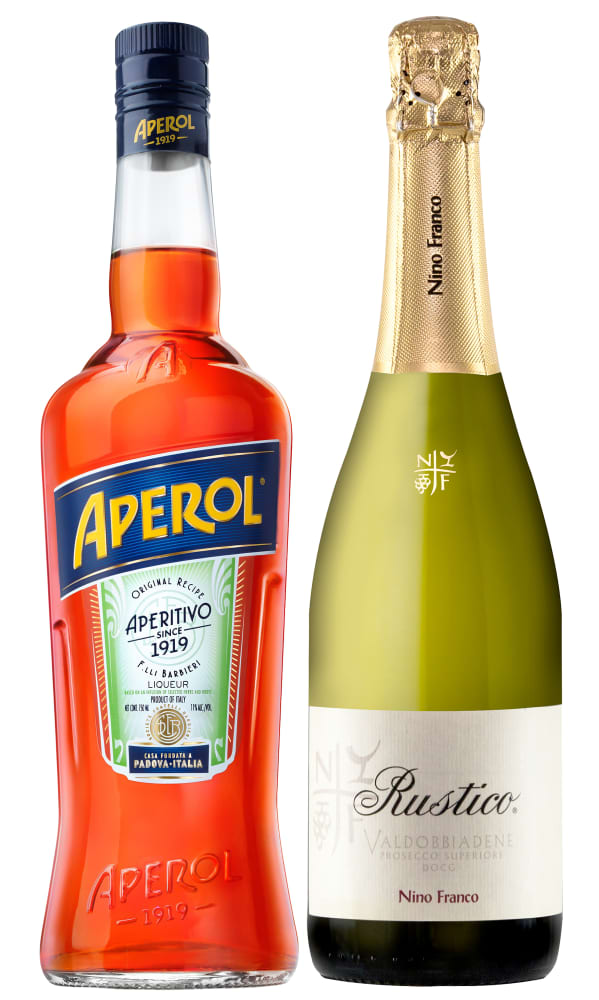
Experimentation is key. I encourage you to try sparkling options in risottos or as a deglazing agent. The unique notes can impart a refreshing twist to classic recipes, expanding your culinary repertoire with a touch of elegance.
Using Sparkling Wine in Recipes
I often opt for sparkling wine in recipes that call for a light and crisp liquid. The effervescence adds an interesting texture and can enhance the flavors of various dishes. Its acidity pairs well with seafood, poultry, and creamy sauces, offering a unique twist compared to still varieties.
Flavor Profile and Versatility
The profile of sparkling wine generally includes fruity and floral notes, which can complement many ingredients. This makes it a versatile choice in both savory and sweet dishes. For instance, I enjoy using it in risottos or as a base for sauces, where it brings a refreshing brightness. Additionally, it works well in marinades, where its acidity helps to tenderize proteins while imparting flavor.
Cooking Techniques
When incorporating sparkling wine, I often choose to reduce it in sauces to concentrate its flavors. This technique enhances the dish without overwhelming it. I also find that using it in desserts, like poached fruits or sorbets, can create a delightful sparkle and add complexity to the sweetness.
In summary, sparkling wine is a fantastic alternative in various culinary applications, providing a unique flavor experience that can elevate everyday recipes.
Understanding Flavor Profiles: Champagne vs. White Wine
When deciding between these two beverages, it’s important to consider their distinct taste characteristics. Sparkling options tend to possess a bright acidity and a complex effervescence, often accompanied by notes of green apple, pear, and citrus. This effervescence adds a refreshing quality, making it particularly suitable for lighter dishes or those that benefit from a hint of sweetness.
In contrast, still varieties typically exhibit a broader range of flavors, from crisp and mineral to rich and buttery, depending on the grape variety and the region of production. Common flavors include stone fruits, melon, and sometimes a touch of oak, especially in those that have undergone barrel aging. This versatility allows still varieties to complement a wider array of ingredients, especially creamy sauces and heartier fare.
Pairing Recommendations
For recipes that require a crisp, refreshing taste, I lean toward using sparkling options. Their acidity can brighten a dish, particularly seafood or poultry preparations. Conversely, for creamy risottos or dishes with a buttery sauce, I find still options are more harmonious due to their rich profile.
Cooking Techniques
When applying either beverage in the kitchen, consider the method of preparation. If deglazing a pan, the effervescence of sparkling varieties can create an intriguing texture and flavor. However, for braising or slow-cooking, still varieties enhance the depth of flavors, providing a more profound base for sauces.