Chuck Furuya



For a refreshing experience, I recommend Château d’Esclans Whispering Angel. This Provençal gem offers a delicate balance of fruit and acidity, making it an ideal choice for warm days or pairing with seafood.
Another excellent option is Miraval Rosé, crafted in the south of France. This wine boasts notes of strawberry and a crisp finish, perfect for casual gatherings or a picnic in the park.
For something with a bit more body, look into Domaine Tempier Bandol Rosé. This varietal presents complex flavors of peach and herbs, and it pairs beautifully with Mediterranean dishes.
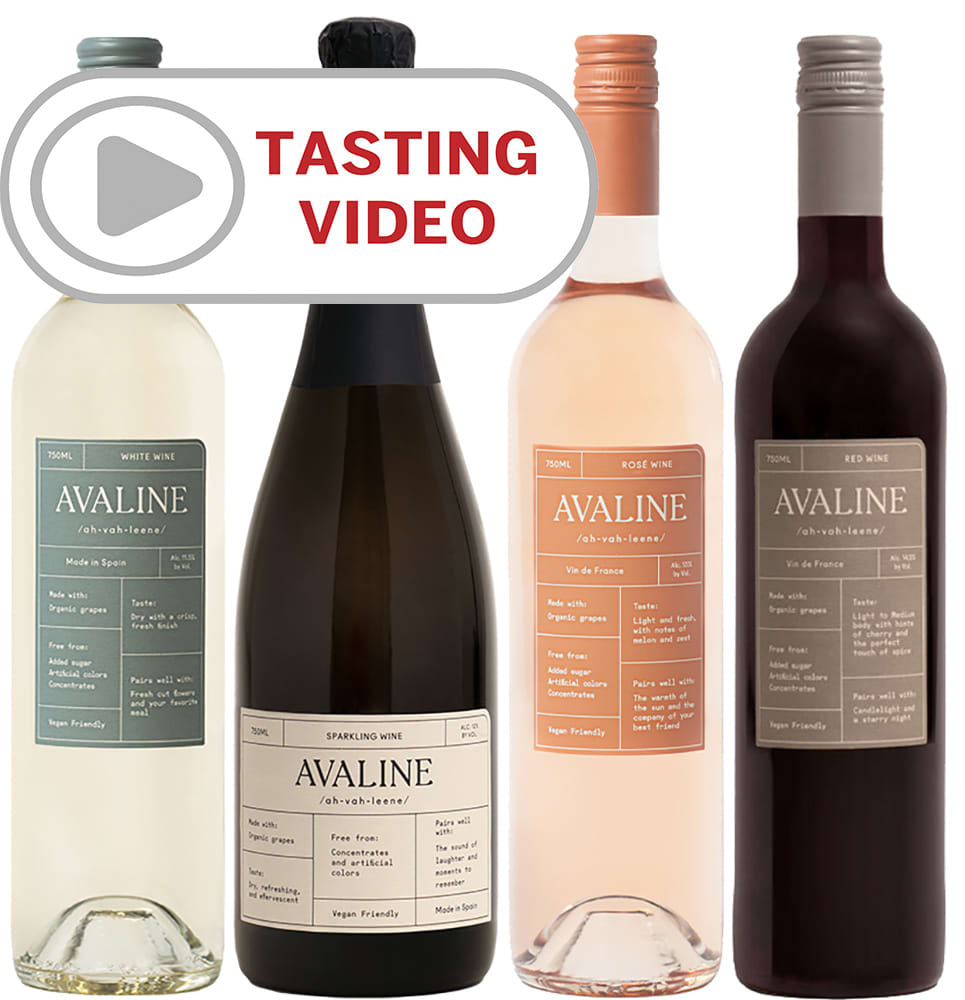
If you prefer something from the New World, try the California-based Francis Ford Coppola Sofia Rosé. It’s light, fruity, and adds a touch of elegance to any occasion.
Top Regions Known for Dry Rosé Wines
Provence in France stands out as a premier area for exceptional pale pink varieties, celebrated for their refreshing acidity and aromatic profiles. The local blends often feature Grenache, Syrah, and Cinsault, creating a delightful balance of fruitiness and minerality.
Spain’s Navarra region is noteworthy, producing vibrant expressions with a blend of Garnacha and Tempranillo. The wines here frequently showcase bright strawberry and citrus notes, making them perfect for warm weather sipping.
Italy’s Tuscany, particularly the Chianti area, offers unique interpretations, often utilizing Sangiovese. These selections typically present a delightful combination of floral aromas and red fruit flavors, paired with a crisp finish.
The United States, especially California, has gained recognition for its innovative takes on this style, with regions like Sonoma and Paso Robles crafting excellent renditions from Grenache and Pinot Noir, often characterized by lush berry flavors and a refreshing palate.
Australia’s Adelaide Hills is emerging as a notable contender, where cool climate conditions facilitate the production of elegant and aromatic pink beverages. Varietals like Shiraz and Pinot Noir dominate, resulting in wines with vibrant acidity and complex flavor profiles.
| Region | Key Varietals | Tasting Notes |
|---|---|---|
| Provence, France | Grenache, Syrah, Cinsault | Refreshing acidity, floral, subtle fruit |
| Navarra, Spain | Garnacha, Tempranillo | Bright strawberry, citrus |
| Tuscany, Italy | Sangiovese | Floral aromas, red fruit, crisp finish |
| California, USA | Grenache, Pinot Noir | Lush berry, refreshing |
| Adelaide Hills, Australia | Shiraz, Pinot Noir | Vibrant acidity, complex flavors |
Key Grape Varieties Used in Dry Rosé Production
Grenache stands out as a primary choice for crafting these blush beverages, delivering bright red fruit flavors and a touch of spice. Its adaptability to various climates enhances its popularity across regions.
Syrah contributes depth with its dark berry notes and peppery finish, adding complexity to the final product. This variety thrives in warmer areas, allowing for rich and bold profiles.
Pinot Noir, known for its finesse, offers elegance with delicate floral aromas and red fruit character. Its lighter body makes it a favorite for those preferring a more refined style.
Tempranillo, the backbone of many Spanish selections, brings forward flavors of cherry and leather, often exhibiting earthy undertones. This varietal is crucial in regions like Rioja for producing a distinct profile.
Cinsault, often blended with Grenache, adds freshness and soft tannins, making it a reliable component in achieving balance. Its aromatic qualities enhance the overall appeal of the wine.
Carignan, with its high acidity and robust structure, is frequently utilized in blends. It provides longevity and depth, particularly in Mediterranean zones.
Malbec’s rich color and bold fruit contribute to fuller-bodied expressions, while Sauvignon Blanc can also be found in some innovative blends, infusing a crisp acidity and herbaceous notes.
Focusing on these specific grapes enables winemakers to create unique interpretations, resulting in a diverse array of styles and flavor profiles. Each grape variety plays a significant role in the final character of the drink, catering to various preferences and occasions.
How to Taste and Evaluate Dry Rosé Wines
Focus on the appearance first. Hold the glass at an angle against a white background. Observe the color intensity, which can range from pale salmon to deep pink. This gives clues about the grape variety and production methods.
Aroma Assessment
Swirl the glass gently to release the aromas. Take a moment to inhale deeply. Look for fruit notes like strawberry, raspberry, or citrus. Consider additional scents such as floral, herbal, or mineral hints, which can indicate the wine’s complexity.
Tasting Technique
- Take a small sip and let it coat your palate. Focus on the initial flavors that emerge.
- Assess the acidity. A balanced wine will have refreshing acidity that complements the fruitiness.
- Evaluate the body. Is it light and crisp or fuller and richer? This impacts the overall mouthfeel.
- Identify the finish. A lingering aftertaste often signifies quality. Note any evolving flavors as it lingers.
Consider pairing options. Certain flavor profiles enhance the experience, such as seafood, salads, or light pasta dishes.
Take notes on your observations. This practice helps refine your palate and improve your ability to articulate what you enjoy in a glass.
Food Pairing Tips for Dry Rosé Wines
For a delightful experience, I recommend pairing this style of pink wine with grilled seafood. Think shrimp skewers or grilled salmon, where the wine’s acidity balances the richness of the dish.
Cheese and Charcuterie
Soft cheeses like goat cheese or brie complement the fruity notes beautifully. Adding prosciutto or salami creates an exciting contrast, enhancing the tasting experience.
Fresh Salads
Salads featuring citrus or berries work wonderfully. A mixed greens salad with strawberries and a light vinaigrette pairs harmoniously, allowing the wine’s flavors to shine.
Spicy dishes also match well. The refreshing quality of this type of wine can temper the heat in Thai or Mexican cuisine. Consider pairing with spicy tacos or a zesty curry.
For dessert, opt for fruit-based options. A tart with berries or a light sorbet complements the wine’s profile without overwhelming it.
Popular Brands and Labels of Dry Rosé Wines
One standout choice is Whispering Angel, renowned for its consistent quality and approachable flavor profile. This Côtes de Provence selection offers a delicate balance of red fruit and floral notes.
Another excellent option is Miraval Rosé, a collaboration between Brad Pitt and Angelina Jolie. This wine has gained acclaim for its crisp acidity and flavors of strawberries and citrus, making it a favorite among enthusiasts.
For a classic French experience, consider Domaine Tempier Bandol Rosé. This label embodies the essence of Provence, showcasing a more robust structure with notes of peach and herbs.
In Spain, look for Bodegas Muga Rosado. This wine features a blend of Tempranillo and Garnacha, delivering bright acidity and flavors of ripe berries, ideal for various dishes.
From Italy, I recommend A Mano Rosato, produced from Primitivo grapes. Its vibrant character and refreshing finish make it a delightful choice for summer gatherings.
- Whispering Angel – Côtes de Provence
- Miraval Rosé – Provence
- Domaine Tempier Bandol Rosé – Bandol
- Bodegas Muga Rosado – Rioja
- A Mano Rosato – Puglia
Exploring these labels will enhance your appreciation for this versatile beverage. Each brings a unique interpretation of the style, catering to various palates and occasions.
Understanding the Aging Potential of Dry Rosé Wines
Many of these wines, often enjoyed young, can develop intriguing characteristics when cellared properly. I recommend looking for bottles that exhibit a balance of acidity and fruitiness, as these elements contribute significantly to aging potential. Wines crafted from varietals like Grenache, Syrah, or Mourvèdre tend to offer better aging capacity.
To assess the viability for aging, consider the wine’s structure. A higher acidity level and moderate tannins are indicators of longevity. Opt for those with a deeper color and complexity, as they often signal the potential for a richer profile over time. For example, a well-made Tavel or Bandol can evolve beautifully, revealing layers of complexity with time.
Storing conditions play a pivotal role. A consistent temperature around 55°F (13°C), along with low humidity and minimal light exposure, will help preserve the wine’s integrity. I suggest using a wine fridge or a dedicated cellar space to maintain these conditions.
Regularly tasting a bottle from your collection can be enlightening. This allows you to track the development of flavors and aromas. Expect fruit notes to mellow, revealing earthiness, spice, or floral characteristics as the wine matures. Keep an eye out for any signs of oxidation, which can indicate that the wine has surpassed its peak.
In conclusion, while many prefer to enjoy these wines young, selecting the right bottle and providing optimal storage can yield rewarding experiences with aged selections. The transformation from youthful exuberance to nuanced complexity is truly remarkable.
FAQ:
What are the characteristics of dry rosé wines?
Dry rosé wines are typically known for their light to medium body and refreshing acidity. They are made from red grape varieties, where the grape skins are left in contact with the juice for a shorter period compared to red wines. This process gives rosés their characteristic pink color, which can range from pale salmon to deeper ruby shades. The flavor profile often includes notes of red fruits such as strawberries, cherries, and raspberries, along with floral and herbal undertones. The dryness of these wines means they have little to no residual sugar, making them crisp and clean on the palate.
Can you recommend some popular dry rosé wines from different regions?
Certainly! Some well-known dry rosé wines include: 1. **Provence Rosé** – Hailing from the Provence region in France, these wines are often light and aromatic, with flavors of peach and herbs. 2. **Spanish Rosado** – Made in Spain, these wines can vary in style but often have a richer fruit profile, with berries and watermelon notes. 3. **Italian Rosato** – Italian rosés, such as those from Tuscany, tend to have a bit more body and structure, featuring flavors of cherry and citrus. 4. **California Rosé** – Many California wineries produce dry rosé with a modern twist, combining various grape varieties for unique flavor combinations. Each of these regions offers unique characteristics that reflect their terroir.
How should dry rosé wines be served and paired with food?
Dry rosé wines are best served chilled, typically between 45°F and 55°F (7°C to 13°C). This temperature enhances their refreshing qualities. When pairing food, dry rosés work well with a variety of dishes. They complement seafood, such as grilled fish or shrimp, and also pair nicely with light salads and Mediterranean dishes. Additionally, they can enhance the flavors of grilled vegetables and even charcuterie boards. The versatility of dry rosé makes it a great choice for casual gatherings and summer dining.
What grape varieties are commonly used to make dry rosé wines?
Several grape varieties are popular in the production of dry rosé wines. Some of the most common include: 1. **Grenache** – Often used in Provence rosés, Grenache contributes fruitiness and body. 2. **Sangiovese** – A key grape in Italian rosato, it adds bright acidity and cherry notes. 3. **Syrah** – Known for its bold flavors, Syrah can produce rosés with deeper color and complexity. 4. **Pinot Noir** – This grape is used in many regions, providing elegance and subtle fruit flavors. Each variety brings its own unique characteristics to the resulting wine.
What is the difference between a dry rosé and a sweet rosé?
The primary difference between dry and sweet rosé wines lies in the sugar content. Dry rosés have little to no residual sugar, resulting in a crisp and fresh taste. In contrast, sweet rosés contain higher levels of sugar, giving them a fruity and sometimes syrupy flavor profile. The sweetness can mask some of the acidity found in dry rosés, making them feel softer on the palate. When choosing between the two, it largely depends on personal preference and the type of food being served.
What are the most popular types of dry rosé wines?
Some of the most popular types of dry rosé wines include Provence rosé, which originates from the Provence region in France and is known for its light, crisp flavors and pale pink color. Another notable type is Spanish rosado, which often has a more pronounced fruitiness and can vary in sweetness levels. Additionally, Italian rosato wines, like those from Tuscany, usually exhibit floral and red fruit notes, making them quite refreshing. Each of these types offers a unique taste profile that can appeal to different preferences.
How is dry rosé wine made compared to other wines?
Dry rosé wine is typically made using a method called ‘saignée’ or direct pressing. In the saignée method, red grapes are crushed, and some of the juice is removed early in the fermentation process, allowing for a lighter color and flavor profile. This contrasts with red wine production, where the juice is fermented with the skins for an extended period to extract color and tannins. For white wine, grapes are generally pressed and fermented without skin contact. The key difference for rosé lies in the shorter skin contact time, which gives it its characteristic color and taste while maintaining a dry finish.