
 Chuck Furuya


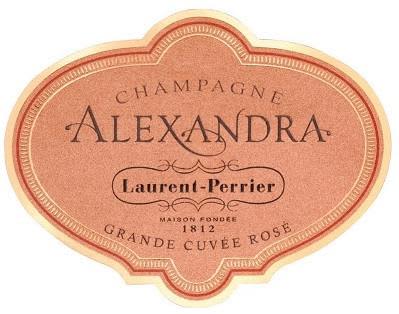

To achieve a delightful effervescent pink drink, I recommend starting with high-quality grapes, particularly those rich in acidity and fruitiness. Varietals such as Pinot Noir and Grenache are excellent choices, offering vibrant flavors that will shine through in the final product.
The process begins with meticulous harvesting. Grapes should be picked at optimal ripeness, usually in the early morning to retain their freshness. I prefer to use whole clusters for pressing, as this minimizes oxidation and preserves the delicate aromas.
Next, I opt for the saignée method or direct pressing. The saignée technique involves allowing the skins to macerate with the juice for a short period, imparting color and tannins, while direct pressing keeps the extraction minimal for a lighter hue. This decision significantly influences the final flavor profile.

After pressing, fermentation takes place in temperature-controlled stainless steel tanks. I often use selected yeast strains to enhance the aromatic complexity. Secondary fermentation, crucial for developing the signature bubbles, is typically conducted in the bottle using the traditional method or in large tanks for a more modern approach.
The final touch involves riddling and disgorging. I find that this step is vital for clarity and texture, ensuring the drink is both visually appealing and smooth on the palate. Once the dosage is added, the drink is ready to be sealed and enjoyed, showcasing a perfect balance of freshness and complexity.
Production Process of Pink Bubbly
For creating this effervescent delight, start with selecting high-quality grapes, primarily from varieties like Pinot Noir and Chardonnay. After harvesting, the grapes undergo pressing, where the juice is separated from the skins. This initial step influences the color and flavor profile of the final product.
Fermentation Techniques
The juice is then fermented in stainless steel tanks or oak barrels, depending on the desired characteristics. Here are the steps involved:
- Primary fermentation converts sugars into alcohol.
- Malolactic fermentation may follow, softening the acidity and enhancing complexity.
Second Fermentation and Bubbles Formation
To create those signature bubbles, a second fermentation occurs. This can happen through two main methods:
- Traditional Method: The wine undergoes secondary fermentation in the bottle, with added sugar and yeast. This process, known as méthode champenoise, develops the characteristic fizz and depth of flavor.
- Tank Method: In this technique, large tanks are used for the second fermentation. This approach is often quicker and preserves the fruity essence of the grapes.
After fermentation, the wine rests on its lees, enhancing its texture and aroma. Once the desired aging is achieved, the wine is disgorged to remove the sediment, and a dosage of sugar may be added to balance the acidity before final corking.
Understanding the Grapes Used for Rosé Sparkling Wine
For crafting a delightful pink effervescent drink, I focus on specific grape varieties that contribute distinct flavors and characteristics. Key options include Pinot Noir and Grenache, both renowned for their ability to impart vibrant fruit notes and a refreshing acid balance.
Pinot Noir, with its delicate berry flavors, often forms the backbone of these creations. The grapes’ natural acidity ensures a crisp finish, enhancing the overall experience. Grenache, on the other hand, offers a juicy profile with hints of red fruits and spice, adding complexity and richness.
Other notable varieties include Sangiovese and Syrah. Sangiovese brings a touch of cherry and herbal nuances, while Syrah can introduce darker fruit and a touch of pepper, enriching the flavor spectrum. Blending these grapes allows for a dynamic interplay of tastes, elevating the final product.
When selecting grapes, I prioritize those harvested at optimal ripeness to maintain freshness and acidity. The method of maceration also plays a critical role; brief skin contact during fermentation extracts the desired color without overwhelming the palate.
Ultimately, the choice of grapes significantly influences the final profile of the bubbly. By thoughtfully selecting and blending varieties, I can create a delightful drink that is both refreshing and expressive.
FAQ:
What are the key steps involved in the production of rose sparkling wine?
The production of rose sparkling wine typically involves several key steps. First, grapes are harvested, often using a blend of red and white varieties. After harvesting, the grapes are crushed to extract the juice. For rose wines, the skins of red grapes are usually left in contact with the juice for a short period to impart color. After the desired color is achieved, the skins are removed. The juice is then fermented, either in stainless steel tanks or oak barrels, depending on the winemaker’s preference. Once fermentation is complete, secondary fermentation occurs in a sealed container or bottle, which creates the characteristic bubbles. Finally, the wine is aged, filtered, and bottled, ready for consumption.
What types of grapes are commonly used in rose sparkling wine production?
Rose sparkling wine can be made from various grape varieties, but some of the most common include Pinot Noir, Grenache, and Syrah. Pinot Noir is favored for its bright acidity and berry flavors, while Grenache provides a fruity and floral character. Syrah can add depth and spice to the blend. Additionally, some producers may use Chardonnay or other white grape varieties to achieve a specific flavor profile. The choice of grapes often depends on the region and the style of wine the producer aims to create.
How does the fermentation process differ for rose sparkling wine compared to other sparkling wines?
The fermentation process for rose sparkling wine shares similarities with other sparkling wines, such as Champagne. However, the main difference lies in the maceration of red grape skins. In rose sparkling wine production, red grape skins are allowed to remain in contact with the juice for a limited time to achieve the desired color. This is unlike traditional sparkling wines, which are typically made from white grapes or red grapes with minimal skin contact. After the initial fermentation, rose sparkling wines undergo a secondary fermentation to create carbonation, similar to other sparkling wine methods.
What factors influence the flavor profile of rose sparkling wine?
The flavor profile of rose sparkling wine is influenced by several factors, including the grape varieties used, the region where the grapes are grown, and the winemaking techniques employed. The choice of grape varieties can lead to different flavors; for instance, Pinot Noir often brings red fruit notes, while Grenache can add floral and fruity elements. The terroir, or the environmental conditions of the vineyard, can also affect the taste, as soil type and climate play a significant role in grape development. Additionally, the winemaker’s choices regarding fermentation temperature, aging time, and any added dosage (sugar mixture) can further shape the final flavor profile, resulting in a range of styles from dry to sweeter wines.
What is the aging process like for rose sparkling wine?
The aging process for rose sparkling wine can vary depending on the style and the producer’s intentions. After the initial fermentation, the wine may be aged on its lees (the dead yeast cells) for several months to add complexity and depth to the flavor. This aging process can enhance the wine’s texture and introduce yeasty or bready notes. Some producers may choose to age their rose sparkling wines for a few years to develop more intricate flavors, while others may opt for a fresher style that is best enjoyed young. Ultimately, the aging decision is influenced by the desired taste profile and the type of grapes used.


