Chuck Furuya
I recommend considering organic selections, as they often contain significantly reduced additives. For instance, brands like Frey Vineyards and Bonterra are well-regarded for their commitment to minimal sulfite usage, making them excellent choices for those sensitive to these compounds.
Additionally, look for varieties from regions known for lower intervention practices, such as certain Spanish and Italian producers. Specifically, Frappato and Negroamaro tend to reflect lower concentrations, thanks to traditional winemaking methods.
Exploring natural options can also yield rewarding results. Wines labeled as natural or without added sulfites may provide a pleasant tasting experience while minimizing irritants. Always check the labels for transparency regarding sulfite content.
Red Varietals with Minimal Additives
I recommend exploring organic options, as they typically contain fewer preservatives. For instance, wines from producers like Frey Vineyards and Bonterra offer selections that adhere to organic standards, ensuring a reduction in chemical additives.
Look for bottles labeled “no added sulfites” or “sulfite-free.” A few notable examples include La Clarine Farm and Château de Plaisance, both renowned for their commitment to minimal intervention winemaking.

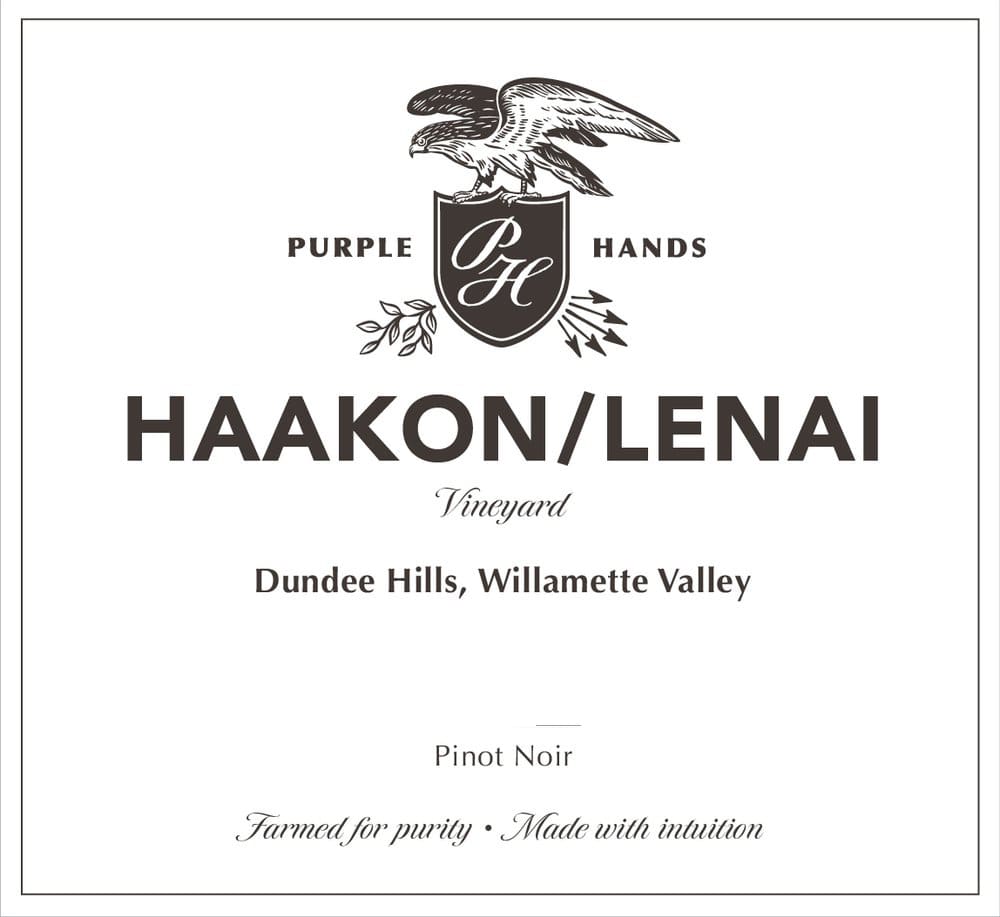
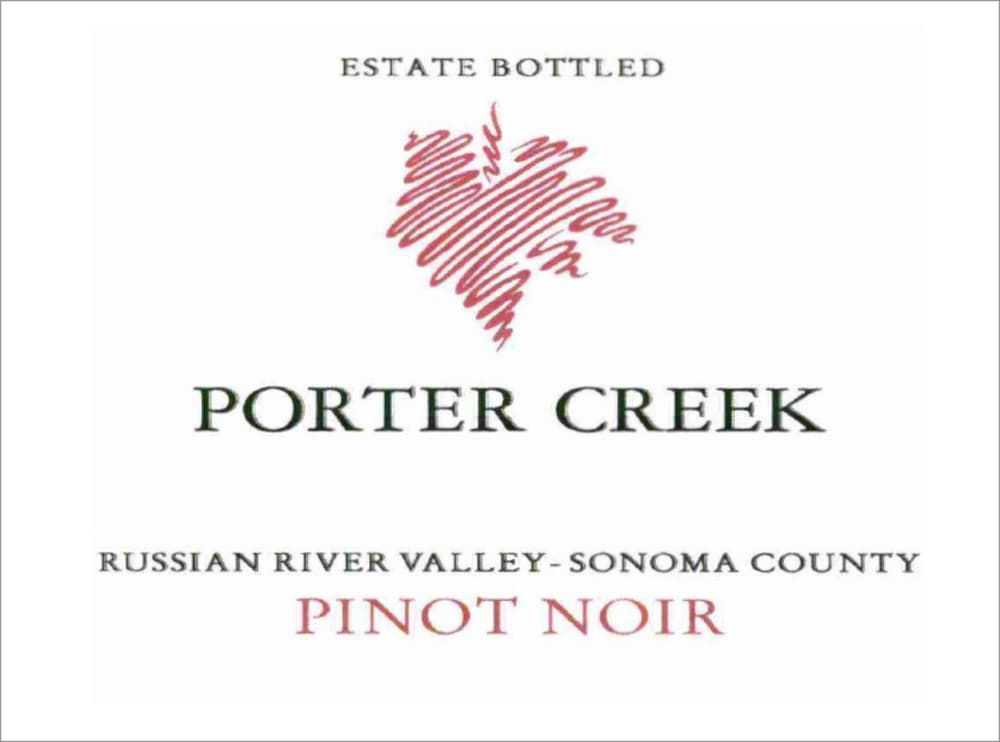
Another intriguing choice is Pinot Noir from smaller, family-owned vineyards. These often feature lower concentrations due to traditional methods and less reliance on commercial practices.
Regions with stringent regulations on additives, like parts of Germany, often produce varietals with reduced chemical content. Seek out Spätburgunder, the local name for Pinot Noir, from biodynamic producers.
Lastly, keep an eye on carbonic maceration styles, as they tend to require fewer preservatives. Wines such as those from Beaujolais exemplify this technique, providing flavorful options with minimal sulfites.
Identifying Low-Sulfite Red Wine Varieties
For those seeking options with minimal additives, I recommend exploring specific grape varieties known for their lower concentrations of preservatives. Among these, consider Pinot Noir, Gamay, and Sangiovese. These types are often produced using organic or biodynamic methods, which typically result in reduced use of chemical interventions.
Key Grape Varieties
Pinot Noir is particularly noteworthy due to its natural acidity and fruitiness, often requiring less sulfite for stabilization. Gamay, used primarily in Beaujolais, showcases wines that prioritize freshness, which also translates to lower preservative requirements. Sangiovese, predominant in Tuscany, can be found in numerous organic forms, appealing to those focused on lower intervention.
Additional Considerations
When selecting a bottle, look for labels indicating organic certification or those explicitly stating low preservative content. Many producers focus on minimal intervention techniques, allowing for naturally occurring sulfites, which can be beneficial for sensitive palates.
| Variety | Characteristics | Recommended Regions |
|---|---|---|
| Pinot Noir | Light-bodied, fruit-forward | Burgundy, Oregon |
| Gamay | Fresh, juicy, vibrant | Beaujolais |
| Sangiovese | Medium-bodied, earthy | Tuscany |
Understanding Sulfite Levels in Wine Production
To minimize the presence of preservatives in your choice of beverage, focus on organic and biodynamic options. These methods often limit the use of additives, including sulfites. Many producers adhering to these practices will label their products accordingly, allowing for easier identification.
Factors Influencing Sulfite Concentration
Several elements affect the amount of sulfites utilized during production. The grape variety plays a significant role; some types naturally contain more antioxidants, reducing the need for additional preservatives. Additionally, the fermentation process and the winemaker’s techniques can impact sulfite application. Selecting small-batch producers often results in lower concentrations, as they tend to prioritize quality over quantity.
Label Awareness and Certification
Reading labels is critical. Look for certifications such as organic or minimal intervention, which can indicate reduced sulfite content. Furthermore, some wines may explicitly state “no added sulfites,” making them a preferable choice for those seeking to limit intake. Always research producers to understand their practices and commitment to natural ingredients.
How to Read Wine Labels for Sulfite Information
To identify pertinent details about sulfites on wine labels, pay attention to specific statements and symbols. Look for the words “contains sulfites,” which indicate the presence of these compounds. This phrase is often required by law in many regions.
Examine the back label for additional information. Some producers provide a sulfite concentration in parts per million (ppm), which can help you gauge the amount present. If no concentration is listed, it may still be useful to know that wines with less than 10 ppm are often categorized as low-sulfite.
Consider the following tips for effective label reading:
- Review the region of origin; certain areas may have stricter regulations on sulfite use.
- Check for organic or biodynamic certifications; these types of production often limit sulfite usage.
- Look for specific varietals known for lower concentrations, such as certain natural or minimal intervention options.
Additionally, be aware of the vintage. Older vintages may contain more sulfites due to preservation practices during storage. Comparing labels from different years can reveal variations in sulfite content.
Lastly, if in doubt, do not hesitate to ask retailers or producers directly about sulfite levels. They can provide insights that labels may not fully convey.