Chuck Furuya


To preserve the integrity of specific varietals, I recommend utilizing dark-hued containers. These vessels effectively minimize light exposure, which is crucial in maintaining flavor and aroma. Ultraviolet rays can lead to oxidation, negatively impacting the sensory experience of the beverage.
Research indicates that shades such as green or brown provide optimal protection against harmful light. Studies show that wines in transparent containers are more susceptible to spoilage, often resulting in off-flavors. Hence, selecting a dark glass option is a practical choice for both producers and consumers.
When shopping, pay attention to the color of the packaging. Choosing bottles with darker exteriors not only enhances the aesthetic but also safeguards the contents. This simple measure can significantly influence the overall quality, ensuring a more enjoyable tasting experience.
The Role of Light Protection in Beverage Preservation
To maintain the integrity of fermented beverages, it’s crucial to shield them from light exposure. Ultraviolet (UV) rays can trigger chemical reactions that lead to undesirable flavors and aromas, commonly referred to as “light strike.” This phenomenon occurs when light interacts with certain compounds in the liquid, resulting in off-flavors reminiscent of skunky characteristics.
Choosing dark-colored containers significantly mitigates this risk. The pigmentation in green or brown glass effectively absorbs harmful wavelengths, providing a barrier against UV light. As a result, beverages stored in these containers are more likely to retain their intended flavor profile over time.
Storage Recommendations
For optimal preservation, it’s advisable to store these beverages in a cool, dark place, away from direct sunlight. Even with protective packaging, prolonged exposure to light can degrade quality. Consider using wine cellars or dark cupboards to enhance longevity.
Additional Factors to Consider
Temperature fluctuations can also affect the quality. Keeping beverages at a stable, moderate temperature further complements light protection strategies. This holistic approach ensures that the intended characteristics of the beverage are preserved, allowing for an enjoyable tasting experience.
Impact of Bottle Color on Quality and Aging
Choosing the right hue for packaging can significantly affect the preservation and maturation of the beverage. Darker shades, such as emerald or brown, prevent UV rays from penetrating and causing chemical reactions that lead to spoilage. This is particularly true for sensitive varieties that are more prone to light exposure.
Research indicates that wines stored in clear containers are more susceptible to degradation, often resulting in off-flavors and unpleasant aromas. In contrast, darker vessels help maintain the intended profile, allowing the contents to evolve gracefully over time.
When selecting a vessel, consider the intended aging period. For prolonged storage, opt for darker options to shield from light exposure. This choice can enhance the aging process, allowing complex flavors to develop without interference.
Additionally, the thickness of the glass plays a role; thicker glass provides better insulation against temperature fluctuations. This can further protect the contents from environmental changes that might otherwise alter flavor and aroma.
In summary, the choice of bottle coloration is not merely aesthetic; it plays a vital role in maintaining integrity and enhancing the aging process. Prioritize darker hues for better preservation and a more rewarding experience over time.
Consumer Perceptions and Market Trends Related to Bottle Aesthetics
Consumers often associate dark containers with premium beverages. This perception influences purchasing decisions significantly. Understanding the psychology behind these choices can enhance marketing strategies.
Visual Appeal and Brand Identity
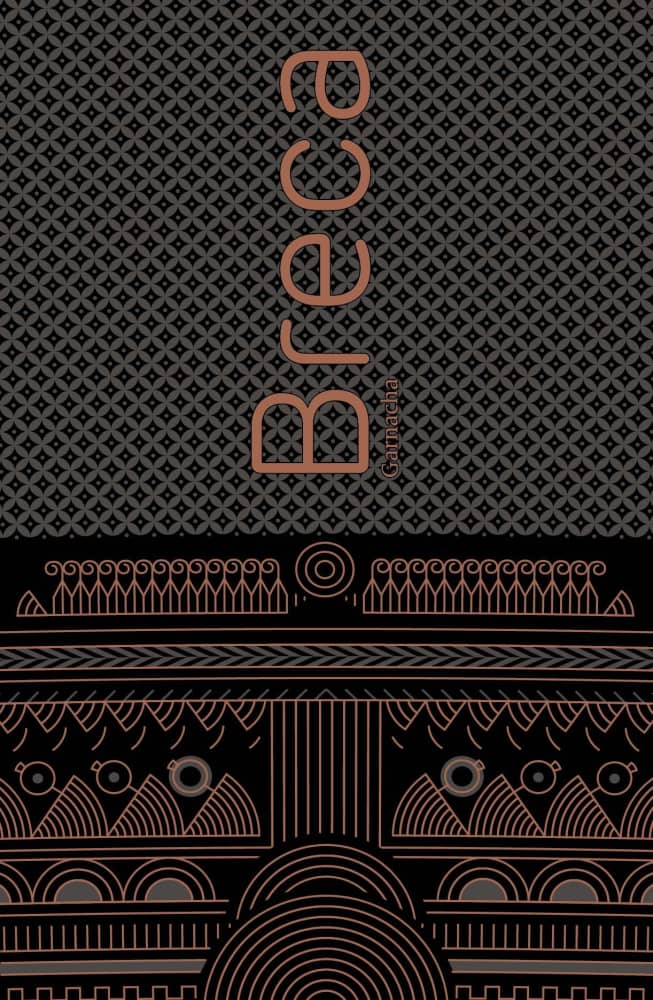
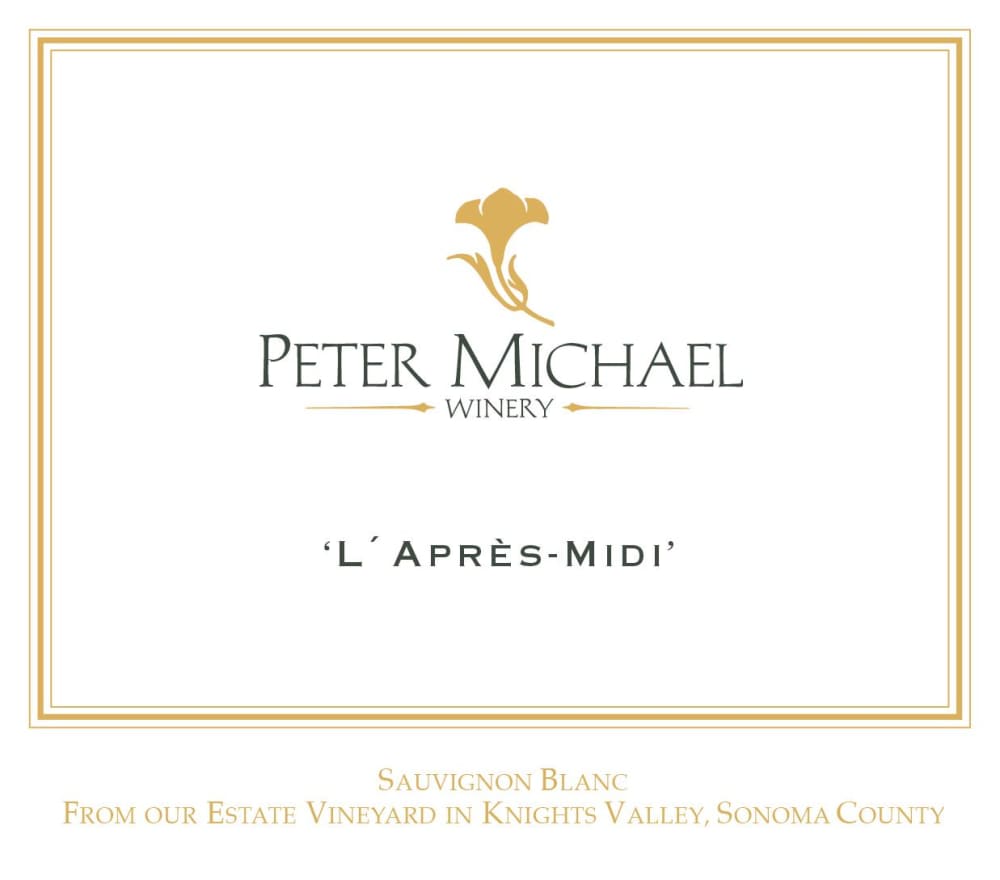
Label design and bottle shape contribute greatly to the overall aesthetic. Here are key aspects to consider:
- Color Psychology: Dark hues evoke feelings of sophistication and luxury, appealing to consumers seeking high-quality options.
- Shape and Design: Unique silhouettes can stand out on shelves, attracting attention and encouraging trial purchases.
- Consistency: Maintaining a cohesive look across product lines strengthens brand recognition and loyalty.
Market Trends Influencing Aesthetic Choices
Current trends reflect a shift towards sustainability and minimalism:
- Eco-Friendly Materials: Consumers increasingly prefer bottles made from recycled or sustainable materials, impacting production choices.
- Minimalist Designs: Simple, clean labels resonate with environmentally conscious buyers, conveying a sense of authenticity.
- Personalization: Customized packaging is gaining traction, allowing buyers to connect with brands on a personal level.
Recognizing these preferences aids in creating products that not only meet consumer expectations but also enhance market appeal. Adapting to these trends can lead to increased sales and brand loyalty.