
 Chuck Furuya
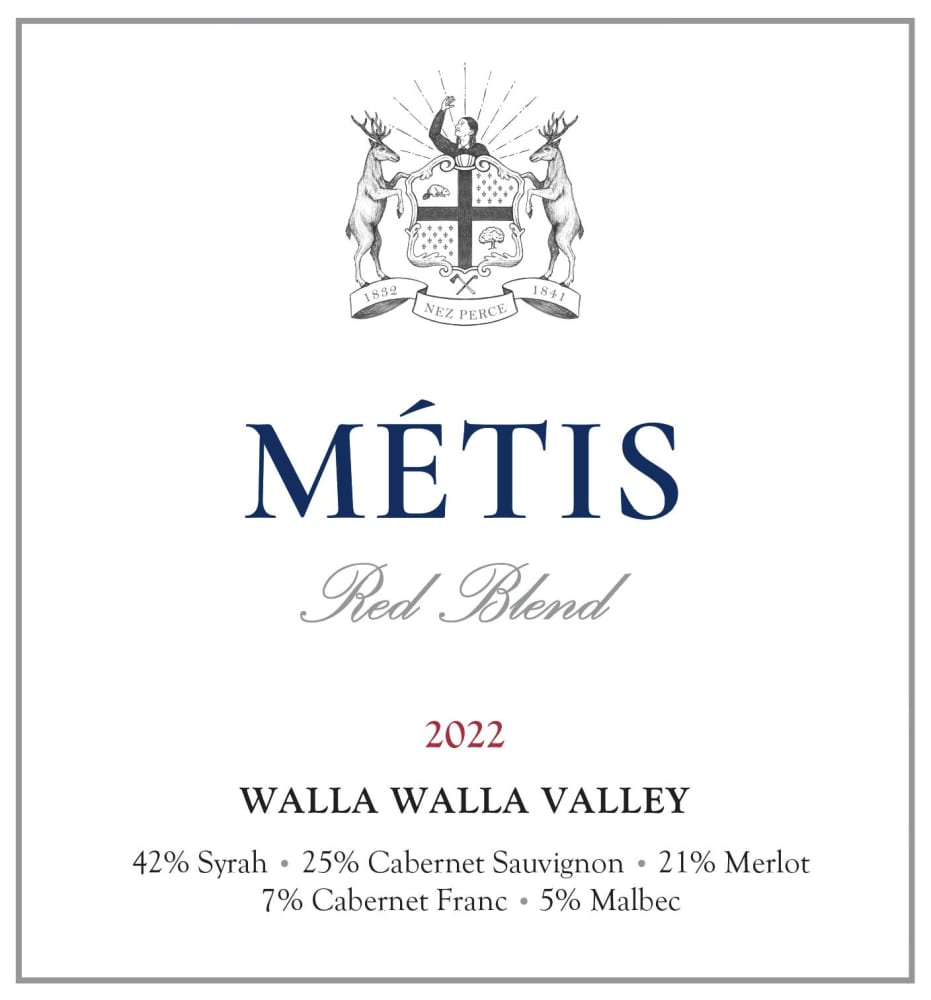


Choosing the right grapes is fundamental. I prefer using varieties like Merlot or Cabernet Sauvignon for their rich flavors. It’s essential to harvest them at peak ripeness, typically in late summer to early fall, ensuring maximum sugar content and flavor depth.
Sanitizing equipment is non-negotiable. I thoroughly clean all tools, including fermenters and bottles, with a solution of water and a food-safe sanitizer. This step prevents unwanted bacteria from spoiling the final product. Having a hydrometer helps me measure sugar levels, guiding the fermentation process effectively.
During fermentation, I monitor the temperature closely. Keeping it around 70°F (21°C) allows the natural yeasts to thrive, producing an optimal flavor profile. Regularly checking the specific gravity with a hydrometer ensures I know when to transfer the mixture to aging containers. Patience is key; aging for at least six months enhances complexity and smoothness.
Finally, bottling requires care. I siphon the liquid into sterilized bottles, leaving some space at the top. Sealing them correctly ensures that the beverage develops its character over time. Enjoying the fruits of my labor after months of dedication is immensely satisfying.
Crafting Your Own Vinous Beverage
Choose high-quality grapes as the base for your creation. Varieties like Cabernet Sauvignon, Merlot, or Zinfandel work well. Ensure they are ripe, firm, and free from blemishes. A ratio of about 1.5 to 2.0 kilograms of grapes per liter of liquid is ideal.
Fermentation Process
Crush the grapes gently to release their juice. Place the crushed fruit in a sanitized fermentation vessel. Add yeast; a specific red wine yeast strain enhances flavor complexity. Maintain a temperature between 20°C and 25°C during fermentation. Stir the mixture daily to incorporate oxygen and promote yeast activity. This stage typically lasts 5 to 14 days, depending on desired characteristics. Monitor the specific gravity with a hydrometer to track the fermentation progress.
Post-Fermentation Steps
Once fermentation is complete, separate the liquid from the solids using a fine mesh strainer or cheesecloth. Transfer the liquid to a clean carboy or oak barrel for aging. During this phase, which can last from a few months to several years, flavors will develop and mature. Regularly check the taste and clarity. Finally, bottle the liquid, ensuring that bottles are sterile to avoid contamination. Store in a cool, dark place to enhance flavors over time.
Selecting the Right Grapes for Your Wine
Focus on grape varieties that match your flavor preferences. Popular choices include Cabernet Sauvignon, Merlot, and Zinfandel, each offering unique characteristics. For a bolder profile, opt for Cabernet Sauvignon; for a softer, fruitier taste, go with Merlot.
Considerations for Selection
- Climate: Grapes thrive in specific climates. Warm regions enhance sugar levels, while cooler areas often yield higher acidity.
- Ripeness: Harvest grapes when they reach optimal ripeness. This affects sugar content and overall flavor. Taste test the grapes to ensure they have developed the desired sweetness.
- Health: Look for healthy clusters without mold or rot. Damaged grapes can negatively impact the final product.
Local vs. Imported
- Local Varieties: Choose grapes that are grown in your region. They are often better adapted to the local climate and soil conditions.
- Imported Varieties: If you seek a specific flavor profile, consider importing grapes. Be mindful of transportation costs and potential quality loss.
Experiment with blending different varieties. Combining grapes can enhance complexity, creating a more balanced and intriguing final product. Aim for a mix that excites your palate.
Fermentation Process: Step-by-Step Guide
Begin with a clean fermentation vessel, ensuring it is sanitized to prevent unwanted bacteria. Pour the crushed grapes into the container, leaving some space at the top for expansion.
Add the chosen yeast strain; I prefer using a specific red wine yeast for optimal flavor development. Stir gently to incorporate the yeast evenly throughout the mixture.
Seal the vessel with an airlock to allow gases to escape while keeping contaminants out. Place it in a cool, dark area with a stable temperature, ideally between 70°F to 75°F (21°C to 24°C).
Check the fermentation daily. Within a few days, bubbles should appear, indicating active fermentation. This primary stage typically lasts from 5 to 14 days, depending on the grape variety and conditions.
Once fermentation slows and the bubbles are less frequent, it’s time to press the liquid from the skins. Use a wine press or a clean cloth to extract the juice, separating it from the solids.
Transfer the liquid into a clean carboy or secondary fermentation vessel. If desired, add sulfites to stabilize the brew and prevent unwanted oxidation.
Allow the wine to undergo malolactic fermentation if a softer taste is preferred. Monitor the process for several weeks, checking for clarity and taste.
After this secondary fermentation, rack the wine into another clean vessel to separate it from any sediment that has settled at the bottom.
Age the wine in a suitable container, like oak barrels or glass carboys, for several months to develop its flavors. Regularly taste the brew to determine when it reaches the desired profile.
Before bottling, clarify the liquid if needed, using fining agents or allowing it to settle naturally. Once satisfied with the flavor and clarity, transfer the wine into bottles, corking them securely.
Store the bottles in a cool, dark place, allowing them to mature for several months before enjoying the fruits of your labor.


