
 Chuck Furuya

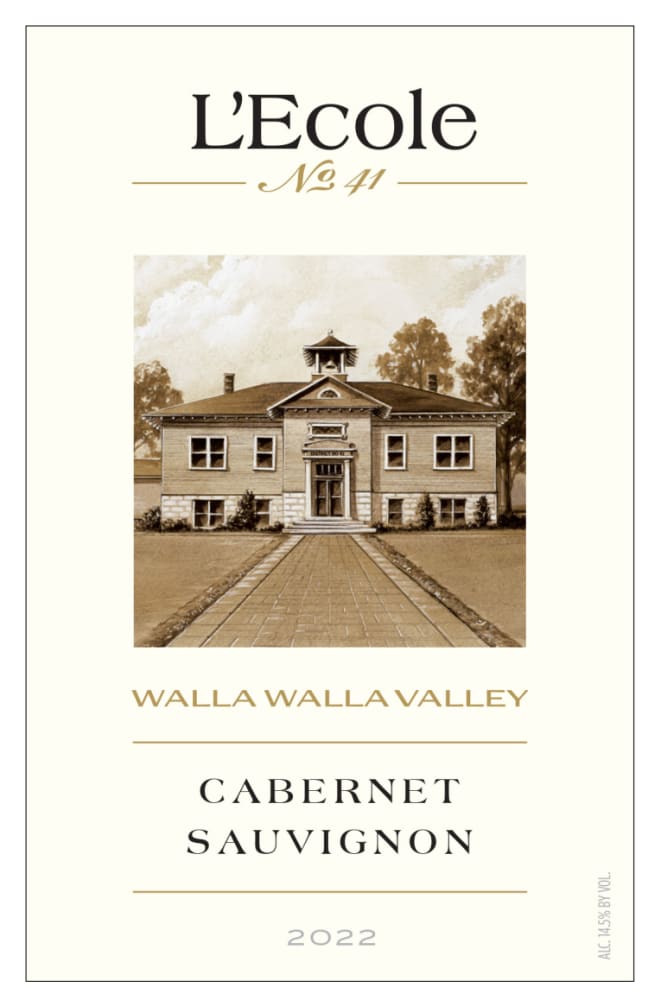
Gather a selection of ripe grapes, ideally those known for their rich flavor profiles, such as Cabernet Sauvignon or Merlot. Aim for around 20 pounds, as this quantity typically yields about one gallon of the final product. Ensure the grapes are free from blemishes and signs of rot, as quality fruit is key to a successful batch.
Once you have your grapes, the next step is to crush them. You can use a clean foot stomp, a potato masher, or a specialized crusher. The goal is to break the skins to release the juice while maintaining some integrity of the pulp. Transfer the crushed mixture, or must, into a fermentation vessel–glass or food-grade plastic works well.

Add sugar if desired, depending on the sweetness level you prefer. A common guideline is to add about 2 to 3 pounds per gallon of juice. Yeast will be your next addition; choose a strain suitable for red varieties, such as Lalvin EC-1118. After mixing, cover the vessel loosely with a cloth to allow gases to escape without letting contaminants in.
Monitor the fermentation process over the next week, stirring daily. You’ll notice bubbling as the yeast converts sugars into alcohol. Once the bubbling subsides, it’s time to press the mixture to separate the liquid from the solids. A simple strainer or cheesecloth can be used for this purpose. The resulting liquid is your young beverage, ready for aging.
Transfer the strained liquid into a clean aging container, ideally an oak barrel or glass carboy. Store in a cool, dark place for at least a few months, allowing flavors to develop and mature. Regularly check for clarity and taste, as this will guide you to the perfect moment for bottling.
Crafting Your Own Red Beverage
Select ripe grapes, ideally varietals like Cabernet Sauvignon or Merlot, for a robust flavor profile. After washing, crush them gently to release the juice and pulp, using a clean container to avoid contamination.
Add natural yeast or utilize the wild yeast present on the grape skins. This initiates fermentation. Cover the mixture with a breathable cloth to allow gases to escape while preventing unwanted pests.
<p.Regularly stir the mash to ensure even fermentation. Monitor the temperature; it should remain between 70°F and 80°F (21°C to 27°C) for optimal results. Fermentation usually takes one to two weeks, evident by bubbling and a change in aroma.
<p.Once fermentation is complete, separate the liquid from the solids using a fine mesh strainer or cheesecloth. Transfer the liquid into a clean fermentation vessel, filling it no more than 75% full to allow for additional fermentation.
Add sulfites to prevent oxidation and spoilage. Seal the vessel with an airlock, allowing gases to escape while keeping the mixture safe from contaminants. Store it in a cool, dark place for aging, which can range from a few months to several years, depending on the desired flavor complexity.
<p.Periodically taste the liquid to assess its development. Once it reaches the preferred taste, bottle the beverage, ensuring each bottle is sanitized to avoid spoilage. Seal tightly and label each bottle with the date.
<p.Store your bottled creation in a cool, dark environment. Allow it to age further before sampling. Enjoy the fruits of your labor responsibly!
Selecting the Right Grapes for Wine Making
Choosing the appropriate varietals is crucial. I typically opt for grapes known for their rich flavor profiles and good acidity. Look for options like Cabernet Sauvignon, Merlot, or Syrah. Each variety brings its own characteristics, impacting taste and aroma.
Factors to Consider
When selecting grapes, consider the following:
| Factor | Description |
|---|---|
| Climate | Grapes thrive in specific climates. Warmer regions produce sweeter fruit. |
| Soil Type | Soil composition affects grape flavor. Look for well-drained soils. |
| Ripeness | Harvest at peak ripeness for optimal sugar and acidity levels. |
| Health of Grapes | Choose grapes free from disease or pests for the best quality. |
Buying Tips
Purchase grapes from reliable sources, such as local vineyards or farmers’ markets. Always taste before buying; good grapes should be sweet with a hint of acidity. If possible, inquire about the vineyard’s practices for additional insights into grape quality.
Essential Equipment for Home Wine Production
Investing in the right tools significantly impacts the fermentation process and final product quality. Here’s a list of necessary items:
- Fermentation Vessel: A food-grade plastic or glass container with an airlock allows carbon dioxide to escape while keeping contaminants out.
- Hydrometer: This tool measures the specific gravity of the liquid, helping track sugar levels before and after fermentation.
- Siphon: A pump or siphoning device aids in transferring liquid between containers without disturbing sediment.
- Bottling Equipment: A bottle filler or funnel simplifies the bottling process. Make sure to have corks and a corker to seal the bottles securely.
- Cleaning Supplies: Sanitizing solutions and brushes are essential for maintaining cleanliness throughout the winemaking process.
- Thermometer: Monitoring the temperature during fermentation helps ensure optimal yeast activity.
These tools form the foundation for crafting quality beverages. Proper maintenance and cleanliness of each item directly influence the end result.
Steps for Crushing and Fermenting Grapes
First, ensure the grapes are clean and free from any debris. Rinse them gently under cool water to remove dirt or insects.
Crushing the Grapes
Proceed with crushing the grapes to release their juice. This can be done using various methods:
- Using a manual grape crusher: This tool allows for controlled crushing, preserving the skins and seeds.
- Using a food processor: For small batches, pulse the grapes until crushed, but avoid pureeing.
- By foot: Traditional stomping can be effective; ensure feet are clean and sanitized.
After crushing, transfer the mixture, known as must, into a fermentation vessel. Leave some space at the top to accommodate foam during fermentation.
Initiating Fermentation
Introduce yeast to the must for fermentation. Choose between:
- Natural yeast: Let the wild yeast present on the grape skins ferment the must.
- Commercial yeast: This option provides consistent results. Follow the package instructions for dosage.
Seal the fermentation container with an airlock to prevent contamination while allowing gases to escape. Maintain a temperature around 70-75°F (21-24°C) for optimal yeast activity.
Monitor the fermentation process daily. You’ll notice bubbling as carbon dioxide is released. This phase typically lasts from a few days to a couple of weeks, depending on conditions and desired flavor profiles.
Once fermentation slows and the bubbling subsides, it’s time for the next phase. Carefully siphon the liquid off the sediment, transferring it to a clean container for aging.
Monitoring Fermentation: Key Indicators to Watch
Pay close attention to the bubbling activity in the fermentation vessel. A consistent, vigorous bubbling indicates that fermentation is actively occurring. If bubbling slows down significantly or stops, it may signal an issue that requires investigation.
Check the temperature of the fermenting liquid regularly. Ideal fermentation temperatures usually range between 70°F to 75°F (21°C to 24°C). Deviations from this range might affect the fermentation process or lead to undesirable flavors.
Monitor the specific gravity using a hydrometer. Initial readings should be taken before fermentation begins, and subsequent readings during fermentation will help track the sugar conversion into alcohol. A steady decline in specific gravity over time suggests active fermentation.
Look for sediment formation at the bottom of the fermentation vessel. As yeast consumes sugar, it produces sediment, which is a normal part of the process. However, excessive sediment may indicate stuck fermentation or yeast problems.
Smell the mixture periodically. A healthy fermentation will have a pleasant, fruity aroma. If you detect off-putting or sulfur-like odors, it could indicate spoilage or issues with the yeast.
Finally, taste a small sample. This allows for monitoring of flavor development and helps identify any off-flavors early in the process. Adjustments can be made if necessary, but be cautious not to disturb the fermentation too much.


