Chuck Furuya
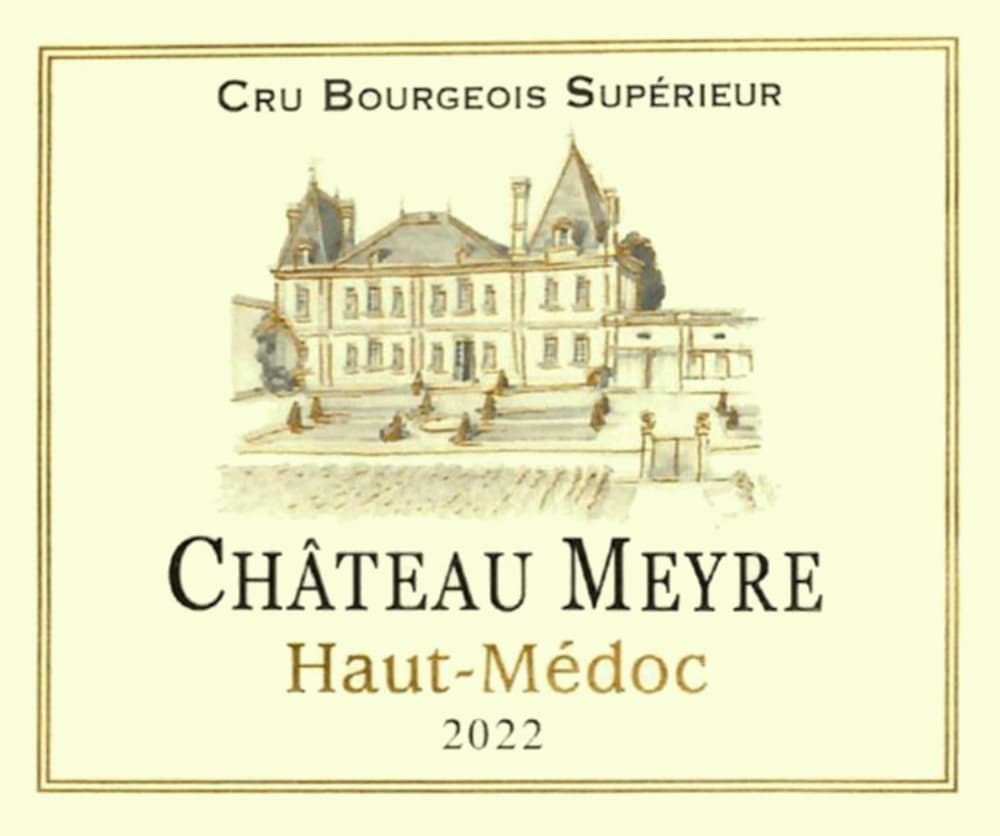


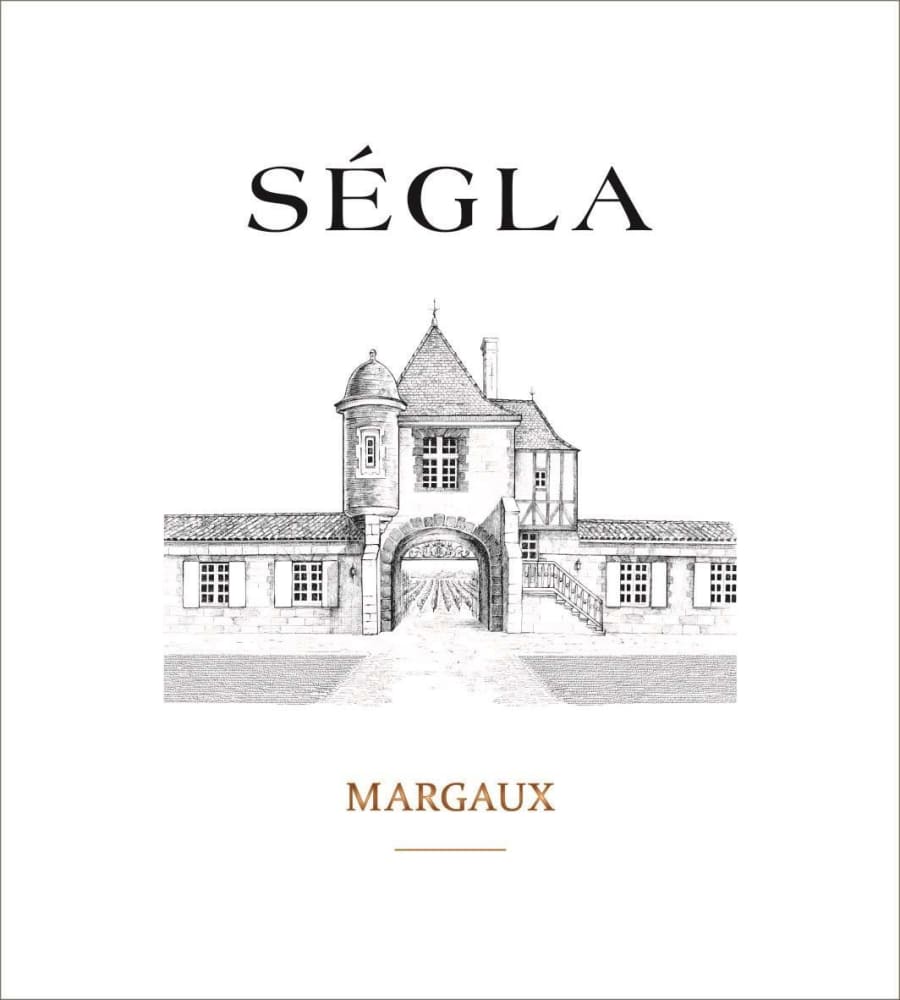
The region renowned for crafting solely red Bordeaux varietals is none other than the prestigious Médoc. This area, situated to the west of the Gironde estuary, is celebrated for its illustrious châteaux and exceptional terroirs that yield some of the finest red wines in the world.
In Médoc, the dominant grape varieties include Cabernet Sauvignon, Merlot, and Cabernet Franc, which together create complex and structured blends. The appellations here, such as Margaux, Pauillac, and Saint-Estèphe, each bring their unique character and flavor profile, influenced by the distinct soils and microclimates of the region.
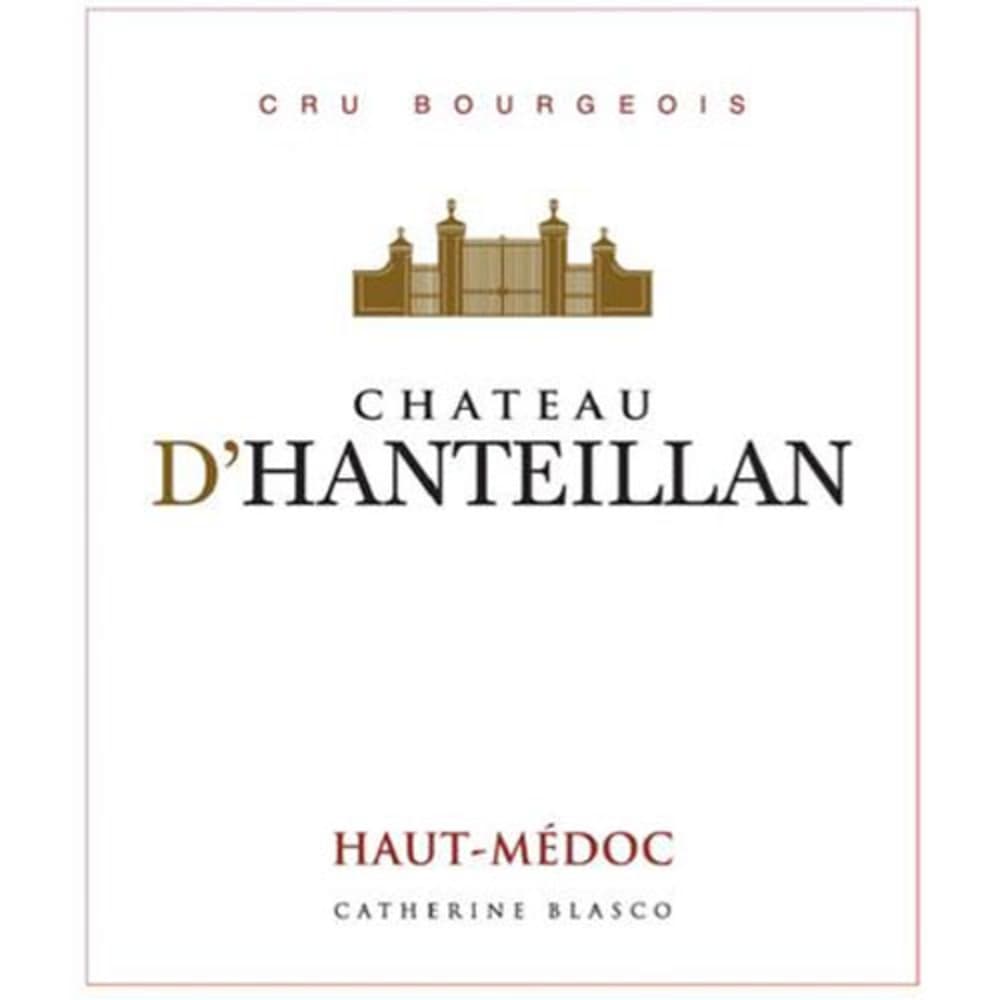
If you seek to explore the pinnacle of red Bordeaux, I recommend focusing on these key appellations. The wines from this locality not only embody tradition but also exhibit remarkable aging potential, making them a worthy addition to any collection or special occasion.
Specific Region for Exclusive Red Varietals
For aficionados seeking a distinctive experience, the Médoc region stands out as a prime source of only red varietals. This prestigious area is renowned for its exceptional Cabernet Sauvignon, Merlot, and Petit Verdot blends. Notable sub-regions, such as Pauillac, Saint-Estèphe, and Margaux, highlight the character and complexity of these offerings.
Key Characteristics
The terroir here, characterized by gravelly soil and a temperate climate, plays a significant role in defining the profile of the varietals. The long growing season allows for optimal ripening, leading to wines with robust tannins and rich fruit flavors. This combination results in age-worthy bottles that can develop further complexity over time.
Must-Try Producers
I recommend exploring renowned châteaux such as Château Lafite Rothschild, Château Latour, and Château Margaux. Each estate presents a unique interpretation of the regional characteristics, showcasing the diversity within the red spectrum. Consider sampling vintages from these producers to fully appreciate the depth and nuances they offer.
Identifying the Exclusive Red Bordeaux Regions
The commune of Pauillac stands out for its singular focus on producing top-quality dark varietals. Renowned vineyards such as Château Lafite Rothschild, Château Latour, and Château Mouton Rothschild exemplify the excellence of this region.
Another notable location is Saint-Estèphe, known for its robust and structured offerings. Wineries like Château Cos d’Estournel and Château Montrose highlight the strength and longevity of the wines crafted here.
Moving south, the commune of Margaux is celebrated for its elegance and finesse. The iconic Château Margaux showcases the region’s ability to produce wines with complexity and depth.
| Region | Notable Wineries | Characteristics |
|---|---|---|
| Pauillac | Château Lafite Rothschild, Château Latour, Château Mouton Rothschild | Rich, full-bodied, and age-worthy |
| Saint-Estèphe | Château Cos d’Estournel, Château Montrose | Powerful, structured, and complex |
| Margaux | Château Margaux | Elegant, refined, with floral notes |
These regions encapsulate the essence of dark varietal production in the area, each with distinct profiles and strengths. Understanding these specific communes is key for any enthusiast looking to explore the nuances of this celebrated wine tradition.
Key Grape Varieties in the Left Bank
The primary grape varieties that thrive in this prestigious region are Cabernet Sauvignon, Merlot, Cabernet Franc, and Petit Verdot. Each of these grapes contributes distinct characteristics to the profile of the wines crafted here.
Cabernet Sauvignon, the dominant variety, is known for its rich tannins, deep color, and notes of blackcurrant and cedar. It often forms the backbone of the blends produced. Meanwhile, Merlot offers a softer, fruitier profile, adding smoothness and roundness, with flavors of plum and chocolate.
Cabernet Franc is less prevalent but brings finesse and aromatic complexity, often presenting notes of herbs and red fruits. Petit Verdot, though used in smaller quantities, adds depth and color, enhancing the overall structure with its bold presence.
Focusing on these varietals provides insight into the terroir’s influence on flavor and aging potential. The interplay of these grapes creates a balance that is characteristic of the region, allowing for a diverse range of expressions while maintaining a signature style.
Wine Production Techniques Unique to the Area
Fermentation practices in this region often involve small, temperature-controlled stainless steel tanks that allow for precise management of the fermentation process. This approach enhances the extraction of color and flavor, resulting in wines with depth and complexity.
Another distinctive method is the use of oak barrels during aging, specifically French oak, which imparts subtle vanilla and spice notes. The barrels are typically medium-toast, providing a balance of tannins and aromatic influence without overwhelming the fruit characteristics.
Additionally, meticulous vineyard management is vital. Grapes undergo rigorous sorting to ensure only the highest quality fruit is selected for vinification. This focus on quality extends to practices like green harvesting, where excess clusters are removed early in the season to concentrate flavors in the remaining grapes.
Blending is a hallmark of the winemaking process here. Different varietals are combined post-fermentation to create a harmonious final product, allowing for the expression of terroir while maintaining the distinct character of each grape variety involved.
Lastly, the use of malolactic fermentation is commonplace, softening the acidity and enhancing the mouthfeel of the final product. This technique adds a layer of complexity that complements the fruit-forward nature of the wines, resulting in a rounded, elegant profile.
Climate and Terroir Influencing Flavor Profiles
The unique climate and soil characteristics of this region significantly shape the flavor profiles of the local varietals. The maritime climate, influenced by the nearby Atlantic Ocean, brings moderate temperatures and sufficient rainfall. This results in an extended growing season, allowing grapes to ripen slowly, developing complex flavors and balanced acidity.
Key elements of terroir include:
- Soil Composition: A mix of gravel, clay, and limestone contributes to excellent drainage while retaining essential moisture, which is vital during dry spells.
- Microclimates: Variations in elevation and proximity to the river create distinct microclimates within the region, impacting the ripening process and flavor concentration.
- Sun Exposure: South-facing slopes maximize sunlight, enhancing the ripeness and sugar levels in the grapes, crucial for achieving desired flavor intensity.
The interplay of these factors leads to wines with rich tannins, deep fruit flavors, and the potential for aging. The expression of terroir is evident in each bottle, reflecting the unique characteristics of the environment in which the grapes are grown.
When tasting, expect to find:
- Notes of dark fruits such as blackcurrant and plum.
- Subtle earthy undertones, often attributed to the soil.
- Spicy nuances from oak aging, adding complexity to the profile.
Understanding these elements enhances appreciation and informs choices when selecting bottles from this esteemed region.
Notable Wineries and Their Signature Wines
My exploration of renowned producers in this prestigious region highlights several outstanding establishments known for their exceptional offerings.
Château Lafite Rothschild
This iconic estate is celebrated for its elegant and complex vintages, primarily crafted from Cabernet Sauvignon. The hallmark wine, Château Lafite Rothschild, showcases a balance of dark fruit, cedar, and subtle floral notes, with the ability to age gracefully for decades.
Château Latour
Another gem, Château Latour, is characterized by its powerful structure and depth. The Grand Vin, Château Latour, exhibits rich blackberry, plum, and earthy undertones, often complemented by a robust tannin profile, making it a favorite among collectors.
Château Mouton Rothschild
Famed for its artistic labels and opulent style, Château Mouton Rothschild produces wines that are both approachable and complex. The flagship wine typically features a blend that includes a significant portion of Cabernet Sauvignon, with layers of blackcurrant, spice, and a touch of vanilla.
Château Margaux
Château Margaux stands out for its finesse and aromatic complexity. The estate’s flagship wine reveals notes of raspberry, violet, and a hint of tobacco, making it an exquisite choice for those who appreciate elegance in their glass.
Château Palmer
Known for its innovative approach, Château Palmer creates memorable blends that often incorporate Merlot alongside Cabernet Sauvignon. The resulting wines, such as Château Palmer, showcase a rich palate of cherry, chocolate, and herbal nuances.
Other Noteworthy Estates
- Château Pichon Longueville Baron – Renowned for its powerful and structured offerings.
- Château Cos d’Estournel – Famous for its exotic character and complexity.
- Château Léoville Las Cases – Known for its age-worthy and robust style.
These establishments not only exemplify the craftsmanship inherent to this region but also provide a diverse array of styles and flavors that appeal to various palates. Each visit or tasting offers a glimpse into the artistry and dedication that define their exceptional creations.
Understanding Appellations and Their Regulations
Focusing on specific designations, I identify the stringent laws governing wine production in distinct regions. These regulations dictate everything from permissible grape varieties to vineyard practices, ensuring quality and consistency.
For instance, the classification system in the region establishes tiers, with Premier Cru and Grand Cru ranking among the highest. Each classification has specific criteria that wineries must meet, including yield limits and aging requirements. This guarantees that consumers receive a product that adheres to rigorous standards.
Beyond grape selection, winemaking techniques are also regulated. Each production method, from fermentation to aging, must align with established norms, which often include using traditional oak barrels or specific fermentation temperatures to enhance flavor profiles.
Attention to vineyard management is another critical element. Regulations may require sustainable practices, such as organic farming or minimal intervention, to preserve terroir integrity. This emphasis on responsible cultivation impacts the final taste of the product, reflecting the unique characteristics of the region.
In addition, labeling laws ensure transparency for consumers. Each bottle must clearly display its origin, vintage, and classification, allowing buyers to make informed choices. Understanding these regulations enhances appreciation for the craftsmanship involved in creating exceptional products.