Chuck Furuya
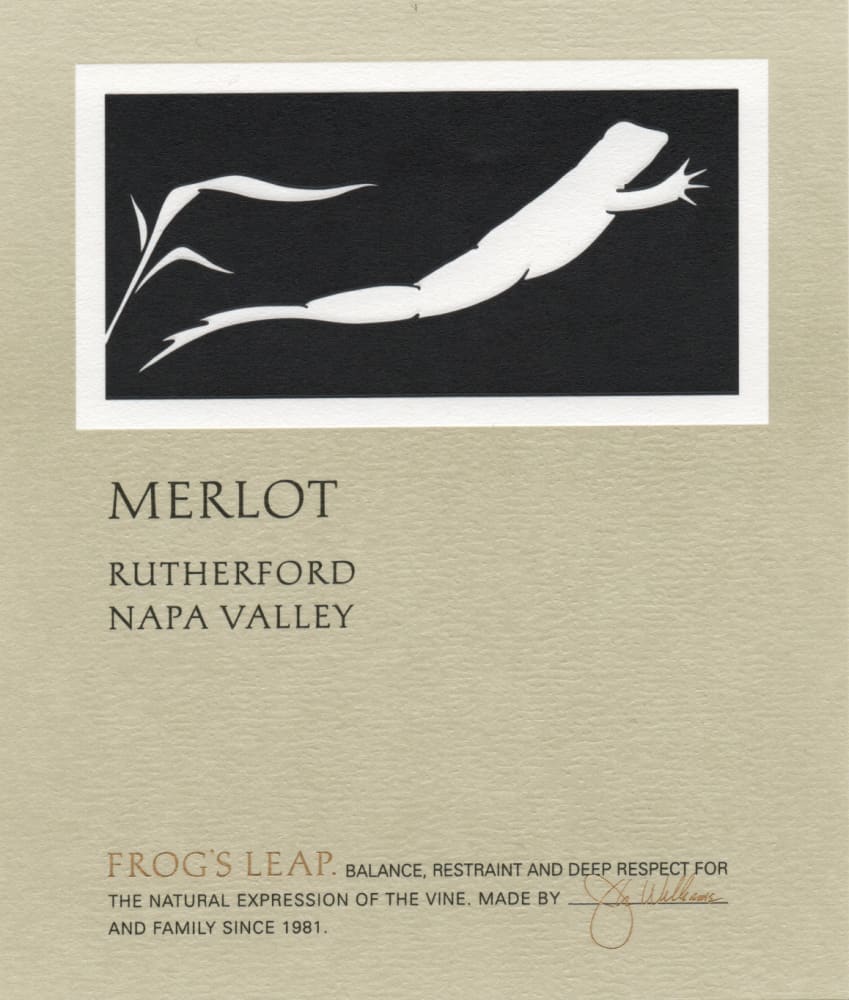
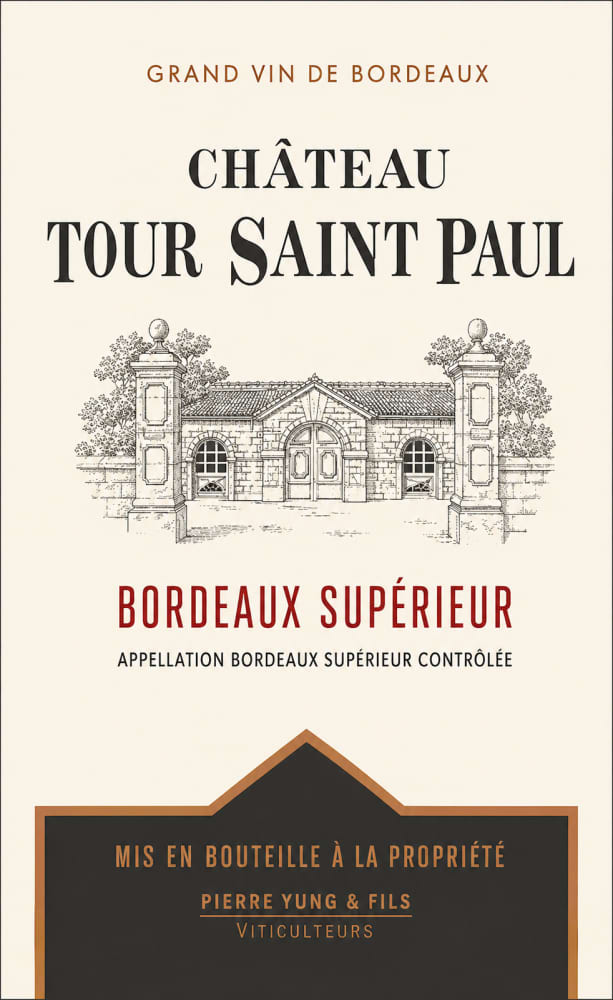
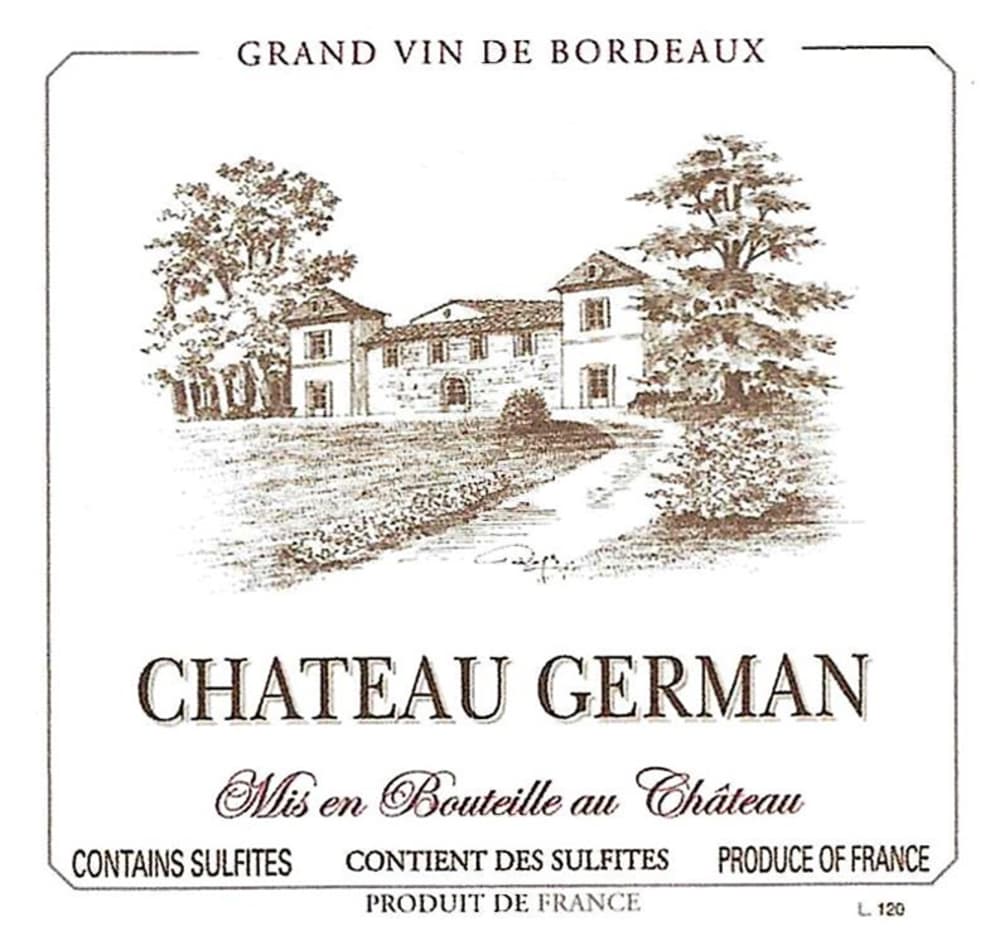

When exploring the luxurious world of fine beverages, I often recommend Merlot as a standout option synonymous with exquisite French heritage. This varietal, cherished for its smooth texture and rich flavors, often shares the limelight with its Bordeaux counterparts.
Merlot typically presents a delightful blend of dark fruit notes, such as plum and blackberry, complemented by gentle tannins. Its versatility makes it an ideal choice for both casual dinners and grand celebrations, seamlessly pairing with a variety of dishes.
In addition to its approachable profile, this grape thrives in various terroirs, allowing winemakers to express regional characteristics. Whether sourced from the left bank or the right bank of the famed region, Merlot consistently delivers a refined experience that appeals to both novices and aficionados alike.
Identifying the Varietals in Red Bordeaux Wines
To accurately identify the varietals in a classic French red blend, focus on the primary grapes: Cabernet Sauvignon, Merlot, and Cabernet Franc. Each varietal contributes distinct characteristics to the final product, which helps in recognizing the composition of the blend.
Cabernet Sauvignon
This grape is known for its bold tannins, dark fruit flavors, and strong structure. When tasting, I typically notice notes of blackcurrant, plum, and sometimes hints of green bell pepper. Aged versions often exhibit complex layers of tobacco, leather, and cedar. Identifying this varietal is crucial, as it often forms the backbone of the blend.
Merlot
In contrast to Cabernet Sauvignon, this grape offers a softer profile with rounder tannins. Flavors of cherry, chocolate, and herbal notes are common. Recognizing Merlot involves looking for a smoother mouthfeel and a fruit-forward approach, which balances the intensity of Cabernet Sauvignon. This balance is key in many blends from the region.
Cabernet Franc, while less dominant, adds finesse and aromatic complexity. I often detect floral and herbal nuances, alongside red fruit flavors. Its presence can enhance the overall elegance of the blend, making it an important varietal to consider when assessing these wines.
Understanding the Influence of Terroir on Bordeaux Characteristics
To appreciate the unique qualities of wines from this renowned region, I focus on the concept of terroir, which encompasses soil composition, climate, and topography. Each element plays a significant role in shaping the character of the beverages produced here.
Soil Types
The diverse soils of the area significantly contribute to the flavor profiles. Key soil types include:
- Gravel: Found in the Médoc, it promotes excellent drainage and is ideal for Cabernet Sauvignon.
- Clay: Present in areas like Saint-Émilion, it retains moisture, benefiting Merlot grapes.
- Limestone: Enhances acidity and minerality, commonly found in Pomerol and parts of the Right Bank.
Climate Variability
The maritime climate influences the growing season, with mild winters and warm summers. This climate pattern allows for:
- Longer ripening periods, ensuring optimal sugar and phenolic development in grapes.
- Protection against frost due to proximity to the Atlantic Ocean, enhancing consistency in quality.
In conclusion, understanding terroir reveals why wines from this area exhibit distinct characteristics. Each bottle tells a story shaped by its environment, making exploration of these factors essential for anyone seeking a deeper appreciation of the craft.
Pairing Suggestions for Red Bordeaux Wines
Rich and structured, this varietal complements hearty dishes exceptionally well. I recommend pairing it with grilled lamb chops seasoned with rosemary and garlic. The herbal notes in the lamb enhance the wine’s complexity.
Another excellent match is a classic beef bourguignon. The umami from the slow-cooked beef harmonizes beautifully with the tannins present in the bottle, creating a delightful balance.
For a vegetarian option, consider a mushroom risotto. The earthy flavors of the mushrooms elevate the wine’s profile, making each sip a pleasure.
If you’re in the mood for cheese, opt for aged cheddar or a creamy blue cheese. The richness of these cheeses complements the wine’s fruitiness, while their saltiness enhances its depth.
For a lighter fare, roasted duck with a cherry glaze works wonderfully. The sweetness of the glaze brings out the fruity notes of the drink, creating a harmonious pairing.
Finally, dark chocolate desserts can serve as a decadent conclusion. The bitterness of the chocolate contrasts with the wine’s sweetness, providing an indulgent finish to any meal.