Chuck Furuya
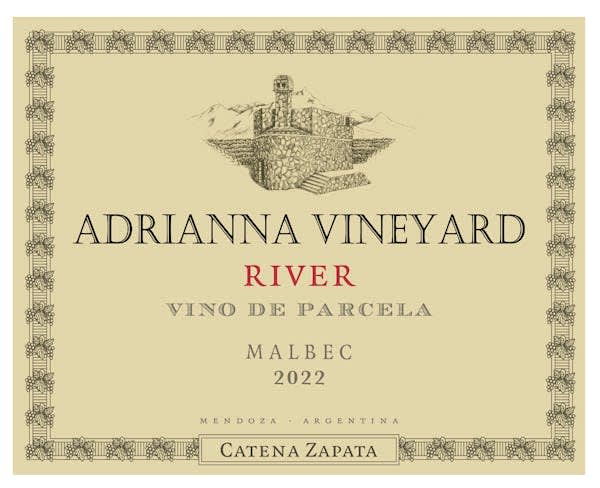


I recommend exploring the exquisite regions of France, particularly Bordeaux and Burgundy. These areas have long been celebrated for their exceptional varietals, with a history steeped in viticulture that dates back to Roman times. The terroir, a unique combination of climate, soil, and topography, contributes significantly to the distinctive characteristics of the beverages produced here.
Italy also boasts a rich heritage of producing these robust beverages, especially in regions like Tuscany and Piedmont. Sangiovese and Nebbiolo are among the prominent grapes that thrive in these locales, reflecting the diverse climate and geological conditions that enhance their flavors.
Spain, particularly the Rioja and Ribera del Duero regions, offers another fascinating perspective. Tempranillo reigns supreme here, showcasing the influence of traditional aging methods in oak barrels, which impart complex flavors and aromas to the finished product.
Exploring these historical regions not only provides insight into the craftsmanship behind each bottle but also reveals the cultural significance that these beverages hold in their respective societies. Each sip tells a story, connecting drinkers to the land and its people.
Where the Vivid Beverage Comes From
The roots of this popular fermented drink can be traced back to the ancient civilizations of the Caucasus region, specifically modern-day Georgia, where archaeological evidence suggests that grape cultivation and fermentation began over 8,000 years ago. This area is often considered one of the birthplaces of viniculture.
Key Regions of Early Development
Several influential regions contributed significantly to the evolution of this beverage:
- Georgia: Known for its qvevri method of fermentation, where grapes are buried in clay jars.
- Italy: The Etruscans were early adopters, and regions like Tuscany and Piedmont became iconic for their varietals.
- France: Bordeaux and Burgundy emerged as leaders in production and quality, setting standards for many others.
- Spain: Regions like Rioja and Ribera del Duero introduced unique styles and aging methods.
Modern Influence and Global Spread
Over centuries, exploration and trade facilitated the spread of this drink across Europe and eventually to the New World. Today, countries such as Australia, Chile, and South Africa have established their own distinct identities in the production of this beloved beverage.
Understanding the historical significance and the regions that shaped its development can enhance appreciation for this complex and diverse libation.
The Historical Roots of Red Wine Production
Understanding the beginnings of this beverage reveals its deep connection to ancient civilizations. The earliest evidence of grape cultivation and fermentation dates back to around 6000 BC in the region now known as Georgia. Archaeological findings suggest that local inhabitants were producing a fermented drink from grapes, a practice that laid the groundwork for future generations.
Moving forward, around 3000 BC, the Egyptians began to incorporate this beverage into their culture, utilizing it in religious rituals and as a staple in their daily diet. The Greeks further advanced production techniques, introducing the concept of aging, which significantly enhanced the flavor profile. They also established vineyards across their colonies, spreading the practice throughout the Mediterranean.
The Roman Influence
The Romans played a pivotal role in the expansion of grape cultivation. By the 1st century AD, they had established extensive vineyards across their empire, including regions in modern-day France, Spain, and Italy. Their meticulous approach to viticulture and fermentation techniques set standards that would influence wine production for centuries.
Medieval to Modern Transition
During the Middle Ages, monasteries became centers for cultivation and production, preserving the knowledge and techniques passed down through generations. The Renaissance sparked renewed interest in viticulture, leading to the establishment of renowned vineyards that still exist today. By the 19th century, technological advancements transformed production methods, paving the way for the modern industry.
Today, the legacy of these early practices continues, with a diverse range of varieties and styles that reflect the rich history of this cherished beverage. The journey from ancient origins to contemporary production showcases the enduring appeal and cultural significance of this age-old craft.