Chuck Furuya

For an authentic taste of Italy, I recommend exploring this Sangiovese-based beverage from the Tuscany region. It offers a robust profile with bright acidity, making it an excellent companion for a variety of dishes, especially tomato-based sauces and grilled meats.
This particular selection is known for its cherry and plum flavors, often accompanied by earthy notes and hints of herbs. The aging process typically takes place in oak barrels, which adds complexity and subtle spice to the final product. Look for labels indicating “Chianti Classico” for a more refined experience, as these wines originate from a historic sub-region and meet stricter production standards.
When pairing, I find that its structure complements rich foods beautifully. A glass of this Tuscan delight can elevate a simple pasta dish or enhance the flavors of a charcuterie board. For those new to this varietal, consider starting with a younger vintage to appreciate its fresh fruit character before exploring more aged options.
Characteristics of Chianti
Chianti, originating from Tuscany, primarily features Sangiovese grapes. This varietal lends the beverage its distinctive tart cherry flavor, complemented by earthy undertones and herbal notes. I often appreciate its bright acidity, making it a versatile choice with various dishes.
When selecting a bottle, note the classification system which includes Chianti, Chianti Classico, and Chianti Riserva. The latter indicates a higher quality, with stricter aging requirements and a more complex flavor profile.
- Chianti: Typically lighter and more fruity, ideal for casual drinking.
- Chianti Classico: Offers deeper flavors, often with hints of plum and spice, perfect with Italian cuisine.
- Chianti Riserva: Aged longer, providing richer complexities and enhanced aromas, suited for special occasions.
The ideal serving temperature is around 60-65°F (15-18°C), which enhances its aromatic qualities. Pair it with grilled meats, pasta in tomato sauce, or aged cheeses to elevate the tasting experience.
Choosing a bottle labeled “DOCG” ensures adherence to strict production standards, assuring quality and authenticity. I find that exploring different producers can reveal unique interpretations of this classic Italian beverage.
Understanding Chianti’s Grape Varieties
Primarily, Sangiovese dominates the blend, contributing acidity and cherry notes, making it the backbone of many Chianti selections. This grape thrives in Tuscany’s climate, showcasing the region’s terroir effectively.
Other Notable Grapes
Alongside Sangiovese, other varietals play supporting roles, enhancing complexity:
| Grape Variety | Characteristics |
|---|---|
| Canaiolo | Provides smoothness and fruity aromas, softening the overall profile. |
| Colorino | Adds depth and color, often used in smaller percentages. |
| Merlot | Brings roundness and richness, balancing acidity with plush fruit flavors. |
| Cabernet Sauvignon | Adds structure and tannins, often lending a modern touch to the blend. |
Blend Ratios
The legal requirements for Chianti stipulate that Sangiovese must compose at least 70% of the blend. The remaining 30% can include the aforementioned varietals, allowing for unique expressions. Understanding these proportions can guide consumers in selecting bottles that align with their preferences.
Regions of Chianti Production
For anyone interested in the origins of this flavorful beverage, the Chianti production areas are paramount. The primary zone is the Chianti Classico region, which lies between Florence and Siena. This area is recognized by its black rooster seal, a symbol of quality.
Within Chianti Classico, you will find several noteworthy sub-zones:
- Greve in Chianti
- Radda in Chianti
- Gaiole in Chianti
- Castellina in Chianti
Each of these areas offers distinct characteristics influenced by microclimates and soil types. For example, Radda is known for its high altitude, leading to wines with greater acidity and elegance. In contrast, Greve tends to produce more fruit-forward expressions.
Beyond Classico, the broader Chianti region encompasses several other zones:
- Chianti Colli Fiorentini
- Chianti Colli Senesi
- Chianti Rufina
- Chianti Montalbano
Chianti Colli Senesi often delivers robust and intense flavors, while Rufina is recognized for its finesse and aging potential. Exploring these regions reveals the diversity and complexity available in each bottle.
Visiting these areas provides an opportunity to experience the local culture and traditions, enriching the understanding of this remarkable beverage. Tasting sessions in wineries allow for direct comparison between the different terroirs, enhancing appreciation for the nuances present in each selection.
Tasting Notes and Flavor Profile of Chianti
Upon tasting, I immediately notice the bright acidity that defines this Italian classic. The initial sip reveals a medley of cherry and plum, creating a refreshing fruit-forward experience. As it opens up, subtle earthy undertones emerge, accompanied by hints of dried herbs and leather, adding depth to the palate.
Texture and Structure
The mouthfeel is medium-bodied, with well-integrated tannins that provide a gentle grip. This structure makes it versatile for pairing with a variety of dishes, from pasta to grilled meats. The finish is often marked by a lingering spiciness, reminiscent of black pepper and clove, which enhances the overall complexity.
Serving Suggestions
For optimal enjoyment, I recommend serving at a slightly cooler temperature, around 60-65°F (15-18°C). This allows the flavors to shine without being overwhelmed by warmth. Pairing it with traditional Italian fare, such as a rich Bolognese or aged cheeses, elevates the tasting experience.
Food Pairing Suggestions for Chianti
For an exceptional dining experience, I recommend pairing this delightful Italian varietal with traditional Tuscan dishes. Consider serving it alongside a rich ragu alla bolognese, where the acidity complements the meat sauce beautifully.
Pasta Dishes
Opt for pasta dishes featuring tomato-based sauces, such as spaghetti pomodoro or penne arrabbiata. The wine’s natural acidity balances the richness of the tomatoes, enhancing each bite.
Cheese and Charcuterie
A well-curated cheese and charcuterie board is a perfect match. Include aged Parmigiano-Reggiano, Pecorino Romano, and cured meats like prosciutto or salami. The savory and salty notes create a harmonious pairing with the wine’s fruitiness.
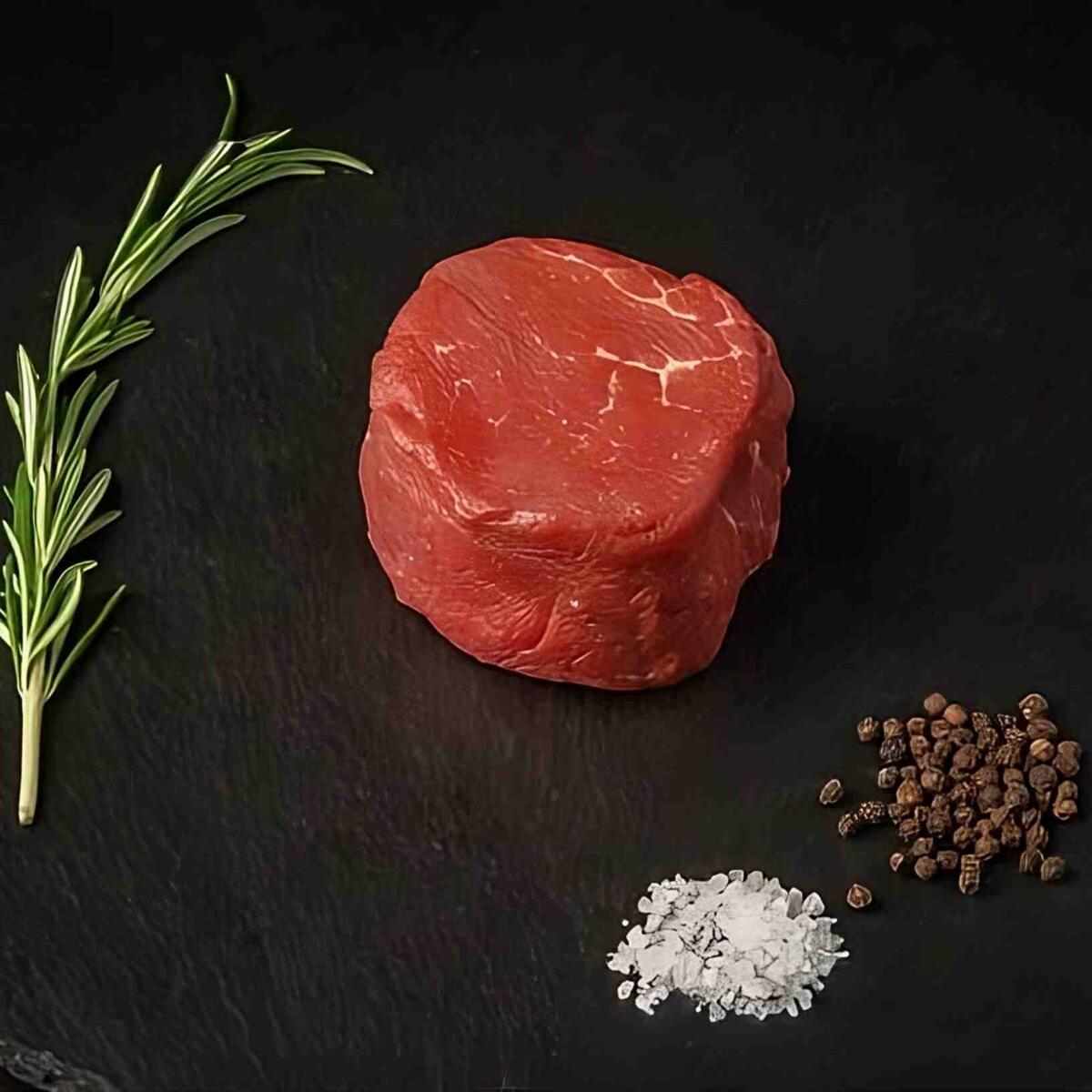
For a heartier option, grilled or roasted meats, particularly lamb or beef, shine alongside this varietal. The wine’s tannins and acidity stand up to the bold flavors, ensuring a satisfying meal.
Vegetarian dishes also work well. Try mushroom risotto or roasted vegetable tart, where the earthy notes of the vegetables resonate with the wine’s profile.
For dessert, consider dark chocolate or berry-based treats. A chocolate torte or mixed berry tart can create a delightful end to your meal, as the wine’s fruit notes complement the sweetness.