Chuck Furuya

For those seeking a robust experience, I recommend indulging in a Cabernet Sauvignon. This varietal often boasts high tannin levels and significant alcohol content, typically ranging from 13.5% to 15%. Its deep flavors of dark fruits, such as blackcurrant and blackberry, combined with a backbone of oak and spice, create a rich and satisfying sip.
If you’re intrigued by something with even more intensity, consider a Zinfandel. Known for its jammy fruit characteristics and higher alcohol percentages, often exceeding 15%, Zinfandel offers a delightful complexity with notes of black cherry, plum, and pepper, leaving a lasting impression on the palate.
Another exceptional choice is Syrah, particularly those from regions like the Rhône Valley. With alcohol levels that can reach 14% to 15%, this varietal presents a full-bodied experience, featuring flavors of dark berries, licorice, and smoky undertones that create a captivating tasting journey.
Each of these selections embodies unique qualities, ensuring that every sip delivers a powerful and memorable experience, perfect for those who appreciate depth and richness in their glass.
Identifying High-Alcohol Red Wines: Key Varietals to Consider
For those seeking potent options, certain grape varieties stand out due to their natural sugar content and fermentation process, leading to higher alcohol levels.
- Zinfandel: Known for rich fruit flavors, Zinfandel often reaches alcohol levels between 14% and 16%. Look for Californian producers for robust examples.
- Syrah/Shiraz: This varietal can produce wines with alcohol content ranging from 14% to 15.5%. Regions like Barossa Valley in Australia are renowned for their bold expressions.
- Cabernet Sauvignon: Typically clocking in at 13.5% to 15%, this classic grape thrives in warmer climates like Napa Valley, delivering intense flavors and body.
- Malbec: Originating from Argentina, Malbec frequently has an alcohol percentage between 13.5% and 15%. Its dark fruit and spice notes make it a favorite for those who enjoy full-bodied pours.
- Petite Sirah: With alcohol levels often exceeding 14%, this variety offers a deep, tannic experience, making it a great choice for lovers of powerful wines.
- Tempranillo: Commonly found in Spanish wines, this grape can yield alcohol levels of 13.5% to 15%. Look for Reserva or Gran Reserva labels for more concentrated styles.
When selecting a bottle, check the label for alcohol content; it’s often a reliable indicator of intensity and richness. Higher percentages usually correlate with bolder, more robust profiles, appealing to those who appreciate a commanding sip.
Understanding the Influence of Terroir on Wine Strength
Terroir significantly impacts the potency of beverages crafted from grapes. Soil composition, climate, and local traditions all contribute to the alcohol levels and overall character of a particular vintage. For instance, regions with warmer climates, such as Napa Valley or Barossa Valley, typically produce varietals with higher alcohol content due to the increased sugar accumulation in the grapes during ripening.
High-density planting and specific vineyard management techniques also play a role. In areas where vines are closely spaced, competition for resources can lead to more concentrated flavors and sugars, resulting in stronger beverages. Additionally, winemakers can choose to harvest later, allowing grapes to reach optimal ripeness, which enhances alcohol levels.
Soil types, such as clay or limestone, can affect drainage and nutrient availability, influencing vine growth and grape maturity. Clay retains moisture, which can lead to richer, more robust flavors, while limestone can impart a unique minerality that balances strength with finesse.
Elevation is another critical factor. Vineyards at higher altitudes often experience cooler temperatures at night, allowing grapes to retain acidity while still achieving high sugar levels during the day. This balance contributes to more complex profiles and can lead to higher alcohol content without sacrificing taste.
Understanding these elements of terroir helps identify regions more likely to produce potent varietals. For those seeking bold experiences, exploring wines from warmer climates or higher elevations can yield satisfying results, showcasing how place shapes the essence of each bottle.
Evaluating Alcohol Content: How to Read Wine Labels Accurately
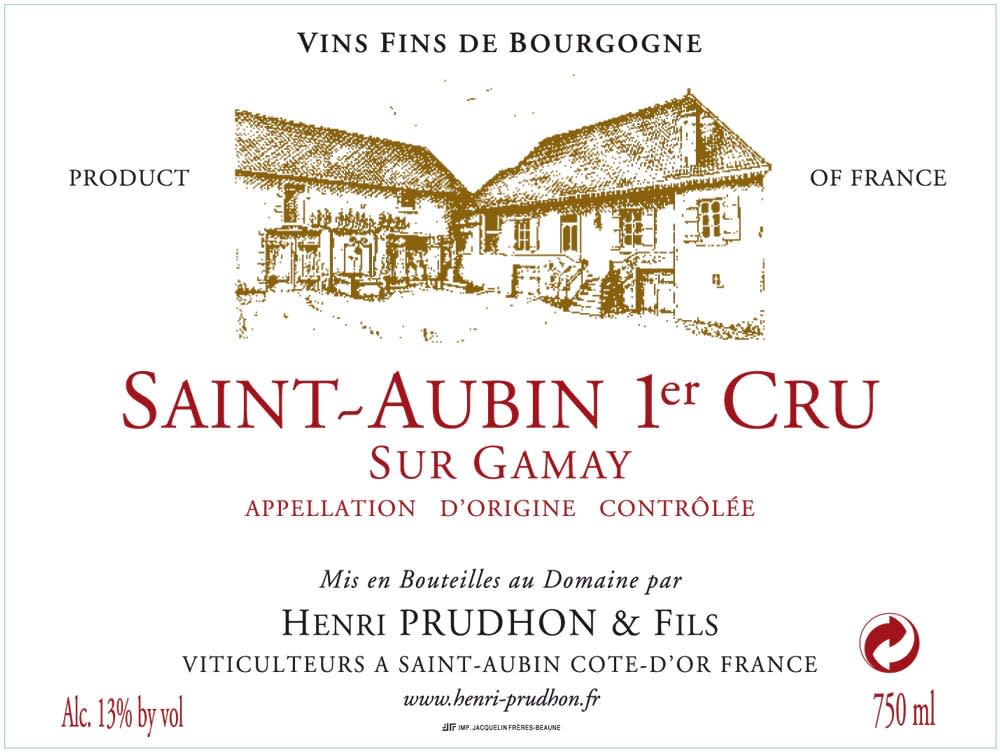
To determine alcohol content, focus on the alcohol by volume (ABV) percentage displayed on the bottle. This figure, typically found on the back label, indicates the proportion of alcohol in relation to the total volume of the beverage. A higher ABV signifies a stronger beverage. For robust options, look for wines with ABV percentages exceeding 14%. Many full-bodied varieties, like Zinfandel or Syrah, often reach these levels.
Label Insights
Beyond ABV, examine other details on labels. Terms such as “reserve” or “late harvest” may indicate higher sugar levels, which can influence perceived strength. Additionally, origin plays a role; wines from warmer climates usually achieve greater ripeness and consequently higher alcohol levels. Checking the vintage can also provide clues, as warmer years often yield more potent grapes.
Research and Recommendations
Conducting a bit of research on specific brands or regions can enhance your selection process. Websites and apps dedicated to wine ratings often include ABV information and user reviews, allowing for informed choices. When in doubt, ask staff at local shops or wineries for recommendations on high-ABV selections that suit your palate.