Chuck Furuya

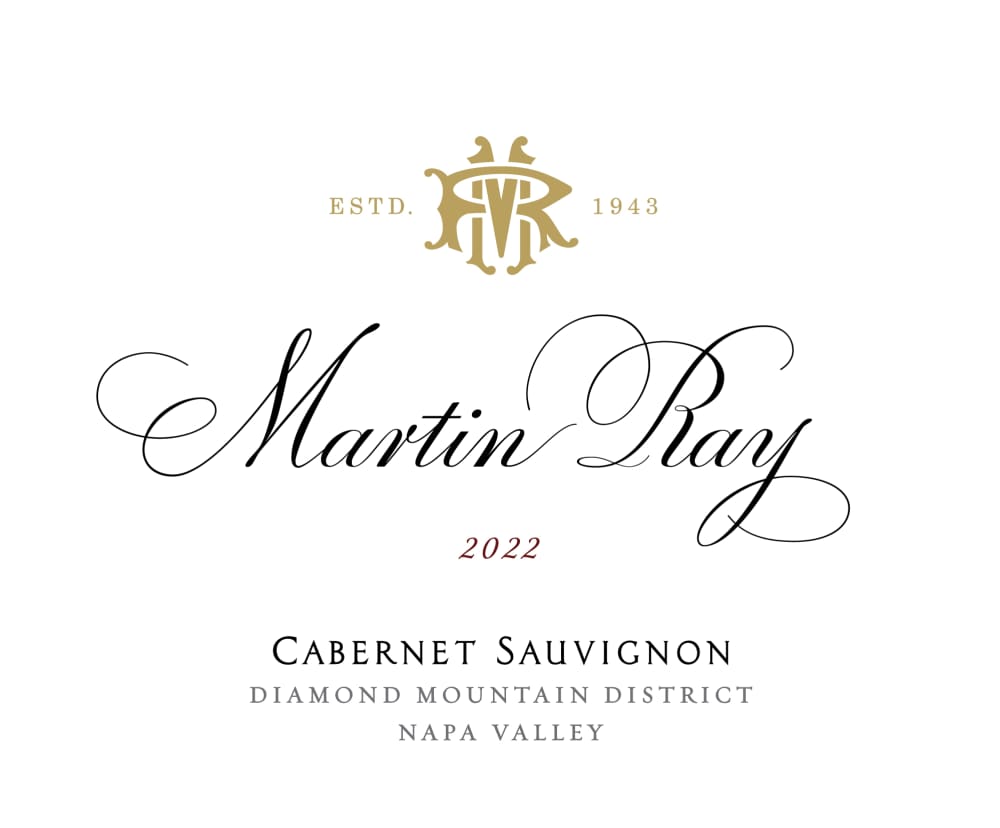

If you’re looking to refine your palate or select a bottle for a special occasion, I recommend focusing on Cabernet Sauvignon as a distinct varietal. This grape is renowned for its bold structure and complex flavor profile, often featuring notes of dark fruits, herbs, and a touch of oak. When choosing a Cabernet, consider its origin; wines from regions like Napa Valley or Bordeaux showcase unique terroirs that influence taste and aroma.
In contrast, other types of crimson beverages may present a more diverse range of flavors, depending on their grape composition. These drinks can vary dramatically in sweetness, acidity, and body. If you prefer something lighter, exploring blends or varietals like Pinot Noir might be beneficial. However, for a full-bodied experience, a well-aged bottle of Cabernet is often unmatched.
Take into account aging potential as well. Many Cabernets improve significantly with time, allowing flavors to meld and develop further complexity. Pay attention to tannin levels, as they can indicate how well the bottle will age. For those new to wine tasting, engaging with a knowledgeable sommelier can provide insights into specific bottles and pairings that enhance the overall experience.
Understanding the Basics of Red Wine
To truly appreciate this beverage, I focus on key elements such as grape varieties, fermentation processes, aging techniques, and flavor profiles. Different grape types contribute unique characteristics; for example, some yield fruity notes, while others may provide earthy undertones. I recommend exploring diverse varietals to identify personal preferences.
Fermentation plays a pivotal role in transforming grape juice into a drink. Yeast converts sugars into alcohol, resulting in various styles. Temperature control during fermentation influences flavor development; cooler conditions often enhance fruitiness, while warmer temperatures can lead to more robust flavors. I find that experimenting with fermentation methods can lead to delightful discoveries.
Aging techniques also significantly impact taste. Barrels made from oak introduce tannins, which add complexity. Time spent in barrel versus bottle influences maturation, affecting texture and flavor nuances. I suggest tasting wines at different ages to grasp how they evolve over time.
Flavor profiles are multifaceted, encompassing aromas, taste, and mouthfeel. Notes can range from berries and cherries to spices and herbs. I enjoy pairing selections with food to enhance the tasting experience; for instance, a bold option may complement grilled meats, while a lighter variant pairs well with pasta dishes.
Ultimately, personal exploration is key. I encourage sampling various labels and styles, attending tastings, or joining clubs to broaden my understanding. Each sip offers a new experience, inviting me to deepen my appreciation for this complex beverage.
Defining Cabernet: A Subtype of Red Wine
Cabernet Sauvignon stands out as a prominent varietal within the broader category of dark beverages. Known for its full-bodied character, this selection typically features bold flavors such as black currant, plum, and hints of green bell pepper. Its distinct profile often makes it a preferred choice among enthusiasts.
Originating from Bordeaux, France, this grape is now cultivated in various regions, offering diverse expressions influenced by local climates and soils. In Napa Valley, for instance, the warmer environment contributes to riper fruit flavors, while cooler climates, like those found in some regions of Australia, can result in more herbaceous notes. Understanding these regional variations can enhance appreciation for this particular grape.
When it comes to aging potential, the tannin structure of Cabernet Sauvignon plays a significant role. Wines crafted from this varietal can mature gracefully over time, developing complex aromas and flavors that evolve with each passing year. I recommend looking for bottles with a good balance of acidity and tannins for optimal aging.
Food pairings can elevate the enjoyment of this robust selection. Rich dishes, such as grilled lamb or a hearty steak, complement the wine’s intensity. I often suggest trying it alongside aged cheeses to experience a delightful contrast of flavors.
In summary, Cabernet Sauvignon represents a specific choice within the darker beverage spectrum, showcasing unique characteristics and versatility that make it a staple for both casual drinkers and serious connoisseurs alike.
Flavor Profiles of Red Varieties vs. Cabernet
Cabernet Sauvignon showcases distinct characteristics that set it apart from other options in the red category. I often notice that when tasting this grape, rich notes of blackcurrant, plum, and cherry come forward, accompanied by hints of green bell pepper and mint. Tannins in this variety are typically bold, providing a firm structure that can age beautifully.
In contrast, general characteristics of deeper hues and fruity flavors may prevail across various types of red selections. For instance, Merlot tends to exhibit softer tannins with flavors leaning towards raspberry and chocolate. Pinot Noir, on the other hand, often surprises with its light body and complex notes of strawberry, earthiness, and spice.
Here’s a quick comparison of flavor aspects:
- Cabernet Sauvignon: Blackcurrant, plum, green bell pepper, mint, robust tannins.
- Merlot: Raspberry, chocolate, softer tannins.
- Pinot Noir: Strawberry, earth, spice, light body.
Food pairings also play a significant role in enhancing flavor experiences. Cabernet works exceptionally well with hearty dishes, such as grilled steak or lamb, due to its robust profile. Conversely, lighter varieties harmonize with poultry and seafood, bringing out the delicate flavors of the dish.
For those exploring tasting options, I recommend sampling a Cabernet alongside a selection of other red types to fully appreciate the nuanced differences in profiles. This comparison not only enriches the palate but also deepens understanding of unique varietals.
Wine-Making Techniques for Red Varieties and Cabernet
To craft exceptional beverages, specific techniques are employed that cater to the unique characteristics of each variety. Here’s a breakdown of methods tailored for these two categories.
1. Harvesting and Sorting
- Optimal timing for grape picking significantly impacts flavor. For cabernet, grapes are often harvested later in the season to achieve higher sugar levels.
- Meticulous sorting ensures only the best quality fruit is used, especially crucial for cabernet, which is sensitive to imperfections.
2. Crushing and Destemming
- Crushing involves breaking the skins to release juice. For cabernet, gentle crushing preserves delicate aromas.
- Destemming separates stems from grapes, which can add unwanted tannins; this is particularly important for cabernet to maintain smoother profiles.
3. Fermentation Techniques
- Temperature control during fermentation is vital. Cooler temperatures can enhance aromatic compounds, beneficial for cabernet.
- Using wild yeasts may add complexity; however, cultured strains are commonly preferred for consistency, especially in cabernet production.
4. Macération
- Extended macération can enhance color and tannin extraction. For cabernet, this process is often prolonged to develop its signature structure.
- Cap management techniques, such as punch-downs or pump-overs, are employed to ensure even extraction and avoid bitterness.
5. Aging Methods
- Barrel aging is prominent, particularly with new oak for cabernet, to impart flavors such as vanilla and spice.
- Duration of aging varies; cabernet typically benefits from longer maturation to soften tannins and integrate flavors.
6. Blending and Bottling
- Blending different grape varieties can enhance complexity. For cabernet, it’s often blended with merlot or cabernet franc for balanced profiles.
- Careful filtration before bottling is crucial to ensure clarity, with minimal intervention preferred to maintain character.
Implementing these targeted techniques allows for the creation of distinct beverages that reflect the unique qualities of each variety, resulting in a more enjoyable experience for enthusiasts. Understanding these processes will deepen appreciation for the craftsmanship involved.