Chuck Furuya
To correctly articulate this Spanish varietal, focus on breaking it down into manageable components. The first syllable, “ree,” should be pronounced as in “reed,” while the second syllable sounds like “ho-tah,” with a soft “h” that resembles the “j” in the Spanish pronunciation.
When saying it all together, it should flow smoothly: “ree-oh-ha.” The emphasis is on the first syllable, giving it a distinct rhythm. Practicing this pronunciation will enhance your confidence when discussing this esteemed beverage, whether at a tasting event or a restaurant.
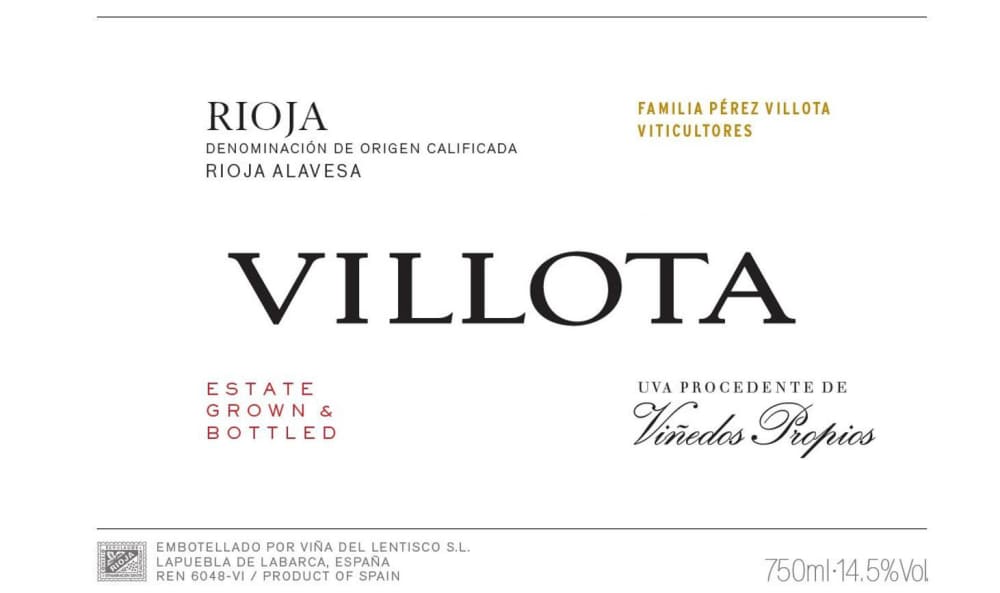
Engaging with the terminology of viticulture can elevate any conversation about this delicious beverage. Familiarizing myself with the correct articulation has not only helped me in social settings but also deepened my appreciation for the culture surrounding this delightful drink.
Pronunciation Guide for Spanish Garnet Beverage
To articulate this Spanish garnet beverage accurately, focus on the following phonetic breakdown:
| Phonetic Spelling | Description |
|---|---|
| ree-oh-ha | The first syllable “ree” rhymes with “see.” The second syllable “oh” is pronounced like the letter “O.” The final syllable “ha” is soft, akin to a gentle exhalation. |
Practice saying it slowly, then gradually increase your speed while maintaining clarity. Emphasize the first syllable slightly to ensure proper intonation. Listening to native speakers can also help refine your pronunciation.
Understanding the Basics of Rioja
Begin by exploring the regions where these exquisite beverages originate. The primary area is La Rioja, a renowned Spanish region famous for its exceptional production. The climate here is characterized by a mix of Mediterranean and continental influences, creating ideal conditions for grape cultivation.
Focusing on varietals, Tempranillo is the star grape, often blended with Garnacha, Graciano, and Mazuelo. Each brings unique characteristics, contributing to the complexity and depth of flavor. Familiarize yourself with the aging classifications: Crianza, Reserva, and Gran Reserva, each indicating the duration and conditions of maturation, which significantly impact taste and aroma.
Engage with the tasting notes. Expect rich flavors of dark fruits, spices, and earthy undertones. The oak influence is prevalent, adding layers of vanilla and toasted notes. Pairing with cuisine enhances the experience; consider grilled meats, hearty stews, or even aged cheeses.
Lastly, understand the importance of serving. Optimal temperature for enjoyment ranges from 16°C to 18°C (60°F to 65°F). Decanting can elevate the experience by allowing the wine to breathe and reveal its full character. Embrace the journey of exploration and appreciation for these remarkable Spanish offerings.
Phonetic Breakdown of ‘Rioja’
The term is articulated as ree-OH-ha. Each syllable carries its unique sound:
- ree: Sounds like “ree” in “reed.”
- OH: Similar to the “oh” in “go.”
- ha: Pronounced like “ha” in “haha,” but softer.
Stress is placed on the second syllable, “OH.” This emphasis is key for clarity.
Tips for Mastery
- Practice by breaking it down into individual sounds.
- Repeat the full word several times to build fluency.
- Listen to native speakers to attune your ear to the pronunciation.
By focusing on each component, I ensure accurate articulation every time.
Common Mispronunciations to Avoid
Many people trip over the correct utterance of this Spanish region’s name. Here are some frequent errors to sidestep:
- Misplacing the stress: Pronouncing it as “ree-oh-ha” incorrectly emphasizes the second syllable instead of the first.
- Using “Rio” with an English pronunciation: Saying “Rio” like “Rye-o” is not accurate; it should sound more like “ree-oh.”
- Ignoring the ‘j’: The ‘j’ in the original language is not silent and should be pronounced as a soft ‘h’ sound. Avoid saying “ree-oh-jar.”
- Overcomplicating it: Some might try to add extra syllables or sounds. Keep it simple with three clear syllables: “ree-oh-ha.”
Less Common Errors
- Adding an ‘s’ at the end: Avoid saying “Riojas.” The name refers to the region, not the type or brand.
- Confusing it with other wine regions: Don’t interchange it with names like “Rio Grande” or “Rio de Janeiro.” They have different pronunciations and meanings.
Practice saying “ree-oh-ha” to ensure clear communication and appreciation for this delightful wine variety.
Regional Variations in Pronunciation
Understanding local dialects can enhance your appreciation for this Spanish beverage. Variations in articulation often reflect regional identities and cultural influences.
Spain vs. International Pronunciation
In Spain, particularly in the La Rioja region, the pronunciation tends to be more fluid and melodic. Locals might emphasize the “o” sound, making it sound softer. Meanwhile, outside Spain, especially in English-speaking areas, the tendency is to anglicize the term, leading to a more rigid pronunciation.
Influence of Local Languages
Different countries may introduce their own nuances:
- In Latin America, you might hear a sharper “r” sound.
- French speakers may soften the vowels, creating a distinct enunciation.
- In Italy, the influence of the local dialects can lead to a completely different accentuation.
Being aware of these variations not only enriches your knowledge but also enhances social interactions when discussing this delightful beverage. Adapting to local pronunciations shows respect and appreciation for the culture and heritage.
Listening to Native Speakers
To master the correct articulation of this Spanish beverage, I recommend immersing yourself in audio resources featuring native speakers. Websites like Forvo and YouTube provide ample examples where pronunciation is demonstrated by fluent individuals. Pay attention to the rhythm and intonation; these nuances can significantly impact your delivery.
Utilizing Language Learning Apps
Consider using language learning applications that focus on pronunciation. Apps like Duolingo or Babbel often include sections dedicated to listening and repeating, which can enhance your ability to mimic authentic sounds. Repetition is key; practice saying the term aloud after listening to native speakers to build confidence.
Engaging in Conversations
Joining wine tasting events or Spanish language meetups can provide practical experience. Engaging with others who share an interest in this topic allows for real-time feedback. Don’t hesitate to ask for clarification on pronunciation; most enthusiasts appreciate the effort and are willing to help.
Practice Techniques for Accurate Pronunciation
I recommend using the mirror technique. Stand in front of a mirror and articulate each syllable, observing your mouth’s movements. This visual feedback helps adjust how I form sounds.
Incorporate repetition exercises. Choose specific phrases and repeat them at least ten times in a row. This builds muscle memory for my mouth and tongue, making it easier to produce the sounds accurately.
Record myself speaking. Listening to the playback allows me to identify areas needing improvement. I can compare my pronunciation with native speakers and adjust accordingly.
Utilize language apps focused on pronunciation. Many of these platforms provide interactive exercises and instant feedback, which can accelerate my learning process.
Engage in shadowing practice. I listen to audio clips of native speakers and try to mimic their pronunciation immediately after. This technique enhances my ear for phonetics and rhythm.
Join a wine tasting group. Engaging with others who share similar interests provides an opportunity to practice in a relaxed environment, making the learning process enjoyable.
Read aloud regularly. Selecting articles or books related to wine helps me familiarize myself with relevant vocabulary while practicing pronunciation in context.