Chuck Furuya
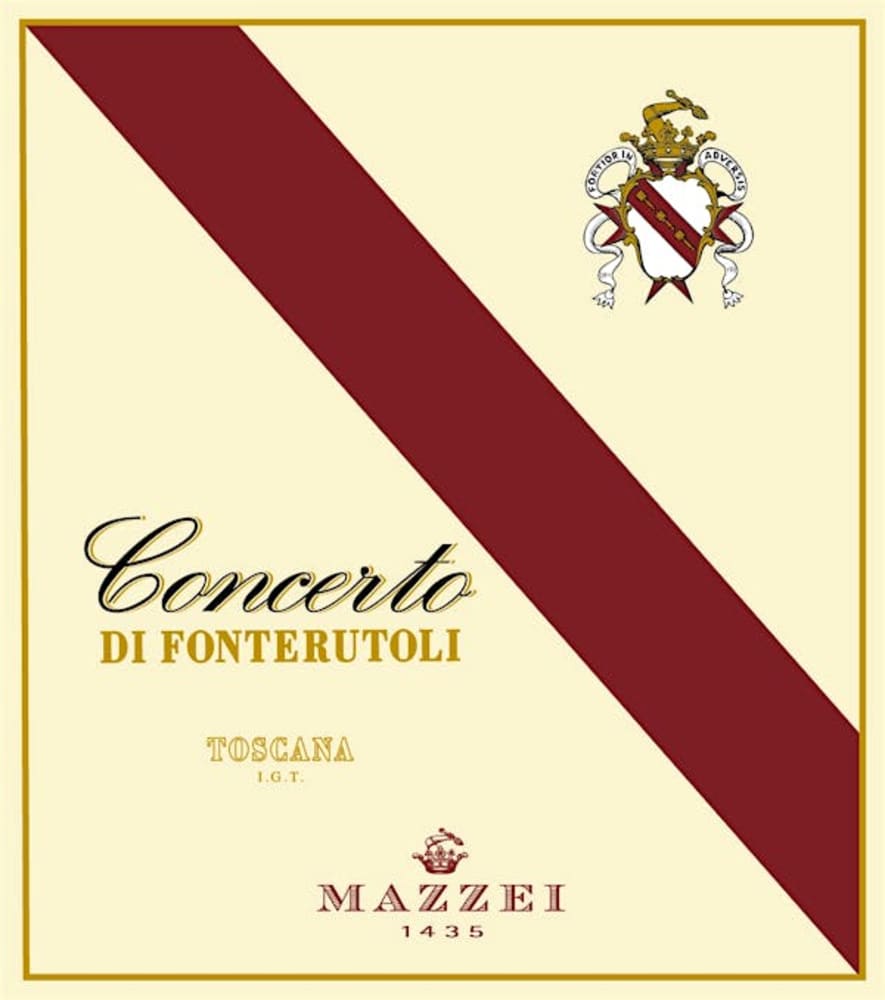
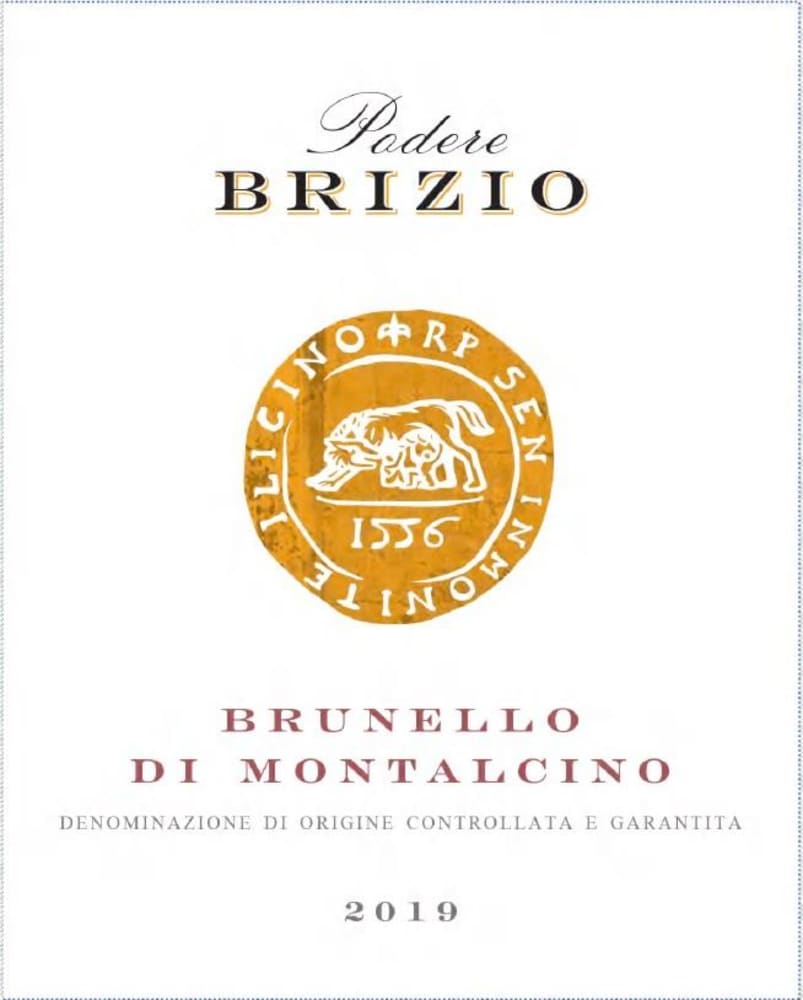
If you’re seeking alternatives to Chianti, I highly recommend exploring Sangiovese-based wines from Tuscany. These options, like Brunello di Montalcino or Vino Nobile di Montepulciano, offer a similar profile with rich cherry notes, earthy undertones, and balanced acidity.
Another excellent choice would be a Barbera from Piedmont. This variety boasts high acidity and vibrant fruit flavors, making it a great match for dishes that pair well with the robust characteristics found in Chianti.
For a bolder experience, consider trying a Montepulciano d’Abruzzo. This wine presents deeper fruit flavors and a fuller body, yet maintains a structure that echoes the traditional style of Chianti.
Lastly, exploring Spanish Tempranillo can be rewarding. It often exhibits similar savory notes and a smooth finish, making it a delightful complement to Italian cuisine.
Similar Varietals to Chianti
For those who appreciate the characteristics of Chianti, I recommend exploring Sangiovese blends from other regions. Look for wines from Montepulciano, particularly Vino Nobile di Montepulciano, which often showcases a similar profile with rich cherry flavors and earthy undertones.
Another excellent alternative is Rosso di Montalcino, made from the same grape but typically offers a lighter and fruitier experience, maintaining that characteristic acidity. If you enjoy the herbal notes found in Chianti, consider trying a Barbera from Piedmont; its bright acidity and berry notes can create a delightful comparison.
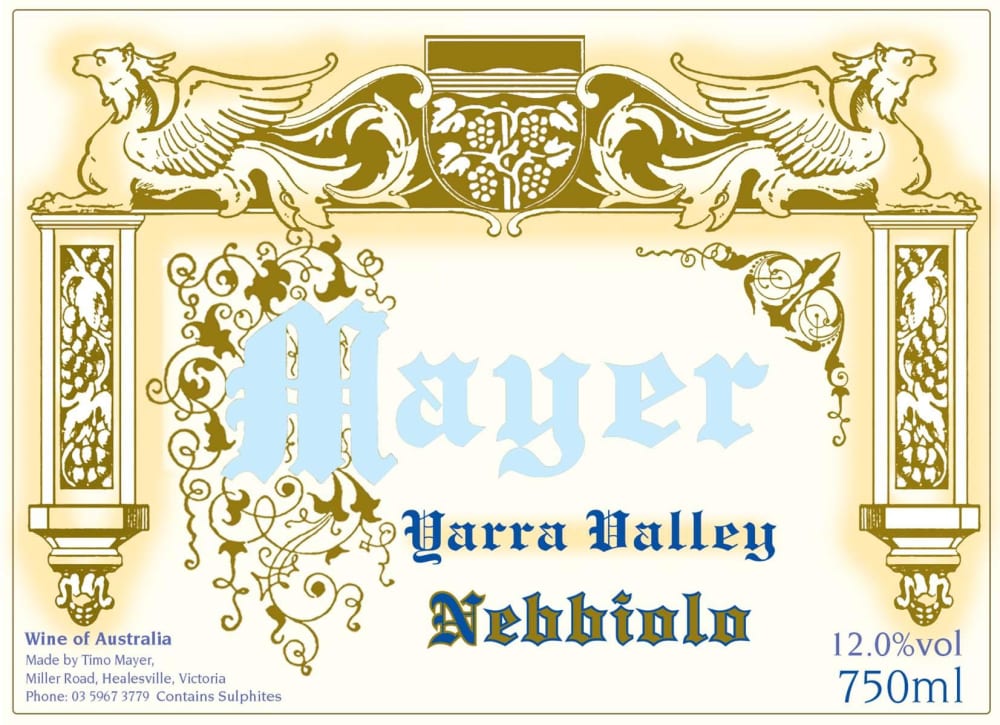
Additionally, consider exploring Nebbiolo-based wines like Barolo or Barbaresco. While these wines tend to be fuller-bodied, their complex aromas and flavors can resonate well with those who admire the depth of Chianti.
Finally, don’t overlook Spanish Tempranillo, particularly in the form of Rioja. The balance of fruit and tannins in these wines can remind one of the Italian classic, offering a similarly structured experience.
Characteristics of Red Wines Similar to Chianti
For those seeking an alternative to Chianti, I recommend exploring Sangiovese-based blends. These wines often share similar acidity, fruit-forward profiles, and earthy undertones. Look for options from regions like Tuscany or Emilia-Romagna.
Flavor Profile
- Bright cherry and raspberry notes
- Subtle herbal and floral hints
- Balanced with moderate tannins
Body and Structure
- Medium-bodied, allowing for versatility in food pairings
- Good acidity, making them refreshing
- Age-worthy options with complex development over time
Consider trying Dolcetto or Barbera for something with similar characteristics. Both varieties offer a fruit-forward experience, with Barbera having a slightly higher acidity, making it a delightful pairing for tomato-based dishes.