Chuck Furuya


If you’re looking to expand your palate, consider sampling Pinot Noir, known for its light body and complex fruit flavors. Merlot, with its smooth and approachable character, offers a delightful experience for both newcomers and seasoned enthusiasts alike.
Cabernet Sauvignon stands out for its bold structure and rich tannins, making it a favorite among those who enjoy a fuller-bodied experience. Syrah, or Shiraz, brings a spicy kick and dark fruit notes, adding depth to any collection. For a unique taste, try Zinfandel, which can range from jammy to peppery, providing an exciting twist to your tasting lineup.
Don’t overlook lesser-known varieties like Sangiovese or Malbec, each bringing their own distinctive flavors and characteristics. Exploring these options can lead to unexpected delights and deepen your appreciation for what this category offers.
Varieties of Crimson Beverages
Exploring the vast array of crimson beverages, I often categorize them based on grape varietals, regions, and production methods. Here’s a concise breakdown of notable categories:
Grape Varietals
- Cabernet Sauvignon: Known for bold flavors and high tannins, often featuring notes of dark fruits, spices, and oak.
- Merlot: Offers a softer, fruit-forward profile with flavors of plum, cherry, and chocolate.
- Pinot Noir: Renowned for its light body and complex aromas of red berries, earth, and floral notes.
- Syrah/Shiraz: Characterized by rich, dark fruit flavors, pepper, and often smoky undertones.
- Zinfandel: Typically ripe and jammy, showcasing berry flavors with peppery and spicy notes.
Regional Influences
- Bordeaux: Known for blends, primarily featuring Cabernet Sauvignon and Merlot.
- Tuscany: Famous for Sangiovese, showcasing bright acidity and cherry flavors.
- California: A hub for various styles, including robust Zinfandels and smooth Merlots.
- Australia: Notable for Shiraz, often with bold, fruit-forward profiles.
- Argentina: Recognized for Malbec, offering dark fruit flavors with earthy notes.
Each of these categories presents a unique tasting experience. I encourage exploring these options to discover personal preferences and broaden one’s palate.
Exploring Major Red Wine Varietals
Cabernet Sauvignon stands out for its bold flavors and structure. Originating from Bordeaux, it flourishes in various climates, creating a spectrum of profiles, from rich and fruity to earthy and herbaceous. Pair it with grilled meats or aged cheese for a delightful experience.
Merlot offers a softer alternative, known for its smooth texture and juicy fruit notes. This varietal is versatile, complementing dishes like roasted vegetables and poultry. A classic choice for those seeking a rounder palate.
Pinot Noir, often deemed the most challenging to cultivate, delivers elegance and complexity. Its bright acidity and red fruit characteristics make it ideal for pairing with salmon or duck. A perfect option for those who appreciate nuance in flavor.
Syrah, or Shiraz as it’s called in Australia, showcases a variety of styles from peppery and spicy to rich and fruity. This varietal pairs well with hearty stews and barbecued dishes, enhancing savory flavors.
Zinfandel, primarily grown in California, brings a unique profile with jammy fruit and pepper notes. Excellent with barbecue and spicy cuisine, it’s a favorite for casual gatherings.
| Varietal | Flavor Profile | Food Pairing |
|---|---|---|
| Cabernet Sauvignon | Bold, rich, fruity | Grilled meats, aged cheese |
| Merlot | Smooth, juicy, soft | Roasted vegetables, poultry |
| Pinot Noir | Elegant, complex, fruity | Salmon, duck |
| Syrah/Shiraz | Spicy, peppery, rich | Hearty stews, barbecue |
| Zinfandel | Jammy, fruity, peppery | Barbecue, spicy dishes |
Each varietal offers a unique experience, allowing for an exploration of flavors and pairings that suit various occasions and preferences. Choose based on your palate and the meal at hand for a satisfying tasting experience.
Understanding Regional Differences in Red Wines
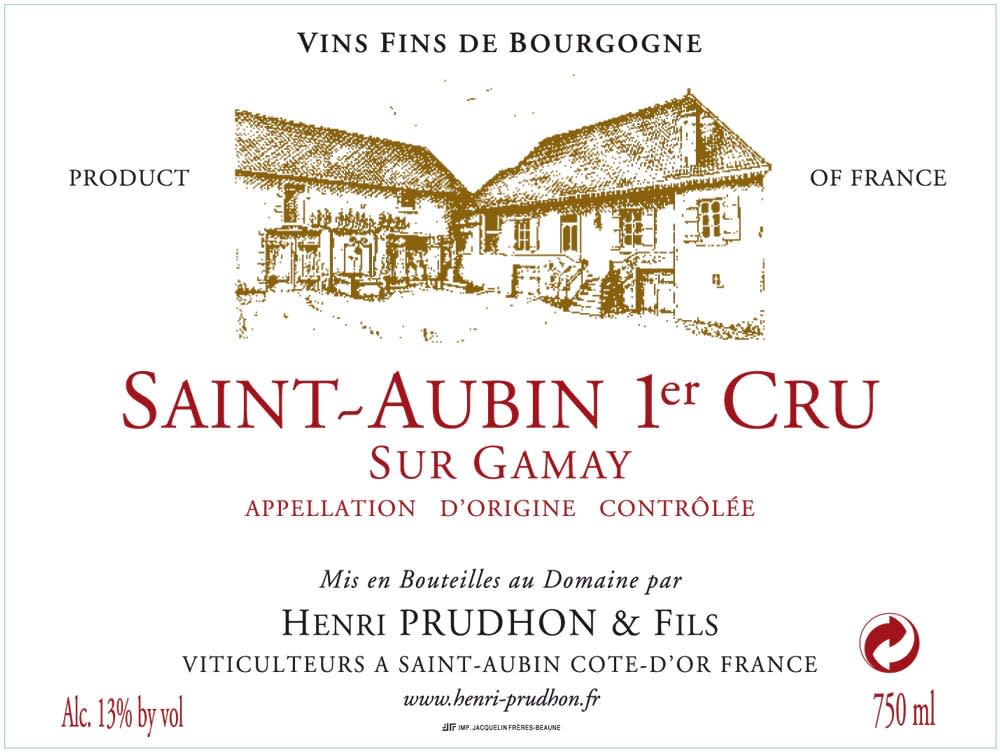
To appreciate the nuances of this beverage, I recommend focusing on specific regions known for their unique characteristics. For instance, Bordeaux produces full-bodied selections with rich tannins, while Burgundy is celebrated for its elegant and nuanced offerings, primarily from Pinot Noir grapes.
Old World vs. New World
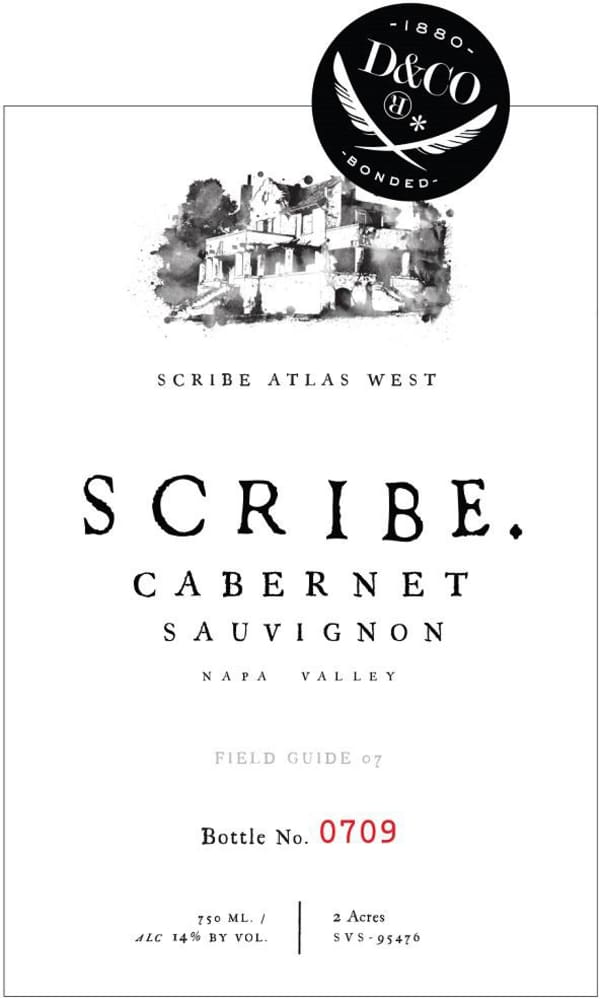
Old World regions, such as Italy and France, typically emphasize terroir, which influences flavor profiles based on local climate and soil. Italian Barolo, made from Nebbiolo, showcases a robust structure with earthy notes. In contrast, New World regions like California highlight fruit-forward expressions, as seen in a Napa Valley Cabernet Sauvignon, often marked by ripe black fruits and oak influences.
Climate’s Impact
Climate significantly shapes flavor. Cooler climates, like those found in Oregon’s Willamette Valley, produce wines with higher acidity and more subtle fruit characteristics. Warmer regions, such as Australia’s Barossa Valley, yield wines that are fruit-rich and bold, with higher alcohol content. This distinction is essential for selecting the right bottle for various occasions.
Engaging with these regional differences enhances my understanding and appreciation, allowing for more informed selections that align with personal preferences and food pairings.