Chuck Furuya



For an exceptional experience, I highly recommend trying the 2016 Chateau Montelena Cabernet Sauvignon. This particular vintage offers a balanced profile with rich dark fruit flavors complemented by hints of cedar and vanilla, achieving a harmonious finish. Sourced from Napa Valley, its complex structure makes it an outstanding choice for both casual sipping and food pairings.
Another excellent option is the 2018 Silver Oak Napa Valley Cabernet Sauvignon. Renowned for its consistent quality, this bottle presents an enticing mix of blackberry, plum, and baking spices. The smooth tannins and long-lasting finish make it a favorite among enthusiasts and collectors alike.
If you’re seeking something a bit different, consider the 2017 Jordan Cabernet Sauvignon. This wine stands out with its elegant profile, showcasing flavors of red currant, raspberry, and subtle earthiness. Its versatility pairs beautifully with a variety of dishes, from grilled meats to hearty pastas.
Identifying the Characteristics of Quality Cabernet Sauvignon
When assessing a Cabernet Sauvignon, I focus on several key traits that signify excellence. The first is the aroma. A refined varietal typically presents a complex bouquet, featuring notes of black currant, cedar, and hints of spices. This olfactory profile should be inviting and layered, drawing you in with its depth.
Next, I evaluate the palate. A high-quality selection will have a balanced interplay of fruit, acidity, and tannins. The fruit flavors, often rich and dark, should be complemented by a refreshing acidity that prevents heaviness. Tannins must be well-integrated, providing structure without overwhelming the experience. A smooth mouthfeel enhances the enjoyment, leaving a pleasant texture.
Length of finish is another indicator of quality. An exceptional bottle will linger on the palate, allowing me to savor the aftertaste, which should echo the initial flavors while introducing new nuances. This complexity is a hallmark of a well-crafted beverage.
Lastly, I pay attention to the aging potential. A premium Cabernet Sauvignon often benefits from time in the cellar, developing additional layers and complexity. I consider the balance of components; if a wine is structured enough to age gracefully, it’s usually a sign of quality.
By focusing on these characteristics–aroma, palate, finish, and aging potential–I can confidently identify a superior Cabernet Sauvignon that stands out in its category.
Top Regions Known for Producing Excellent Cabernet Wines
California’s Napa Valley stands out for its exceptional Cabernet offerings. With its ideal climate and diverse terroirs, this area consistently produces high-quality bottles. Notable producers include Stag’s Leap Wine Cellars and Silver Oak, both of which showcase the varietal’s rich character and depth.
Bordeaux, particularly the Left Bank regions like Médoc and Graves, is revered for crafting iconic blends featuring this grape. Châteaux such as Château Lafite Rothschild and Château Margaux exemplify the complexity and elegance typical of Bordeaux wines, often blending it with Merlot and other varietals.
Australia’s Coonawarra is known for its distinct terra rossa soil, which contributes to the unique flavor profile of its wines. Here, producers like Wynns Coonawarra Estate create full-bodied expressions that highlight ripe fruit and structured tannins.
South Africa’s Stellenbosch region has gained recognition for its robust interpretations. Wineries like Kanonkop and Rust en Vrede deliver wines that balance power with finesse, often showcasing a distinct herbal note in their profiles.
Chile’s Maipo Valley offers a compelling mix of old-world tradition and new-world innovation. Vineyards such as Concha y Toro and Santa Rita produce outstanding examples with pronounced fruit flavors and approachable tannins, making them accessible yet impressive.
Exploring these regions reveals a spectrum of styles and characteristics, each reflecting its unique climate and soil. Whether I lean towards the boldness of Napa or the elegance of Bordeaux, each sip tells the story of its origin.
Understanding Different Cabernet Sauvignon Varietals
I recommend exploring the following varietals of Cabernet Sauvignon, each offering unique flavor profiles and characteristics:
-
Napa Valley Cabernet Sauvignon
This variety is known for its rich fruit flavors, often featuring notes of black cherry, plum, and chocolate. The tannins are typically bold, providing structure and aging potential. Look for producers like Silver Oak or Caymus for exemplary bottles.
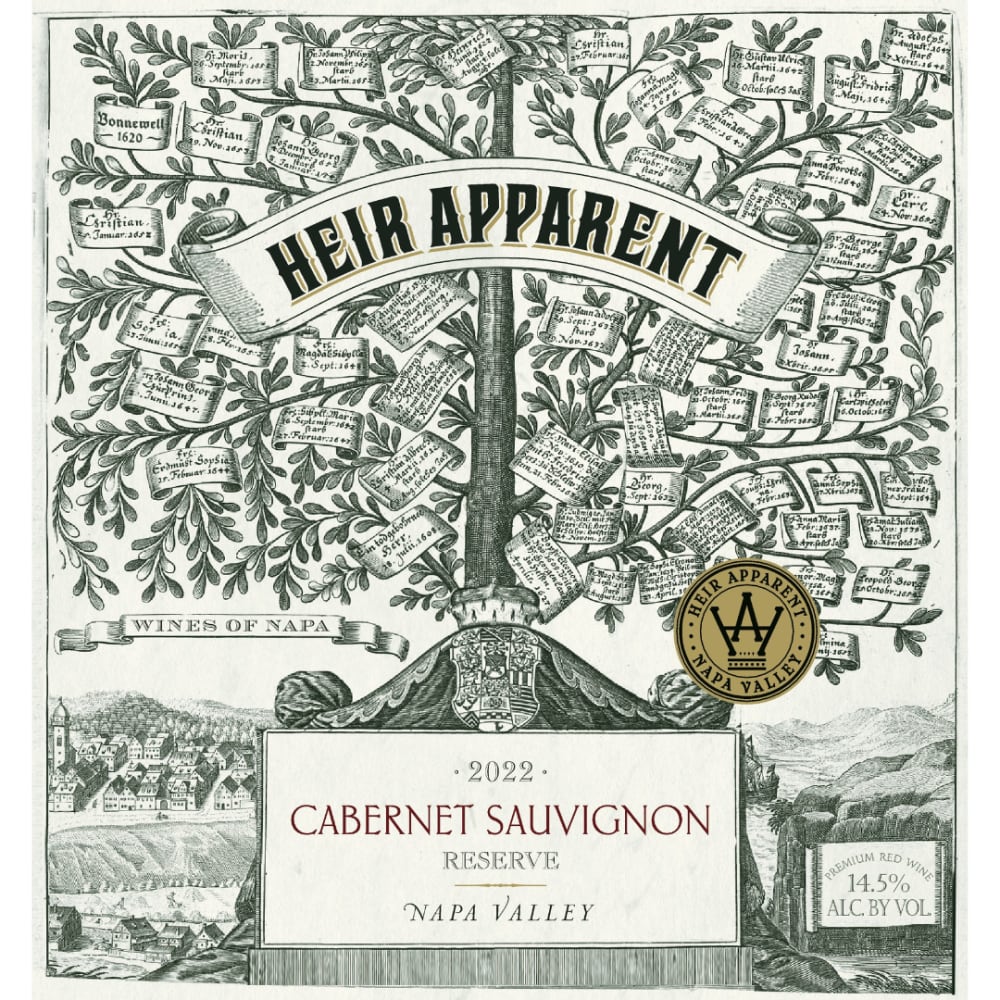
Hot Pick Heir Apparent Reserve Cabernet Sauvignon 2022Balanced and elegant wine with refined notesThis 2022 Cabernet Sauvignon features a lovely balance of power and elegance with juicy aromas of berries and subtle hints of herbs, making it a delightful choice for wine enthusiasts looking for quality and sophistication. -
Bordeaux Blend
In regions like Bordeaux, Cabernet Sauvignon is often blended with Merlot and Cabernet Franc. These blends feature a balance of fruitiness and earthiness, with herbal and floral notes. Château Lafite Rothschild is a classic choice for those interested in this style.
-
Coonawarra Cabernet Sauvignon
This Australian varietal is marked by its distinctive mint and eucalyptus aromas, combined with dark fruit flavors. The region’s terra rossa soil contributes to its unique profile. Look for Penfolds or Wynns Coonawarra Estate for quality options.
-
Chile’s Cabernet Sauvignon
Chilean expressions often highlight red fruit flavors with a hint of green pepper. These wines can be incredibly approachable and offer great value. Seek out Viña Concha y Toro for widely available yet impressive selections.
-
South African Cabernet Sauvignon
This varietal frequently showcases bold fruit flavors alongside a touch of smokiness and herbaceous notes. The cooler regions, such as Stellenbosch, produce some excellent examples. Look for Kanonkop or Rust en Vrede for high-quality bottles.
Experimenting with these varietals allows for a deeper appreciation of the complexities found within Cabernet Sauvignon. Be sure to pay attention to the terroir, as it greatly influences the resulting flavors and aromas.