Chuck Furuya
For a captivating experience, I highly recommend exploring Barolo from the Piedmont region. This Nebbiolo-based wine showcases an exquisite balance of tannins and acidity, with flavors of cherry, rose, and earthy undertones. It’s a splendid companion for rich dishes like osso buco or truffle risotto.
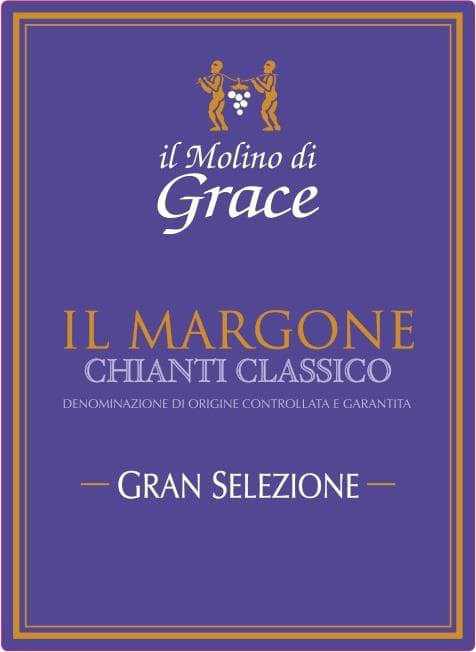
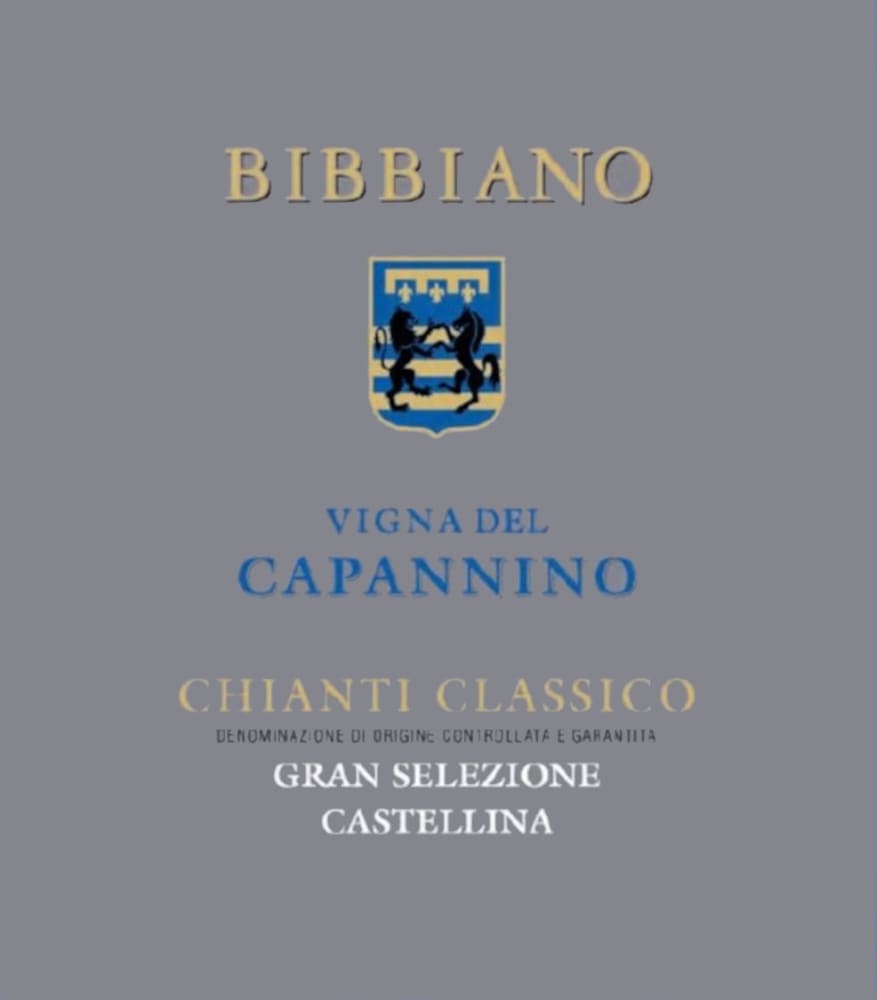
Another remarkable option is Chianti Classico, particularly those with the Gran Selezione designation. These wines offer a refined expression of Sangiovese, featuring notes of red fruits, herbs, and a hint of spice. Pair it with traditional pasta dishes or grilled meats for a delightful match.
Don’t overlook Amarone della Valpolicella, a unique gem made from partially dried grapes. Its intense flavors of dark cherry, figs, and chocolate create a luxurious profile, perfect for savoring alongside aged cheeses or dark chocolate desserts.
Finally, consider a bottle of Nero d’Avola from Sicily. This full-bodied varietal is known for its bold fruit flavors and subtle hints of smoke and spice. It complements grilled vegetables or hearty stews beautifully, making it a versatile choice for any meal.
Top Choices in Italian Reds
Barolo, often referred to as the “King of Wines,” showcases the Nebbiolo grape and hails from Piedmont. Its robust structure and complex aromas of tar and roses make it a standout, especially after a few years in the bottle.
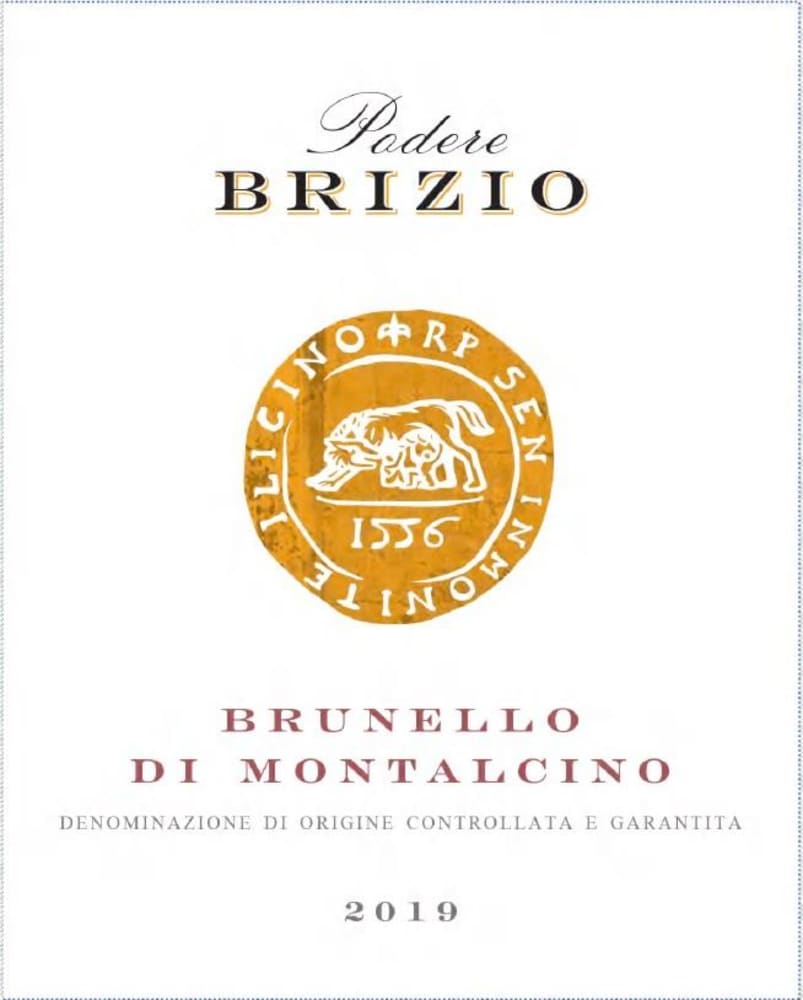
Brunello di Montalcino represents the Sangiovese variety, cultivated in the renowned Tuscan region. Known for its depth and aging potential, this wine offers flavors of cherry, leather, and herbs, providing an exquisite tasting experience.
Chianti Classico, another Sangiovese-based marvel, embodies the essence of Tuscany. With its bright acidity and notes of red fruits and earthy undertones, it pairs beautifully with pasta and grilled meats.
Amarone della Valpolicella, crafted from partially dried Corvina and Rondinella grapes, presents a rich, full-bodied profile. The dried fruit flavors and velvety texture make it an indulgent choice for special occasions.
Negroamaro from Puglia has its own unique charm, offering a bold character with dark fruit flavors and a hint of spice. This wine complements hearty dishes, making it a perfect match for Italian cuisine.
| Wine | Region | Main Grape | Tasting Notes |
|---|---|---|---|
| Barolo | Piedmont | Nebbiolo | Tar, rose, cherry |
| Brunello di Montalcino | Tuscany | Sangiovese | Cherry, leather, herbs |
| Chianti Classico | Tuscany | Sangiovese | Red fruit, earthy |
| Amarone della Valpolicella | Veneto | Corvina, Rondinella | Dried fruit, velvety |
| Negroamaro | Puglia | Negroamaro | Dark fruit, spice |
Top Regions for Italian Red Wine Production
For anyone keen on exploring exceptional Italian reds, specific regions stand out for their unique characteristics and renowned varietals.
- Tuscany: Famous for Sangiovese, this area produces Chianti, Brunello di Montalcino, and Vino Nobile di Montepulciano. The diverse terroir and climate contribute to a wide range of flavors.
- Piedmont: Home to Barolo and Barbaresco, made from Nebbiolo grapes, this region offers complex wines with rich tannins and notes of cherry, truffle, and spice.
- Sicily: Known for Nero d’Avola, this island’s wines exhibit bold fruit flavors and a distinct Mediterranean influence, making them approachable yet layered.
- Veneto: Renowned for Valpolicella and Amarone, the unique appassimento technique used here creates rich and full-bodied options that are perfect for aging.
- Emilia-Romagna: This region produces Lambrusco, which ranges from dry to sweet, offering refreshing effervescence that pairs wonderfully with local cuisine.
Each of these areas showcases a commitment to quality and tradition, ensuring that every bottle reflects its origin. Exploring these regions unveils a diverse palette of flavors and styles that are sure to impress any enthusiast.
Key Grape Varieties in Italian Red Wines
Barbera stands out for its vibrant acidity and soft tannins, making it versatile for food pairings. It thrives in regions like Piedmont, where it showcases ripe cherry and plum flavors. Look for Barbera d’Alba for a rich experience or Barbera d’Asti for something lighter.
Sangiovese
Sangiovese is synonymous with Chianti, delivering notes of cherry, earth, and herbs. It’s the backbone of Tuscany’s wine scene. A Chianti Classico can reveal the grape’s depth, while Brunello di Montalcino offers a more robust and age-worthy expression. Seek out producers like Biondi-Santi for exceptional quality.
Nebbiolo
Nebbiolo, famed for Barolo and Barbaresco, boasts high acidity and tannins, often revealing aromas of roses, tar, and dark fruits. A Barolo from a great vintage, such as 2016, will exhibit tremendous aging potential. When exploring Barbaresco, consider Gaja’s offerings for a refined experience.
Other noteworthy varieties include Dolcetto, known for its juicy and approachable style, and Aglianico, which shines in southern regions like Campania and Basilicata, often providing bold flavors and structure. Each grape reflects its terroir, contributing to the rich diversity of wines across Italy.