Chuck Furuya

If you’re choosing between these two types of beverages, consider the flavor profiles and serving occasions. Rose typically features lighter, fruitier notes, often with hints of strawberries or raspberries, making it ideal for warm weather or lighter dishes. In contrast, the richness of red varietals, such as Cabernet Sauvignon or Merlot, presents deeper flavors like dark berries and spices, complementing hearty meals.
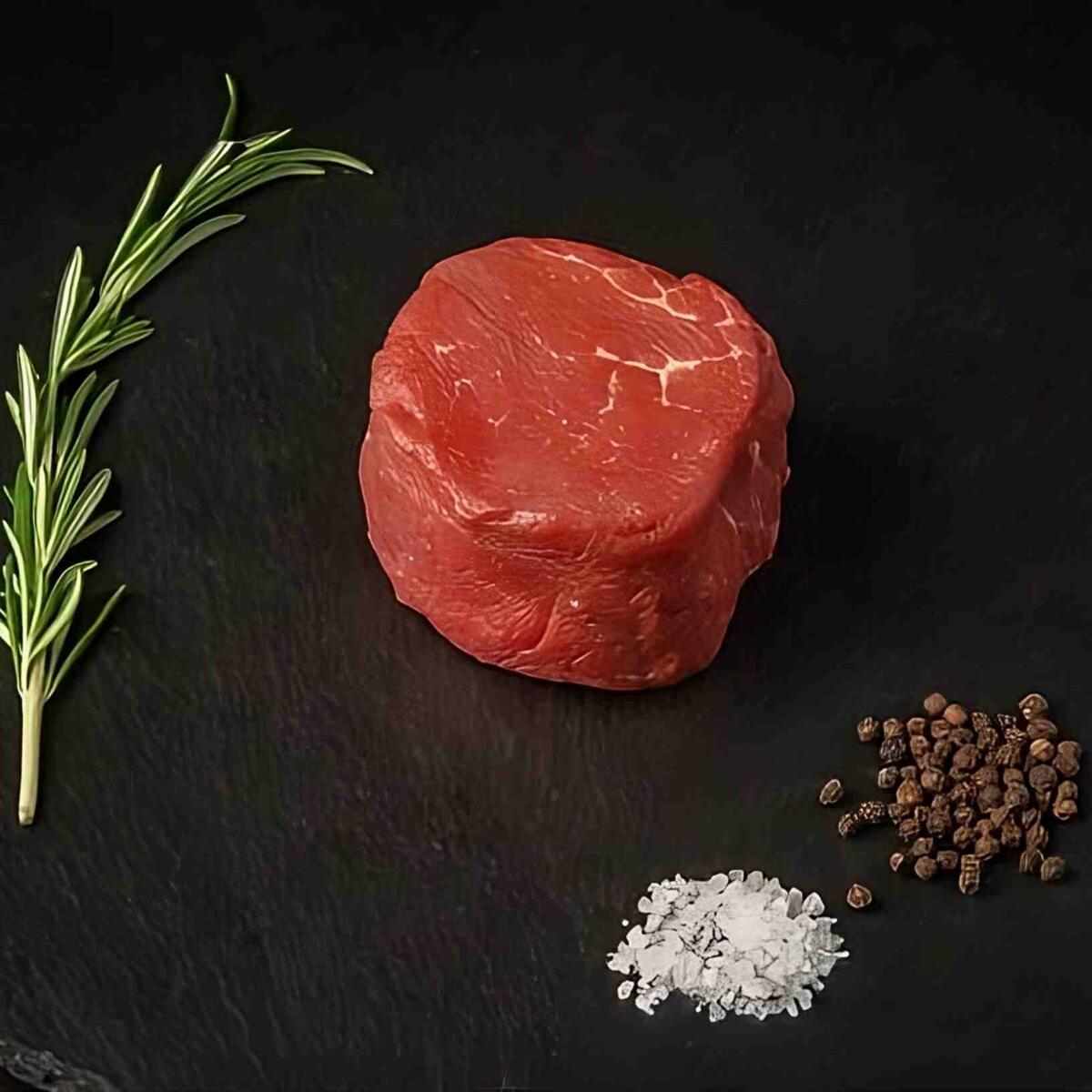
When pairing with food, opt for rosé with salads, seafood, or grilled chicken. The refreshing qualities enhance these dishes beautifully. On the other hand, red options shine with red meats, robust pasta, or strong cheeses, providing a more pronounced flavor harmony.
For those who enjoy a chill, serving rosé slightly colder can elevate its refreshing qualities. Red selections, however, benefit from being served at room temperature, allowing their complex aromas to unfold. This attention to temperature can significantly enhance your tasting experience.
Understanding the Basic Ingredients of Rosé and Red Wine
Grapes serve as the primary component for both varieties. However, the specific types used can significantly influence flavor profiles. I prefer varietals like Cabernet Sauvignon and Merlot for bold reds, while Grenache and Syrah often shine in pinks.
Fermentation methods also play a key role. In red production, skins remain in contact with the juice for an extended period, extracting tannins and color. For pinks, a shorter maceration time is standard, which yields lighter hues and softer tannins.
Yeast selection is crucial as well. Different strains can impart unique flavors and aromas. I often explore different yeast options to enhance the characteristics of each batch.
Additionally, aging techniques vary widely. Reds typically age in oak barrels, which contribute vanilla and spice notes. Pinks, on the other hand, are frequently aged in stainless steel to preserve freshness and fruitiness.
I recommend considering these factors when selecting a bottle, as they greatly influence the overall drinking experience. For a more structured sip, reach for a robust red, while a fruity pink can be a refreshing choice for warmer days.
- Grape Varietals: Choose robust varietals for reds, lighter ones for pinks.
- Maceration Time: Longer for reds, shorter for pinks.
- Yeast Selection: Impacts flavor; experiment with different strains.
- Aging Techniques: Oak barrels for reds, stainless steel for pinks.
Fermentation Processes: How They Differ
Fermentation methods for these two types of beverages vary significantly. For traditional dark varietals, I utilize a process called maceration, where grape skins remain in contact with the juice for an extended period. This interaction extracts color, tannins, and flavor compounds. Typically, I ferment at warmer temperatures, often between 75°F to 85°F, which enhances the extraction of robust flavors.
Skin Contact Duration
In crafting a lighter option, skin contact is minimized. The juice is often pressed off the skins shortly after crushing, usually within a few hours. This brief exposure results in a paler hue and more delicate flavor profile. Fermentation temperatures are generally cooler, around 60°F to 70°F, promoting the development of fresh, fruity aromas.
Yeast Selection
Yeast strains play a critical role in flavor development. For deeper-colored options, I often choose strains that enhance complexity and mouthfeel. In contrast, for lighter varieties, I select yeast that emphasizes bright, fruity notes. Timing and environmental factors during fermentation also affect the final taste profile, making each batch unique.
The Impact of Grape Varieties on Wine Flavor Profiles
Choosing specific grape types significantly influences the flavor characteristics of your beverage. Each varietal contributes unique aromas and tastes, shaping the overall experience.
Key Grape Varieties and Their Flavor Attributes
- Cabernet Sauvignon: Known for its bold flavors of blackcurrant, plum, and hints of green pepper. It often features a robust tannin structure and a long finish.
- Merlot: Typically softer and fruitier, offering notes of cherry, chocolate, and herbal undertones. This grape is often more approachable for those new to full-bodied options.
- Pinot Noir: Renowned for its elegance, showcasing flavors of red berries, earthiness, and floral notes. This varietal is often lighter and more nuanced.
- Sangiovese: Predominantly found in Italian selections, it presents flavors of cherry, tomato, and savory herbs, providing a bright acidity.
- Syrah/Shiraz: Exhibits dark fruit flavors with spicy, smoky, or peppery notes. The expression can vary widely depending on the region.
How Terroir Influences Grape Characteristics
Environmental factors such as soil composition, climate, and altitude play a crucial role in how grapes develop. For instance:
- Soil: Different types impart distinct mineral qualities, affecting flavor complexity.
- Climate: Warmer regions produce riper, fruit-forward profiles, while cooler areas yield more acidity and freshness.
- Altitude: Higher elevations can enhance acidity and aromatic intensity, creating a balance in flavor.
Focusing on specific varietals and understanding their unique contributions can elevate your appreciation of these fine beverages. Experimenting with different types will lead to discovering personal preferences and delightful pairings.
Color Differences: What Makes Rose and Red Wine Unique
Understanding the hues of these beverages reveals fascinating characteristics. The primary factor influencing color in wines made from grapes is skin contact during fermentation. For lighter shades, minimal skin contact is key, resulting in a delicate pink hue. This is often achieved through techniques like pressing the grapes quickly after harvesting.
On the other hand, deeper colors in darker varieties arise from extended skin maceration. This process extracts not only color but also tannins and complex flavors from the grape skins, contributing to a richer taste. The pigments responsible for these colors, known as anthocyanins, vary in concentration depending on the grape type. For example, Cabernet Sauvignon yields a more intense coloration compared to lighter varietals like Pinot Noir.
Factors Affecting Visual Appeal
The visual appeal of these beverages extends beyond just color. Clarity and brightness also play significant roles. A well-made glass of darker wine often displays a vibrant, opaque quality, while lighter versions tend to be more translucent. The clarity can hint at the wine’s age and filtration process, which also influences its overall perception.
Personal Preference and Pairing
Choosing between these wines often hinges on personal preference influenced by color. Lighter shades tend to pair exceptionally well with seafood and salad dishes, while darker varieties complement richer foods like red meats and hearty stews. Recognizing these visual cues enhances the overall tasting experience and can guide food pairing decisions effectively.