Chuck Furuya

Barbera d’Alba stands out as an exceptional choice for those new to the delightful experience of Italian varietals. This wine, hailing from the Piedmont region, boasts a rich flavor profile that balances fruitiness with subtle acidity, making it approachable yet complex.
The deep red color and vibrant aromas of cherries and plums invite you in, while the smooth tannins ensure a pleasant sipping experience. With an alcohol content typically around 13-14%, it pairs beautifully with a variety of dishes, from pasta to grilled meats.
When selecting a bottle, look for younger vintages that showcase the wine’s fresh characteristics. A 2019 or 2020 vintage can provide the perfect introduction to the style, offering delightful notes without overwhelming the palate.
Top Italian Red Wines Recommended for Newbies
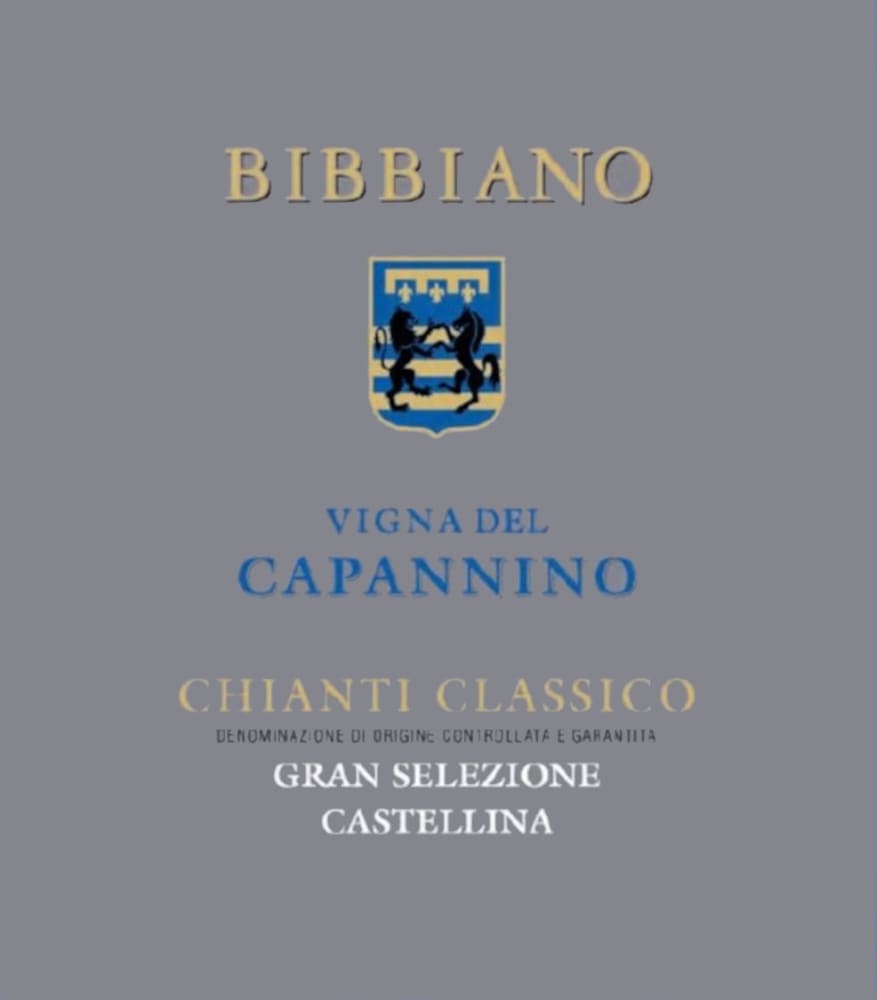
Chianti Classico stands out with its bright acidity and cherry flavors, making it a perfect introduction. Its medium body pairs well with various dishes, particularly pasta with tomato sauce.
Barbera d’Alba is another excellent choice, known for its low tannins and fruity profile. This wine is accessible and complements grilled meats and pizza exceptionally well.
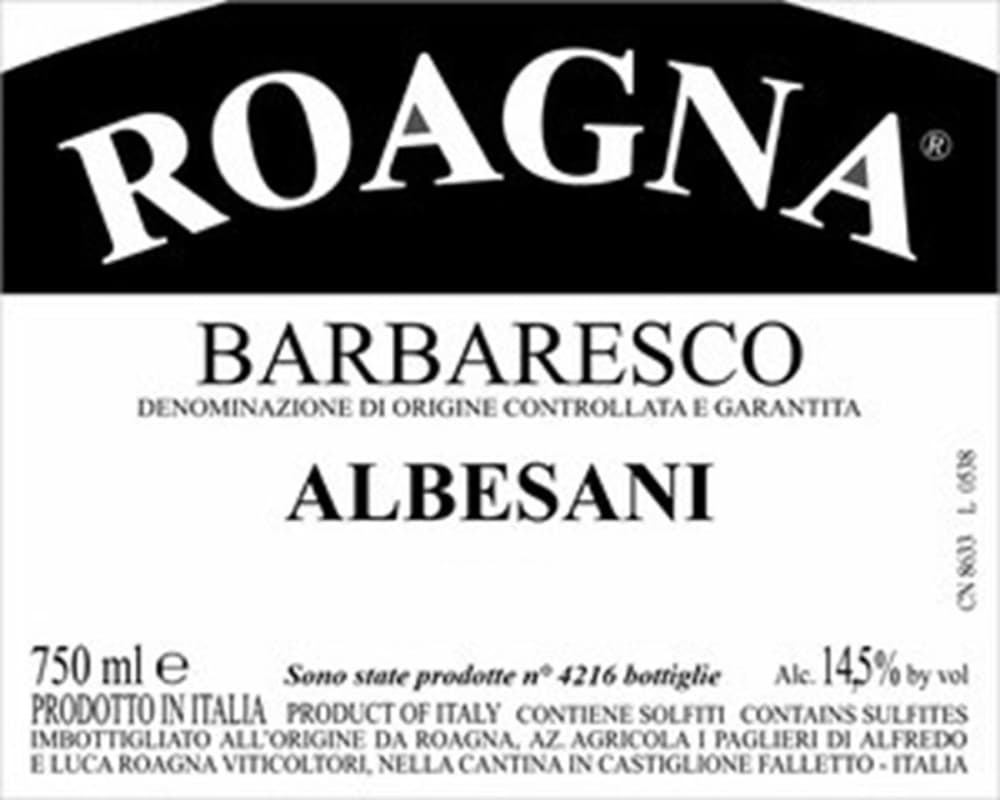
Nebbiolo offers a more robust experience, particularly in Barolo or Barbaresco forms. While it can be intense, its floral and earthy notes create an intriguing tasting experience for those ready to explore deeper flavors.
Dolcetto is sweet and soft, with a juicy character that is easy to enjoy. It’s a delightful option for casual sipping or pairing with charcuterie boards.
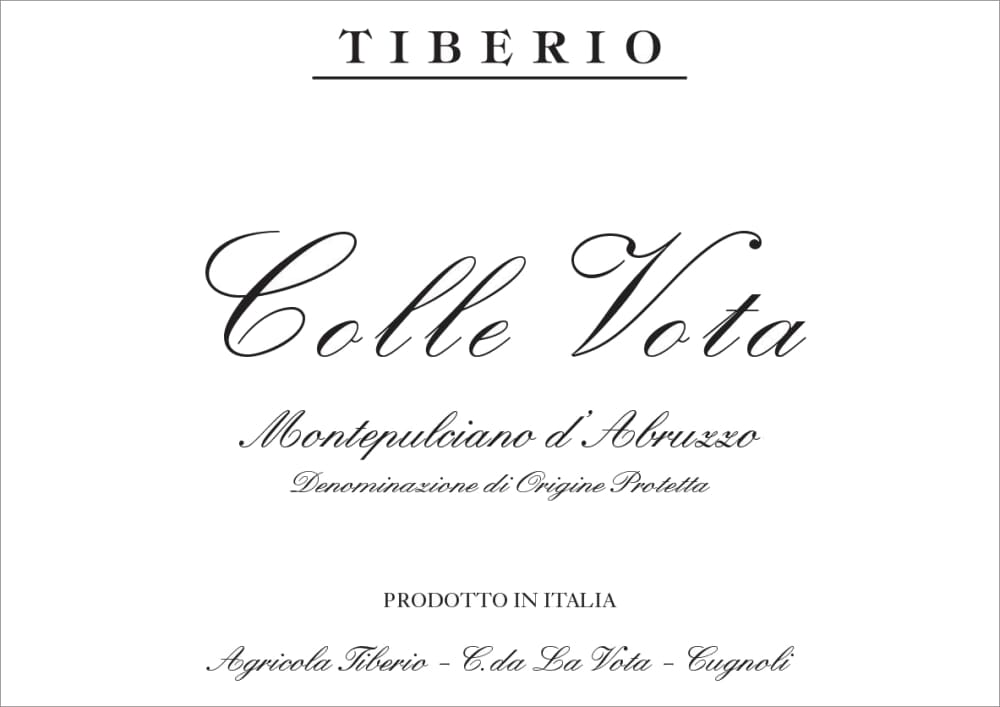
Montepulciano d’Abruzzo delivers rich dark fruit flavors and a velvety texture, making it approachable. It works wonderfully with hearty stews and roasted vegetables.
| Wine Type | Tasting Notes | Food Pairing |
|---|---|---|
| Chianti Classico | Bright acidity, cherry flavors | Pasta with tomato sauce |
| Barbera d’Alba | Low tannins, fruity profile | Grilled meats, pizza |
| Nebbiolo | Floral, earthy notes | Rich dishes, aged cheeses |
| Dolcetto | Sweet, juicy character | Charcuterie, light snacks |
| Montepulciano d’Abruzzo | Rich dark fruit, velvety texture | Hearty stews, roasted vegetables |
These selections provide a solid foundation for exploring delightful options. Each offers unique qualities, allowing for a diverse tasting experience while developing preferences.
Understanding Italian Wine Regions and Their Characteristics
To truly appreciate a glass from Italy, it’s important to recognize the distinct regions that shape the character of each bottle. Each area offers unique climate conditions, grape varieties, and winemaking traditions that influence flavor profiles and aromas.
Tuscany
Tuscany is renowned for its Sangiovese grapes, known for bright acidity and cherry notes. Chianti Classico, a standout from this region, showcases earthy undertones and herbal hints. For those new to this style, a Chianti can serve as a fantastic introduction.
Piedmont
Piedmont is celebrated for Barolo and Barbaresco, both crafted from Nebbiolo grapes. These wines are rich and complex, often with floral aromas and robust tannins. A Barbera from this region offers a softer, fruit-forward experience, making it accessible for novice enthusiasts.
Veneto
In Veneto, a variety called Corvina thrives, particularly in Valpolicella wines. These can range from light and fruity to more full-bodied Amarone, which is made from partially dried grapes. Starting with a Valpolicella can provide a pleasant introduction to the region’s offerings.
Campania
Campania’s Aglianico grape produces wines that are bold and structured, with dark fruit flavors and earthy notes. Aglianico del Vulture is a great choice for those seeking something with depth and character.
- Tuscany: Sangiovese – Chianti Classico
- Piedmont: Nebbiolo – Barbera
- Veneto: Corvina – Valpolicella
- Campania: Aglianico – Aglianico del Vulture
By exploring these regions and their signature grapes, it’s easier to find a style that resonates with personal preferences. Each sip tells a story of its origin, allowing for a deeper appreciation of the craft and culture behind every bottle.
Key Flavor Profiles of Popular Italian Red Grapes
Nebbiolo offers a complex profile with aromas of cherry, rose, tar, and earthy undertones. The tannins can be robust, often requiring time to soften. It’s ideal for those who appreciate depth and nuance in their glass.
Sangiovese, with its bright acidity and flavors of red fruits like strawberry and cherry, often includes herbal and spicy notes. This grape can be approachable, making it a favorite among those starting to explore the nuances of viniculture.
Barbera
Barbera is known for its low tannins and high acidity, showcasing flavors of blackberry, plum, and a hint of spice. It’s versatile and pairs well with a variety of cuisines, making it a great choice for casual sipping.
Montepulciano
This grape tends to yield wines that are rich and full-bodied, with flavors ranging from dark fruits to chocolate and earthy notes. Its smooth texture and moderate tannins make it accessible and enjoyable for newer enthusiasts looking to expand their palate.
How to Pair Italian Red Wine with Food
Pairing a fine Italian red with meals enhances the dining experience. A classic Chianti complements tomato-based dishes beautifully, thanks to its acidity. For hearty meals like osso buco, a Barolo provides depth and richness, balancing the meat’s flavors. If you enjoy pizza, try a Nero d’Avola; its fruitiness harmonizes well with various toppings.
When serving grilled meats, consider a robust Primitivo. Its bold character stands up to smokiness. For pasta with cream sauces, a lighter Pinot Noir works surprisingly well, offering a nice contrast. Vegetarian dishes benefit from a Sangiovese, as its earthiness pairs nicely with mushrooms and roasted vegetables.
Cheese boards are a great opportunity to experiment. Aged cheeses are excellent with Barbaresco, while fresh mozzarella shines alongside a Dolcetto. Don’t shy away from sweet pairings; a dessert like tiramisu is delightful with a Brachetto, enhancing the dessert’s coffee notes.
Always remember that personal preference plays a significant role. Experimenting with different combinations allows for discovering unique pairings that enhance both the food and the drink. Enjoy the process, and trust your palate!