Chuck Furuya
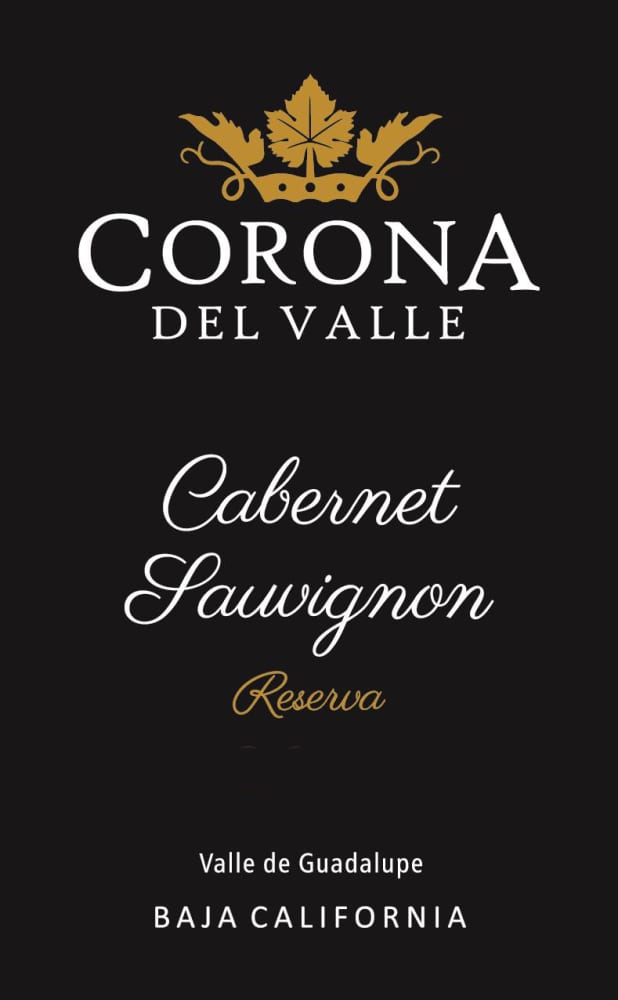
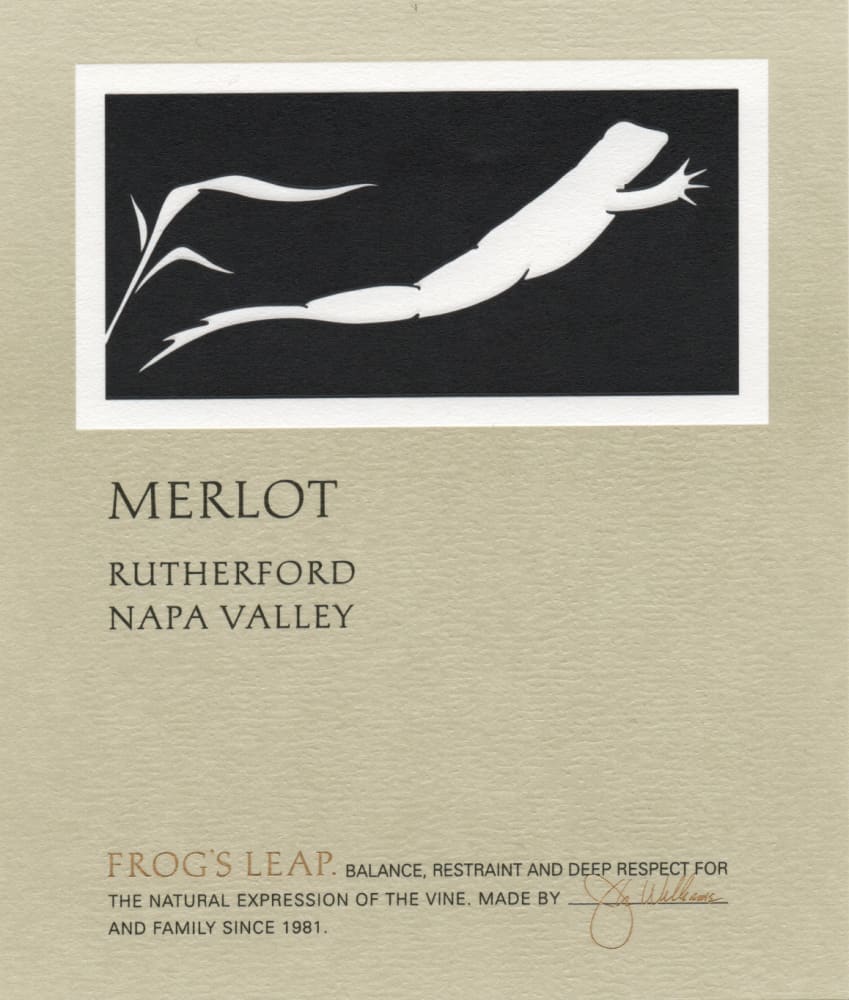
For a truly unique tasting experience, I recommend exploring blends that are crafted by wineries using a combination of grape varieties that they own or control. These selections often showcase the winemaker’s signature style and vision, resulting in complex flavors and aromas that you won’t find in standard offerings. Seek out bottles labeled as “proprietary blends” to uncover distinct profiles that highlight both the terroir and the artistry of the producer.
The allure of these selections lies in their exclusivity. Many winemakers keep the exact composition of their blends under wraps, which adds an element of intrigue. When you come across one, take note of the tasting notes provided by the winery. They can reveal insights into the grapes used and the intended flavor profile, helping you choose a bottle that matches your palate.

Additionally, pay attention to the vintage. The characteristics of each year can significantly impact the final product, leading to variations in taste and aroma. Exploring different vintages of the same blend can provide a fascinating perspective on how climate and conditions influence the wine. This exploration can enhance your appreciation and understanding of what makes each bottle special.
Understanding Proprietary Blends
These unique blends are crafted by winemakers who combine various grape varieties to create a distinct flavor profile. I recommend exploring these selections for their innovative approach and complexity. Often, they showcase a winemaker’s style and vision, making each bottle a personal statement. Look for labels that offer tasting notes, which can guide you in understanding their character.
When selecting a bottle, consider the region and vineyard practices, as these factors significantly influence the final product. Additionally, pay attention to the vintage; some years yield exceptional fruit that enhances the blend’s quality. If you’re curious, attending tastings can provide deeper insights into the nuances of these creations.
Many producers label their offerings simply with a creative name instead of traditional varietal designations. This can be a cue to try something new and unexpected. Always check reviews and ratings from reputable sources to ensure the quality of your choice.
Remember, these concoctions often provide an exceptional representation of the winery’s philosophy and the terroir’s influence. Exploring different brands can uncover hidden gems and broaden your palate. Embrace the adventure of tasting and discovering unique profiles.
Defining Proprietary Red Wine
In my exploration of exclusive blends, I find that these vintages often showcase unique characteristics that set them apart from traditional varietals. These creations usually emerge from a single winery and may incorporate a mix of grapes, allowing for innovation in flavor profiles and aromas. The winemaker’s vision plays a pivotal role in shaping the final product, often leading to a signature style that reflects the estate’s philosophy.
Characteristics of Exclusive Blends
The composition of these beverages can vary significantly, as producers are not confined to a specific grape variety. This flexibility encourages experimentation and the development of complex flavors. For example, a blend might combine grapes known for their fruitiness with those that add structure and depth, resulting in a well-rounded experience. Additionally, the aging process in various types of barrels can further enhance the complexity of these offerings.
Market Positioning and Value
These creations are often positioned as premium products, appealing to collectors and enthusiasts. Their limited availability can drive demand, making them sought-after items in auctions and wine shops. Understanding the provenance and production methods can significantly influence their value, as consumers often look for stories behind the bottle, enhancing the overall appreciation of these fine selections.
Key Characteristics of Proprietary Red Wines
When evaluating unique blends, I focus on specific attributes that stand out. Primarily, the flavor profile is crafted from a combination of varietals, often sourced from exceptional vineyards. This blend results in a distinct taste that reflects the winemaker’s vision.
Another significant aspect is the aging process, which often involves oak barrels, imparting complexity and depth. I find that the balance of tannins, acidity, and fruitiness is crucial for a harmonious experience. These elements work together to create a structured yet approachable profile.
Terroir plays a pivotal role as well. The geographical location and climate influence the grapes, contributing to the uniqueness of the product. Understanding the origin can enhance appreciation for the subtleties in flavor and aroma.
Typically, the packaging is also noteworthy. Elegant bottles and labels often accompany these creations, reflecting the craftsmanship involved. This attention to detail adds to the allure and perceived value of the offering.
Lastly, the storytelling aspect cannot be overlooked. Each bottle often comes with a narrative that adds emotional depth, creating a connection between the consumer and the creator. This personal touch enhances the overall experience and makes each sip memorable.
Popular Varietals Used in Proprietary Red Wines
In crafting a unique blend, I frequently encounter a selection of varietals that consistently stand out. Cabernet Sauvignon is often at the forefront, known for its bold flavors and structure. Merlot complements it with softness, providing a smoother mouthfeel. Syrah, with its spicy and fruity notes, adds complexity, making blends intriguing.
Additionally, I appreciate the role of Petit Verdot, which brings depth and rich color, enhancing the overall experience. Malbec offers a luscious, fruit-forward character that can elevate the blend’s appeal. Tempranillo, with its earthy undertones, introduces a distinct profile, balancing fruit and savory elements effectively.
Other varietals like Zinfandel and Grenache are occasionally included, contributing their unique characteristics. These grapes can impart a juicy, jammy quality or add floral and herbal notes, respectively. By experimenting with these combinations, I can create a wine that tells a story of its origin and the vision behind it.