Chuck Furuya

If you seek an intense and complex experience in a glass, I highly recommend trying a fusion of grapes that brings together bold flavors and velvety textures. This type of beverage is often crafted from a mix of varietals, creating a depth that is both intriguing and satisfying. Look for offerings that showcase a harmonious balance between fruitiness and tannic structure, often featuring grapes such as Cabernet Sauvignon, Syrah, and Merlot.
When selecting your bottle, consider the region of origin, as the climate and terroir significantly influence the flavor profile. For instance, blends from California tend to emphasize ripe fruit flavors and smooth finishes, while those from Bordeaux may present more earthy undertones and complexity. Pairing this fusion with grilled meats or rich pasta dishes can elevate your dining experience, allowing the intricate flavors to complement each other beautifully.
For an exceptional tasting experience, explore options that have been aged in oak barrels, as this can impart additional layers of spice and richness. Don’t hesitate to ask for recommendations at your local wine shop; knowledgeable staff can guide you toward hidden gems that will undoubtedly enhance your appreciation of this captivating beverage.
What is a Dark Red Blend Wine
This type of beverage is characterized by its combination of various grape varieties, often resulting in a rich and complex flavor profile. Typically, the grapes used are from well-known varietals such as Cabernet Sauvignon, Merlot, Syrah, and Zinfandel. Each contributes unique characteristics, enhancing the overall experience.
When evaluating this style, I consider factors such as:
- Aroma: Expect notes ranging from dark fruits like blackberry and plum to hints of spice and oak.
- Tasting Profile: A balance of sweetness and acidity, often with tannins that provide structure. Flavors may include chocolate, vanilla, or even tobacco.
- Serving Temperature: Best enjoyed slightly below room temperature, around 60-65°F (15-18°C), to highlight the aromas and flavors.
Food pairings enhance enjoyment; I recommend trying with:
- Grilled meats, such as steak or lamb.
- Rich pasta dishes, especially those with tomato-based sauces.
- Cheeses like aged cheddar or gouda.
Many producers experiment with blends to create distinctive profiles that reflect their unique terroirs. This experimentation can lead to exciting flavor combinations that surprise and delight. When selecting a bottle, I look for those with a good balance of fruit, acidity, and tannins for optimal enjoyment.
Exploring this category can uncover hidden gems from various regions, each offering something special. Don’t hesitate to try different blends to find your personal favorites.
Understanding the Characteristics of Dark Red Blends
To truly appreciate the nuances of these robust concoctions, focus on the key attributes. The color intensity often ranges from deep garnet to nearly opaque, hinting at the richness within. Aromas typically encompass dark fruits like blackberries, plums, and cherries, often complemented by notes of cocoa, vanilla, and spices. The complexity arises from the interplay of different varietals, each contributing unique flavors and textures.
Tasting Profile
On the palate, expect a full-bodied experience with well-integrated tannins and balanced acidity. Depending on the varietals used, you may encounter earthy undertones or floral hints. Aged versions often reveal smoother characteristics, showcasing layers of flavor that evolve with time. The finish can be long and satisfying, leaving a lasting impression that invites another sip.
Food Pairings
Pairing these robust selections with hearty dishes enhances the overall experience. Grilled meats, rich pasta sauces, and aged cheeses complement the wine’s structure. For a lighter option, consider roasted vegetables or mushroom-based dishes that align well with the wine’s depth. Experimenting with various pairings can elevate the tasting experience, revealing new dimensions of flavor.
Popular Grape Varieties in Dark Red Blends
For a rich and complex experience, I often choose blends that incorporate a variety of grape types. Here are some of the most common grapes found in these robust mixtures:
Cabernet Sauvignon
This grape is often the backbone of many rich blends. Its bold flavor profile features dark fruit notes like blackberry and plum, complemented by hints of green bell pepper and spice. The tannins provide a structure that enhances the overall mouthfeel.
Merlot
Merlot adds softness and lush fruitiness to blends. With flavors ranging from ripe cherry to chocolate, it balances the intensity of other varieties, creating a smoother finish. Its lower tannin levels make it appealing for those who prefer a less astringent experience.
Syrah/Shiraz
This grape variety contributes spiciness and depth, often bringing flavors of black pepper, smoked meat, and dark berries. Its full body and rich texture create a captivating complexity that enhances the overall blend.
Malbec
Malbec is known for its deep color and dark fruit flavors, including black cherry and plum. It adds a velvety texture and often exhibits floral notes, which can elevate the aromatic profile of the blend.
Tempranillo
This Spanish grape variety introduces earthy undertones and flavors of leather and tobacco. It typically has moderate acidity, which helps balance the fruitiness of other components in the mixture.
Incorporating these grape varieties not only adds complexity but also creates a harmonious balance that appeals to diverse palates. Experimenting with various combinations can lead to delightful discoveries in flavor and aroma.
How to Properly Taste Dark Red Blend Wines
Begin with selecting an appropriate glass, one that allows for the wine’s aromas to concentrate. It’s best to use a tulip-shaped glass. Pour a modest amount, about one-third full, to allow space for swirling.
Visual Assessment
Hold the glass against a white background to observe the color and clarity. Note the depth of hue, which indicates the intensity and potential age. Look for any sediment, which may suggest bottle age or specific winemaking techniques.
Aromatic Evaluation
Swirl the liquid gently to release its bouquet. Bring the glass to your nose and inhale deeply. Identify the primary scents; they could range from dark fruits like blackberry to herbal notes. Take your time and go back for multiple sniffs, as aromas can evolve.
Take a small sip, letting it coat your palate. Pay attention to the flavor profile, noting the balance between sweetness, acidity, and tannins. Evaluate the finish–how long the flavors linger–and any nuances that may emerge as you swallow. Consider the texture; does it feel smooth or robust? This assessment will deepen your appreciation of the composition and complexity.
Food Pairing Suggestions for Dark Red Blends
To enhance the experience with full-bodied, rich pours, I recommend pairing them with robust dishes that complement their complexities.
Meat Dishes
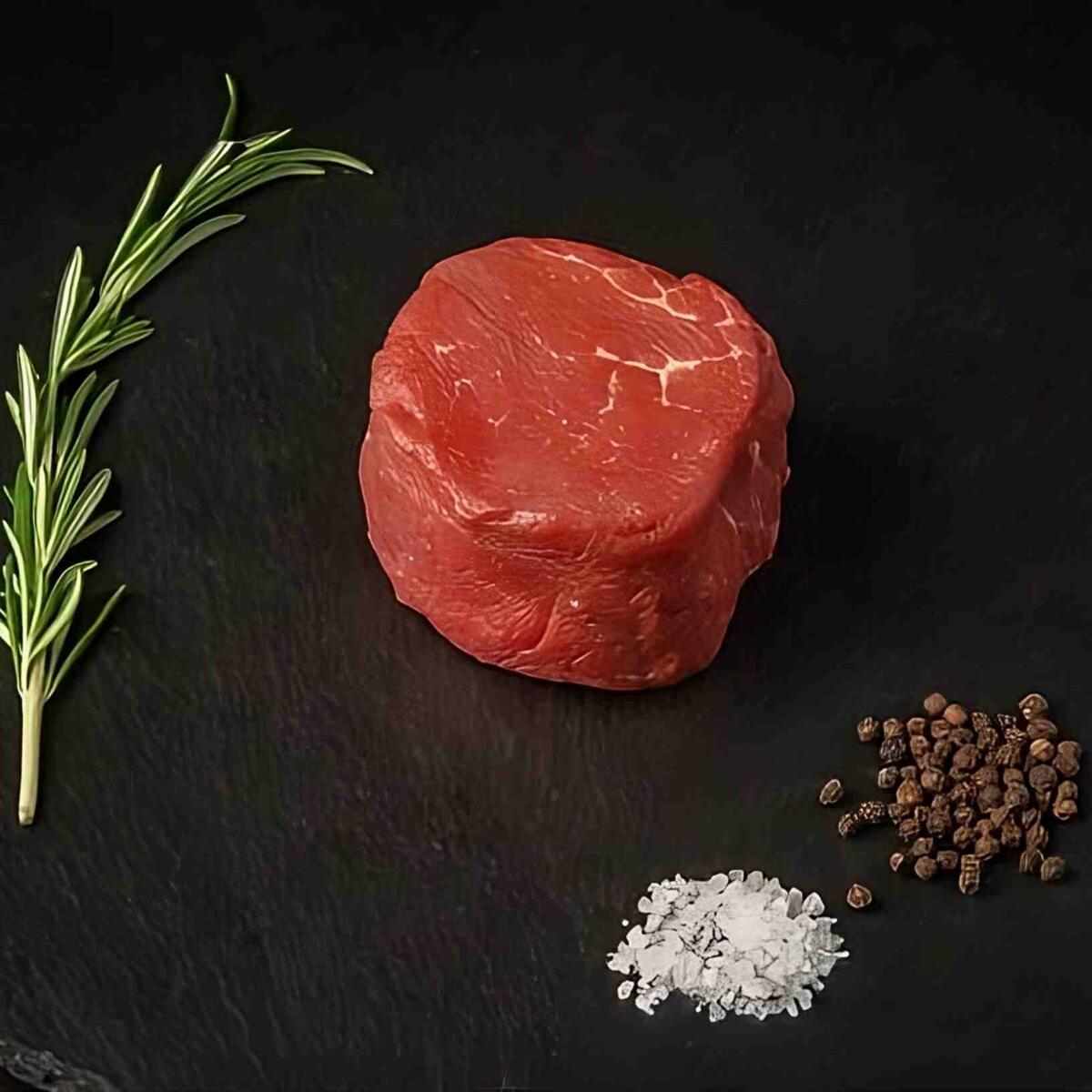
- Grilled Steak: The char and juices from a perfectly cooked steak harmonize beautifully.
- Lamb Chops: The gamey flavor of lamb pairs excellently with the bold characteristics of these mixtures.
- Beef Stew: The savory notes in a hearty stew amplify the depth of the drink.
Pasta and Cheese
- Spaghetti Bolognese: The rich tomato sauce and meat sauce enhance the fruitiness.
- Lasagna: Layers of cheese and meat create a satisfying pairing.
- Aged Cheddar: The sharpness of aged cheese balances the wine’s fruitiness.
For a delightful experience, consider combining these options based on the specific grape varieties present in your selection. Enjoy your meal!
Regions Known for Exceptional Dark Red Blends
For those seeking remarkable expressions of intense, full-bodied varietals, certain regions stand out globally. Here’s a focused look at some renowned areas where these captivating concoctions are crafted.
| Region | Notable Characteristics | Popular Grape Varieties |
|---|---|---|
| Bordeaux, France | Complex blends with a balance of fruit, acidity, and tannins; often age-worthy. | Merlot, Cabernet Sauvignon, Cabernet Franc |
| California, USA | Rich, opulent flavors with ripe fruit and bold structure; accessible styles. | Zinfandel, Syrah, Cabernet Sauvignon |
| Barossa Valley, Australia | Full-bodied and robust with a focus on ripe fruit and a hint of spice. | Shiraz, Grenache, Mourvèdre |
| Rioja, Spain | Elegance with a mix of fruit and oak influence; often aged for complexity. | Tempranillo, Garnacha, Graciano |
| Tuscany, Italy | Earthy and fruity with a good acidity; often showcases terroir-driven nuances. | Sangiovese, Cabernet Sauvignon, Merlot |
Each of these regions offers a unique interpretation of the style, influenced by local climate, soil, and winemaking traditions. Sampling selections from these areas can provide a deeper appreciation of the diverse flavor profiles and craftsmanship involved.