Chuck Furuya
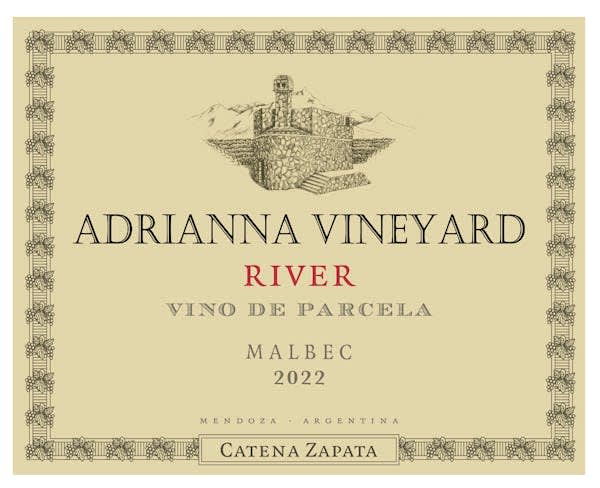

For anyone looking to appreciate the nuances of different varietals, I highly recommend starting with a Cabernet Sauvignon. This full-bodied option often showcases bold notes of blackcurrant, complemented by hints of cedar and tobacco. If you prefer a smoother experience, a Merlot offers a softer palate with flavors of plum and chocolate, making it more approachable for newcomers.
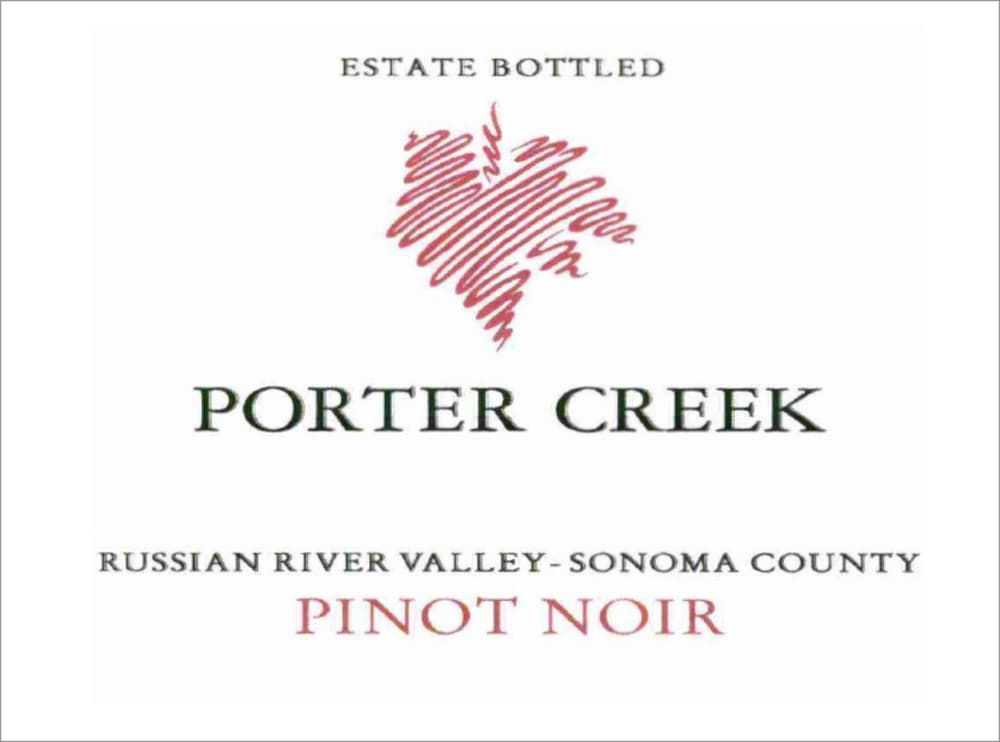
Pinot Noir stands out with its lighter body and vibrant acidity. I often find it presents a delightful mix of cherry and raspberry, with earthy undertones that appeal to those who enjoy complexity. For a spicier alternative, Syrah brings forward rich black fruit flavors alongside pepper and smoke, perfect for pairing with grilled meats.
Each varietal provides a unique experience that reflects its origin and vinification process. While tasting, pay attention to the structure and finish, as these elements contribute significantly to your overall enjoyment. Exploring these distinctions can enhance your appreciation and help you select the perfect bottle for any occasion.
How Terroir Influences Flavor Profiles
Exploring specific regions reveals how soil composition, climate, and topography shape unique characteristics in each varietal. For instance, wines from volcanic soils often exhibit mineral notes, while those from clay-rich areas can present a fuller body and rounder flavors.
Climate’s Role
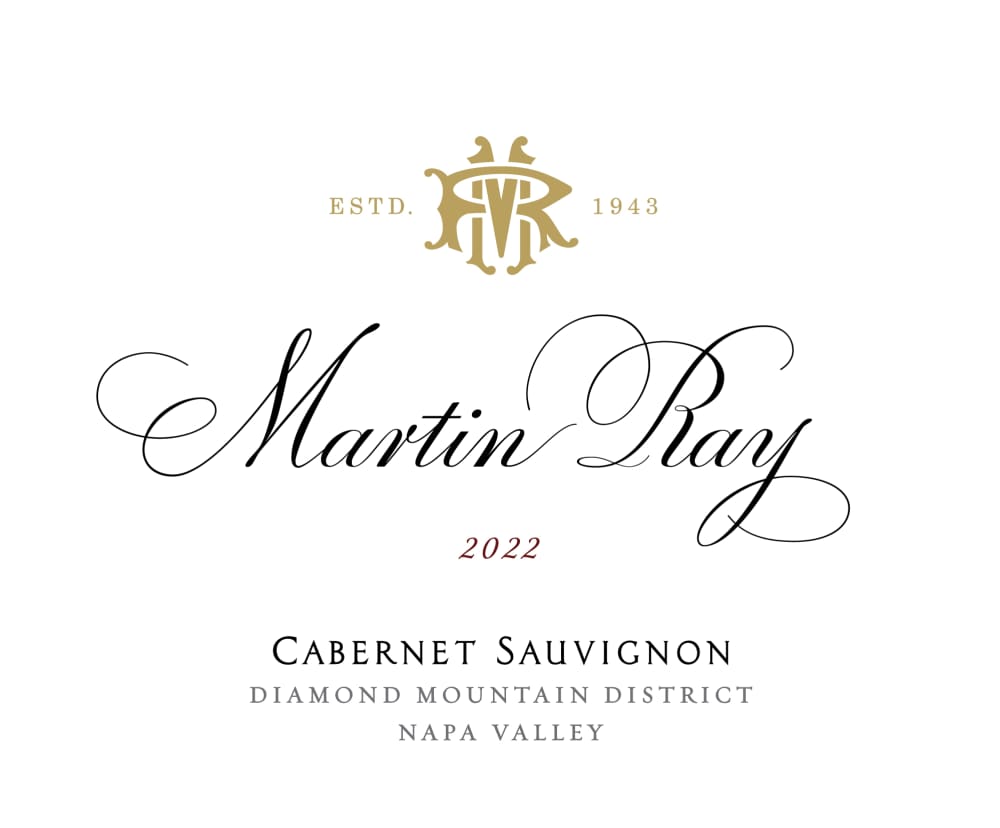
Temperature fluctuations play a significant role in ripening grapes. Warmer climates yield fruits with higher sugar levels, resulting in bolder profiles. In contrast, cooler conditions may produce more acidity and lighter characteristics. For example, a Cabernet Sauvignon from Napa Valley typically showcases robust fruit flavors, while one from Bordeaux might reflect a more restrained and nuanced profile.
Soil Composition
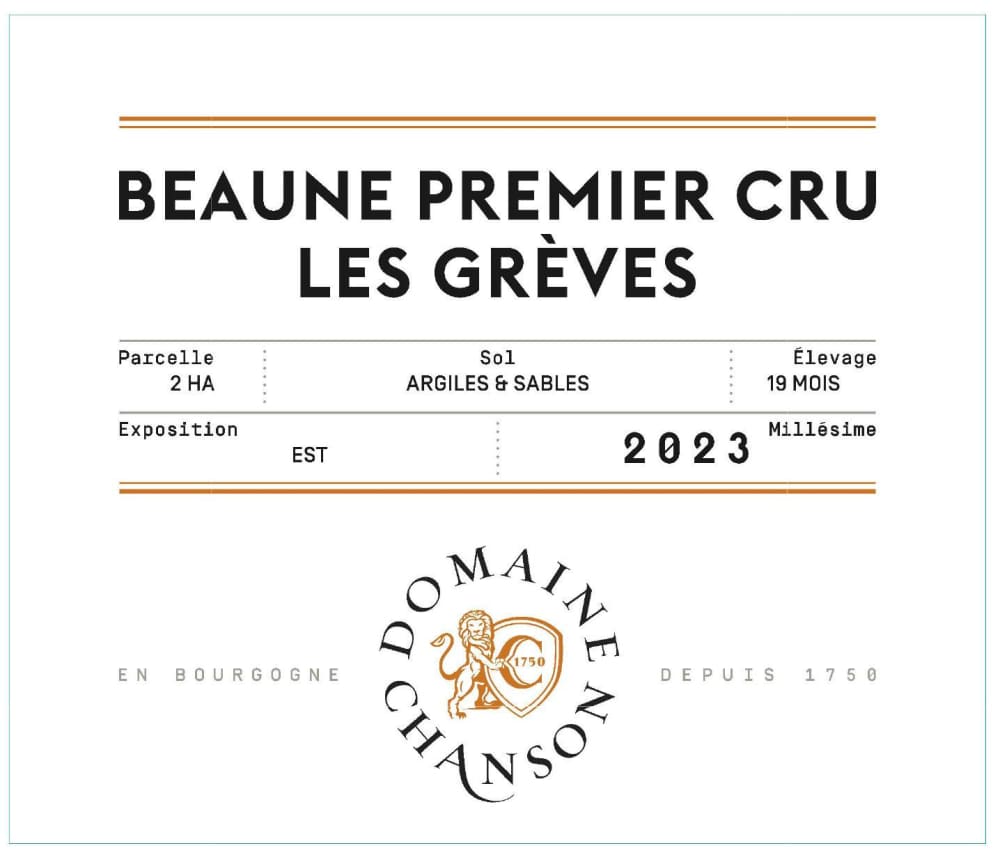
Different soil types impart distinct qualities. Sandy soils promote drainage, leading to wines with finesse and elegance, whereas loamy soils can enhance complexity and depth. For example, Pinot Noir from Burgundy, grown in clay-limestone soils, often exhibits intricate layers of flavor, while those from the Willamette Valley, with their volcanic soils, might showcase brighter fruit notes and earthy undertones.
Comparing Tannins in Different Red Wines
I recommend exploring the tannin structure in various types of red varietals to appreciate their unique characteristics. For instance, Cabernet Sauvignon typically exhibits higher tannin levels, contributing to its robust profile and aging potential. In contrast, Pinot Noir tends to have lower tannins, offering a smoother mouthfeel and lighter body, which can appeal to those seeking a more delicate experience.
Merlot strikes a balance with moderate tannins, providing a rounder mouthfeel and softer finish, making it versatile for pairing with an array of dishes. Syrah, on the other hand, can present bold tannins along with rich fruit flavors, creating a powerful impact on the palate.
When evaluating tannins, consider how they interact with acidity and sweetness. A high-tannin wine like Nebbiolo can feel astringent, yet its acidity allows for a refreshing balance. Conversely, Zinfandel may offer a fruit-forward profile with softer tannins, resulting in a more approachable taste.
For an informed selection, I suggest sampling wines from different regions and producers, as tannin extraction can vary with winemaking techniques and grape ripeness. This exploration can lead to discovering personal preferences in texture and flavor intensity.
Impact of Aging on Red Wine Flavor
Aging significantly alters characteristics of a bottle, enhancing complexity and depth. Generally, prolonged maturation leads to softer tannins and increased integration of flavors. This process can transform bold, fruity notes into more subtle, nuanced profiles, offering layers of aroma and sensation.
Typically, barrels made from oak impart additional flavors during aging. The choice of oak type, along with the level of toasting, affects the final profile. For instance, French oak often contributes spice and vanilla, while American oak can add coconut and sweetness. The interaction between wine and wood creates a unique identity over time.
Different varietals respond uniquely to aging. For instance, Cabernet Sauvignon can develop notes of leather and tobacco, while Pinot Noir often evolves to reveal earthy tones and red fruit complexities. Understanding how specific grapes evolve helps in selecting bottles for aging.
| Varietal | Aging Potential | Common Flavor Changes |
|---|---|---|
| Cabernet Sauvignon | 5-20 years | Leather, tobacco, dark fruit |
| Merlot | 3-10 years | Chocolate, plum, herbs |
| Pinot Noir | 3-15 years | Earth, cherry, spice |
| Syrah/Shiraz | 5-15 years | Blackberry, pepper, smoked meat |
When selecting bottles for aging, consider the balance of acidity, tannin structure, and fruit concentration. Bottles with higher acidity and robust tannins often yield better results over time. Regular tasting during the aging process can provide insights into the evolution of flavors, guiding decisions on optimal consumption windows.
Flavor Notes: From Fruity to Earthy
In my experience, flavor profiles can range widely, captivating the palate in various ways. Fruity notes often dominate certain varietals, with flavors like cherry, raspberry, and plum standing out in wines such as Pinot Noir. These fruity characteristics can create a lively and refreshing experience, making them ideal for lighter dishes or casual gatherings.
On the other hand, some selections lean towards earthy nuances. Wines like Cabernet Sauvignon and Merlot often exhibit flavors of tobacco, leather, or forest floor, which can add depth and complexity. These earthy elements complement hearty meals, enhancing the overall dining experience.
Exploring Spicy and Herbal Undertones
Another intriguing aspect is the presence of spice and herbaceous qualities. Varietals like Syrah can showcase black pepper and clove, while others may present hints of rosemary or thyme. These flavors can elevate a wine’s profile, offering an exciting contrast to the fruitiness or earthiness.
Balancing Sweetness and Acidity
Sweetness and acidity also play a significant role. Some wines strike a perfect balance, with subtle sweetness enhancing fruit flavors without overpowering them. In contrast, others may exhibit higher acidity, providing a refreshing lift that can brighten richer dishes, making them more enjoyable. Understanding these nuances allows for better pairings and a more satisfying experience.
Understanding the Role of Grape Varieties
Choosing a specific grape variety significantly impacts your experience with wine. Each type brings unique characteristics that shape aroma and flavor profiles.
Here are key grape varieties and their notable traits:
- Cabernet Sauvignon: Known for its boldness, this variety often features dark fruit flavors like blackberry and plum, coupled with herbal notes and a hint of green bell pepper.
- Merlot: Typically softer than Cabernet, Merlot tends to offer a fruitier profile with plum and cherry notes, often accompanied by chocolate and vanilla undertones.
- Pinot Noir: Renowned for its complexity, this grape exhibits flavors ranging from red fruits like cherry and raspberry to earthy notes such as mushroom and forest floor, along with floral elements.
- Syrah/Shiraz: This variety is rich and full-bodied, often showcasing dark fruit flavors, pepper, and smoky notes, ideal for those who enjoy a robust experience.
- Zinfandel: Known for its jammy fruitiness, Zinfandel offers flavors of blackberry and raspberry, with spicy and peppery undertones that can vary based on the winemaking process.
Experimenting with different varieties allows for a richer exploration of flavors. Each selection can evoke varied sensory experiences, making it worthwhile to try several types to find personal preferences. Pay attention to the labels and regions, as they can hint at the specific characteristics you might enjoy.
Food Pairing: Matching Red Wines with Cuisine
For a delightful dining experience, I recommend pairing Cabernet Sauvignon with grilled meats, particularly steak. The robust structure complements the rich flavors of beef perfectly.
Ideal Pairings for Various Varieties
- Merlot: This smooth option goes well with roasted chicken and pork dishes due to its soft tannins and fruity notes.
- Pinot Noir: I find that its lighter profile pairs beautifully with salmon or mushroom risotto, enhancing the earthy flavors.
- Syrah/Shiraz: Bold and spicy, these wines match excellently with barbecued ribs and spicy stews, bringing out the complexity of both.
- Zinfandel: Great alongside pizza or pasta with marinara sauce, as its fruitiness balances the acidity of tomato-based dishes.
Regional Cuisine Considerations
Regional dishes often harmonize better with wines from the same area. For example, a Chianti pairs nicely with Italian fare like pasta alla Bolognese, while a Malbec from Argentina complements empanadas or grilled meats typical of its origin.
Ultimately, exploring different combinations can enhance your culinary adventures. Trust your palate and enjoy the journey of discovering new pairings!