Chuck Furuya

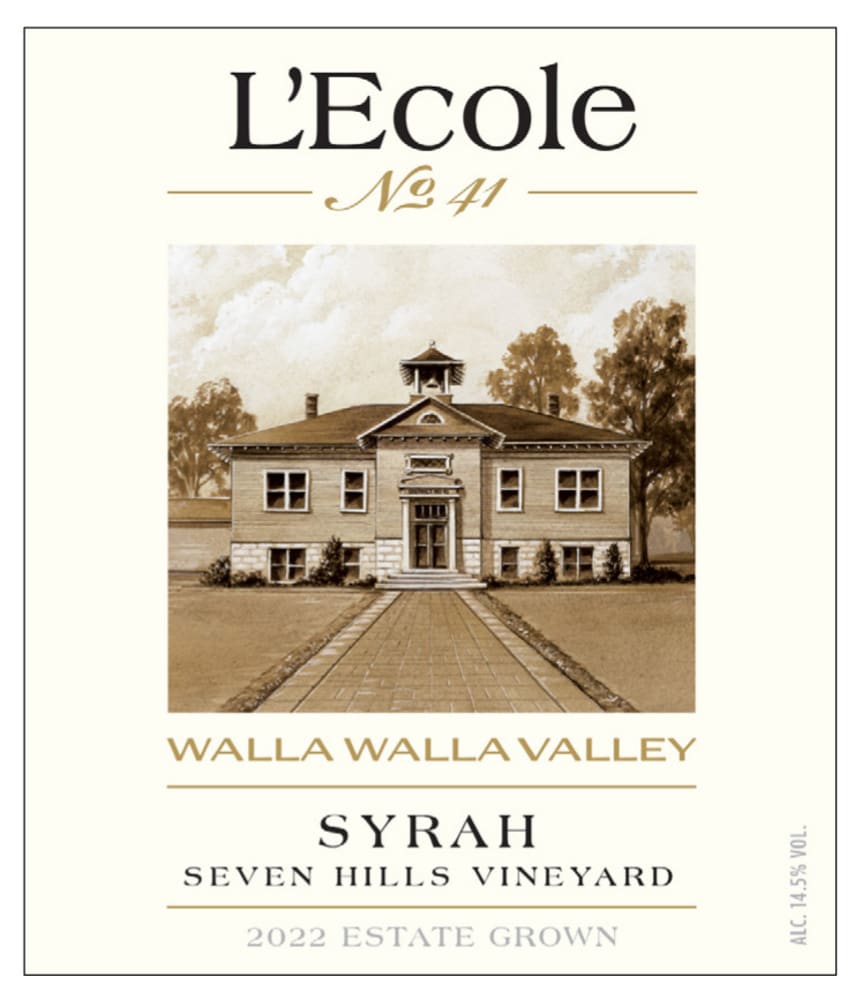
Recently, I’ve noticed a distinct change in my experience with red varieties, leading me to reevaluate my preferences. A few factors contribute to this shift, primarily alterations in personal health, palate sensitivity, and even emotional associations tied to specific vintages.
First, my taste buds have evolved. As I age, the ability to perceive certain flavors diminishes, while others may become more pronounced. This could explain why previously enjoyed notes feel overwhelming or off-putting now. Exploring lighter options, such as rosés or whites, may offer a refreshing alternative.
Additionally, dietary changes can influence flavor perception. Red meats and rich foods traditionally pair well with bold reds, but reducing these in my diet has led to a disconnect. Experimenting with food pairings that enhance other varietals may rekindle enjoyment.
Lastly, emotional connections to specific bottles can dramatically alter how I perceive them. If a particular vintage is tied to negative memories, it could overshadow the flavors. Reflecting on these associations and perhaps trying new selections can pave the way for a renewed appreciation.
Changes in Taste Bud Sensitivity Over Time
As I age, I notice alterations in my palate. Taste bud sensitivity can diminish due to various factors, including age, health conditions, and lifestyle choices. Understanding these changes can provide insights into my shifting preferences.
Factors Influencing Taste Perception
Several elements can contribute to the evolution of taste perception:
| Factor | Impact on Taste |
|---|---|
| Age | Reduction in taste buds and olfactory receptors leads to decreased sensitivity. |
| Health Conditions | Illnesses such as diabetes or neurological disorders can alter taste perception. |
| Medication | Certain drugs may affect taste sensitivity, causing flavors to be less pronounced. |
| Dietary Habits | Frequent consumption of highly processed foods can dull taste sensitivity over time. |
| Smoking | Nicotine can impair taste perception, reducing enjoyment of various flavors. |
Adapting to New Sensations
To adapt to my changing palate, I consider exploring different flavor profiles and cuisines. Incorporating herbs, spices, and fresh ingredients can enhance my overall tasting experience. Staying hydrated and maintaining oral health also plays a crucial role in preserving taste bud functionality.
Impact of Diet and Lifestyle on Wine Perception
Adjusting my eating habits has significantly influenced my experience with fermented beverages. Certain foods can amplify or diminish flavors, and I’ve found that high-sugar or overly spicy meals can obscure the nuanced profiles of certain varieties. It’s essential to consider the following:
- Dietary Changes: A diet rich in processed foods can alter taste perception. Fresh ingredients often enhance flavor sensitivity.
- Hydration Levels: Dehydration can dull taste receptors. Maintaining adequate fluid intake is crucial for optimal flavor recognition.
- Fat Intake: Foods high in fat can coat the palate, masking subtleties in flavor. Pairing lighter dishes with certain varietals can improve the tasting experience.
- Spices and Seasonings: Strong spices can overpower delicate notes. Choosing milder pairings can enhance enjoyment.
Additionally, lifestyle choices contribute to perception shifts:
- Smoking: Tobacco can diminish taste sensitivity, leading to a less enjoyable experience with complex flavors.
- Alcohol Tolerance: Changes in consumption habits may alter preferences and perceptions of what is enjoyable.
- Stress and Mood: Emotional states can impact sensory experiences. Reducing stress through mindfulness can enhance appreciation.
Monitoring these aspects has helped me regain a more favorable perception of flavors. Small adjustments can lead to meaningful improvements in how I experience these beverages.
Role of Aging and Oxidation in Flavor
Aging significantly alters characteristics, leading to complex profiles that can either appeal or deter. I noticed that prolonged exposure to oxygen during maturation enhances certain compounds, creating depth. Tannins soften while fruit flavors evolve into more earthy or spicy notes. This transformation, however, can sometimes result in unappealing characteristics, especially if the process goes too far.
Oxidation Effects
Oxidation plays a crucial role in developing flavors. Controlled oxidation allows for the gradual release of aromatic compounds, enriching the overall palette. However, excessive oxidation can lead to off-flavors, such as vinegar-like qualities or a flat profile. This shift can be unappealing, especially if one prefers fresher, fruit-forward styles.
Balancing Aging and Freshness
Finding the right balance between age and freshness is key. I’ve learned to appreciate younger varieties or those that emphasize bright fruit flavors. Understanding personal preferences in this context leads to more enjoyable experiences, steering clear of overly matured options that no longer resonate with my palate.
Psychological Factors Affecting Wine Enjoyment
To enhance the appreciation of fermented beverages, I focus on my mindset and emotions while consuming them. The psychological state plays a significant role in flavor perception. Stress or negative associations can diminish enjoyment. I make it a point to create a relaxed atmosphere, free from distractions, allowing my senses to fully engage with each sip.
Expectations and Experience
My previous experiences shape my expectations. If I recall a past encounter with a particular vintage, it influences my current perception. I consciously remind myself to approach each tasting with an open mind, free from preconceived notions. This shift in perspective can lead to surprising discoveries.
Social Influences
Surroundings and companions affect my enjoyment levels. Sharing a bottle with friends or during celebrations enhances the experience. I pay attention to the social context, recognizing that positive interactions with others can heighten the flavors I perceive. Conversely, negative company can hurt my experience, so I choose my wine companions wisely.
Ultimately, by adjusting my mindset and social environment, I can significantly improve my experience with fermented beverages, allowing me to rediscover flavors previously overlooked.
Exploring Alternative Wine Options for Better Experience
Transitioning to lighter varieties, such as Pinot Grigio or Sauvignon Blanc, has significantly enhanced my enjoyment of fermented beverages. These whites often deliver refreshing acidity and fruit-forward notes that invigorate the palate without overwhelming it. Additionally, exploring rosé wines has provided a delightful middle ground, combining characteristics of both red and white. Their versatility makes them suitable for various occasions, from casual gatherings to formal dinners.
Experimenting with Sparkling Wines
Incorporating sparkling options, like Prosecco or Champagne, has added a celebratory element to my tasting experiences. The effervescence can elevate flavors and create a unique mouthfeel that captivates the senses. I often find that the vibrant bubbles not only enhance the taste but also make the drinking experience more enjoyable.
Discovering Low-Alcohol and Natural Wines
Low-alcohol wines, often produced through different vinification methods, have become a favorite of mine. These tend to offer a more delicate flavor profile, allowing me to savor the nuances without feeling overwhelmed. Additionally, exploring natural wines has introduced me to intriguing and unconventional flavors, often with minimal intervention in the winemaking process. This approach brings a connection to the terroir and the grape itself, offering a fresh perspective on what a glass of fermented grape juice can be.
FAQ:
Why has my enjoyment of red wine decreased over time?
Your taste preferences can change due to a variety of factors. These may include changes in your palate, health conditions, or even lifestyle shifts. For instance, if you’ve altered your diet or increased your consumption of certain foods, this might influence how you perceive the taste of red wine. Additionally, exposure to different types of beverages or wines could lead to a preference for lighter or sweeter options, causing red wine to seem less appealing.
Could my health be affecting my taste for red wine?
Yes, certain health issues can impact your sense of taste. Conditions such as sinus infections, allergies, or even medication side effects may alter your taste perception. For instance, if you’re taking medication that affects your taste buds, red wine may not taste the same as it once did. It’s also possible that age-related changes in taste perception could play a role, as many people notice shifts in their taste preferences as they get older.
What role does the quality of wine play in my perception of its taste?
The quality of the wine can significantly affect how you perceive its taste. If you’ve been drinking lower-quality wines, your previous enjoyment of red wine could diminish as your palate becomes accustomed to better options. Additionally, if you’ve developed a taste for specific varietals or regions, lower-quality wines may no longer meet your expectations. It’s worth experimenting with different types of red wines to see if a higher quality or different style reignites your appreciation.
Are there psychological factors that can influence my taste for red wine?
Absolutely, psychological factors can play a significant role in taste perception. If you’ve had negative experiences associated with red wine, such as a bad hangover or an unpleasant tasting experience, this could create a mental block that affects your enjoyment. Stress, mood, and even social context can also influence how you perceive flavors. If you associate red wine with a negative experience, it may be challenging to enjoy it again without addressing those feelings.
What can I do to rekindle my interest in red wine?
To rekindle your interest in red wine, consider exploring different varieties, regions, and styles. Attend tastings or winery tours to increase your exposure to various options. Pairing red wine with different foods can also enhance its flavors and make the experience more enjoyable. If you’ve been avoiding it due to negative associations, try to approach it with a fresh mindset, perhaps in a new social setting or with friends who appreciate it. This can help you rediscover what you once enjoyed about red wine.
Why has my enjoyment of red wine diminished over time?
Your changing taste preferences can result from various factors. It could be related to physiological changes, such as alterations in your taste buds or olfactory senses as you age. Additionally, lifestyle changes, including diet or health conditions, may influence your perception of flavors. Stress and emotional states can also affect how you experience taste. If you’ve recently shifted your diet or reduced alcohol intake, that might also play a role. Lastly, your previous wine experiences, like memorable pairings or occasions, can shape your current enjoyment, leading to a more critical perspective on flavors.