Chuck Furuya
For those seeking a delightful, sugary experience in their choice of fermented grape beverages, I recommend opting for a fruity blend or a late-harvest selection. These varieties often boast a higher residual sugar content, providing that luscious taste profile that many enthusiasts crave.
Among the options, selections labeled as dessert styles or those made from specific grapes like Muscat or Zinfandel tend to be the sweetest. They often exhibit rich flavors of berries, stone fruits, or tropical notes, making them enjoyable on their own or paired with desserts.
It’s also worth exploring sparkling versions, particularly those that emphasize fruitiness. These can provide an exhilarating burst of sweetness while maintaining a refreshing quality, perfect for festive occasions or casual gatherings. Don’t hesitate to sample a few different types to find your personal favorite!
Which Type is the Sweetest?
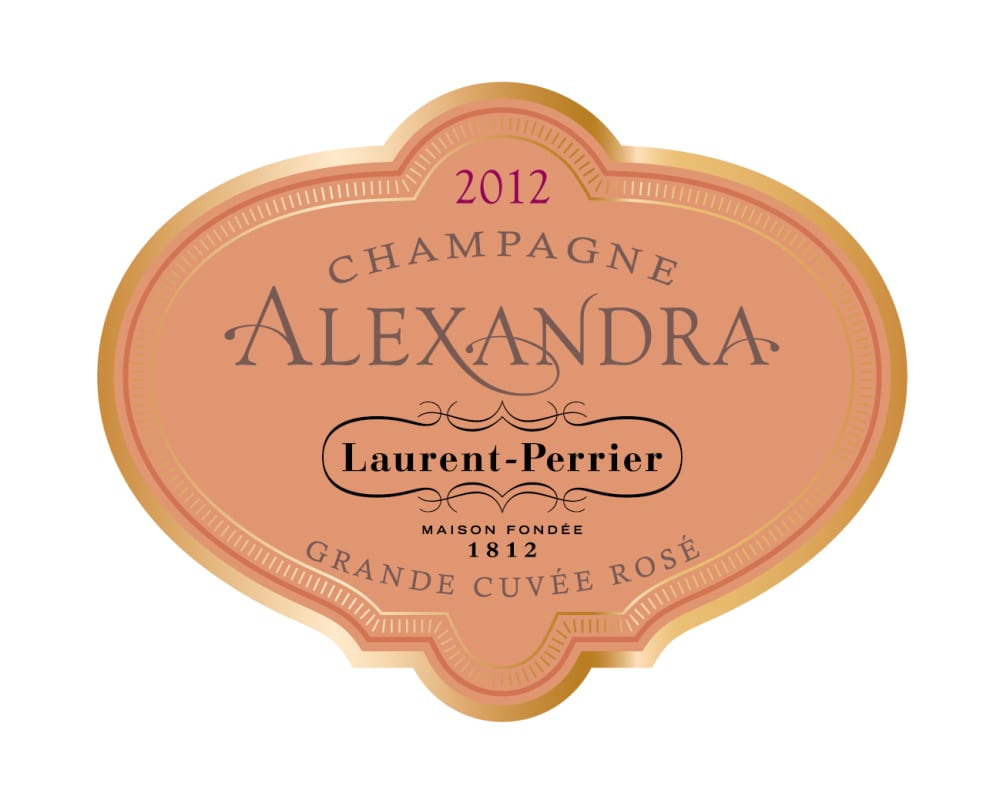
For those seeking delightful flavors, the most sugary options often emerge from the realm of rosé. This category frequently showcases a delightful balance of fruitiness and sweetness, appealing to many palates. The natural sugars retained during the winemaking process contribute significantly to this appeal.
Characteristics of Each Type
Red varieties can possess residual sweetness, particularly those made with fruity grape types. However, they typically lean towards a drier profile, especially if aged. On the other hand, lighter styles of white can also feature sweetness, especially dessert iterations or those crafted from late-harvest grapes. These choices often provide a refreshing taste, complementing various dishes.
Recommendations for Sweet Lovers
If you’re inclined toward sweeter options, consider seeking out specific brands or labels that emphasize their fruity notes, particularly in rosé selections. Certain white wines, like Moscato or Riesling, can also satisfy cravings for sugary flavors. Always check the label for sweetness indicators or consult with a knowledgeable vendor to ensure the best choice for your taste preferences.
Understanding the Sugar Content in Different Wine Types
I recommend focusing on residual sugar levels to gauge sweetness in various beverages. Typically, the sugar content can vary significantly among different styles. For instance, certain options labeled as dessert varieties may have over 30 grams of sugar per liter, while off-dry selections might contain between 10 to 30 grams. Regular table types usually range from 0 to 10 grams.
The fermentation process plays a critical role in determining sugar levels. If the yeast consumes all the sugars, the result is a dry product. However, winemakers can halt fermentation early, leaving behind residual sugars, which enhances the sweetness. This makes it essential to check the labeling or consult with producers for specific sugar content information.
Pairing preferences also influence choices. For instance, lighter fare often complements drier options, while richer dishes may benefit from those with a higher sugar content. Personal taste is key here; some individuals may prefer more sugary profiles regardless of food pairing.
For those exploring options, I suggest sampling a variety to identify personal preferences. Tasting events or guided sessions can provide valuable insights into how sugar content affects flavor profiles. Understanding these nuances will enhance the overall experience, making it enjoyable and tailored to individual likes.
Comparing Sweetness Levels Between Red and White Wines
In my experience, the perception of sweetness varies significantly between these two categories. Generally, those made from darker grapes tend to have a lower sugar content compared to their lighter counterparts. However, some varieties challenge this norm.
Here’s a breakdown of common types:
- Darker Varieties: Many of these tend to be dry, but exceptions exist. For instance, a Brachetto d’Acqui offers a delightful sweetness.
- Lighter Varieties: Options such as Riesling and Gewürztraminer frequently showcase higher sugar levels, often resulting in a noticeable sweetness.
- Fortified Options: Examples like Port and Sherry are known for their richness and elevated sugar content, appealing to those who enjoy a more indulgent experience.
When I explore the realm of blush beverages, I find they often fall in between. They can be crafted to be either dry or sweet, depending on the winemaking process.
For those seeking sweeter options, I recommend:
- Exploring dessert variants such as Moscato or Sauternes.
- Sampling fruity blends that utilize residual sugars to enhance flavor.
- Trying sparkling choices like Asti Spumante, which often retains a delightful sweetness.
In conclusion, while darker options generally align with drier profiles, lighter selections frequently offer a range of sweetness. Ultimately, personal preference plays a key role in selecting the ideal choice for your palate.
How Rosé Wines Fit into the Sweetness Spectrum
Rosé options can range from dry to noticeably sweet, often falling in between the extremes of their darker and lighter counterparts. With a focus on the residual sugar content, many offerings in this category present a unique experience for those who appreciate a hint of sweetness paired with refreshing acidity.
The sweetness in rosés typically varies based on the grape variety and production method. Some styles, like White Zinfandel, exhibit a pronounced sweetness, appealing to those who prefer a more sugary profile. Others, such as Provence rosés, lean towards a dry finish, allowing for a more balanced palate that emphasizes fruit flavors without overwhelming sweetness.
When selecting a rosé, consider the label for specific terms indicating sweetness levels. Words like “off-dry” suggest a slight sweetness, while “dry” denotes minimal residual sugar. For a sweeter experience, seek out options with descriptors such as “fruity” or “sweet” to ensure satisfaction.
Additionally, pairing preferences can influence your choice. Enjoying a sweeter rosé with spicy dishes or desserts can enhance the overall dining experience, creating a delightful contrast. Understanding the range of options available in this category allows for a tailored selection that meets individual tastes.
In conclusion, rosé selections present a versatile array of sweetness, making them suitable for varied palates. By being aware of the characteristics and labels, one can confidently navigate this delightful section of the beverage spectrum.