Chuck Furuya

If you’re seeking a flavorful yet dry option, I recommend exploring Cabernet Sauvignon. This variety typically showcases notes of dark fruits like blackcurrant and plum, complemented by hints of spice and oak. Its tannins provide a robust structure, making it a great match for grilled meats or rich pasta dishes.
Another excellent choice is Pinot Noir. Known for its lighter body, this option offers a balance of red fruit flavors, such as cherry and raspberry, with earthy undertones. Its acidity makes it versatile, pairing well with a range of cuisines, from poultry to mushroom risottos.
For those who appreciate a bolder taste, consider Malbec. Originating from Argentina, it presents rich flavors of blackberry and black cherry, often enhanced by a hint of chocolate or tobacco. The velvety texture and moderate tannins make it a delightful companion for barbecued dishes or hearty stews.
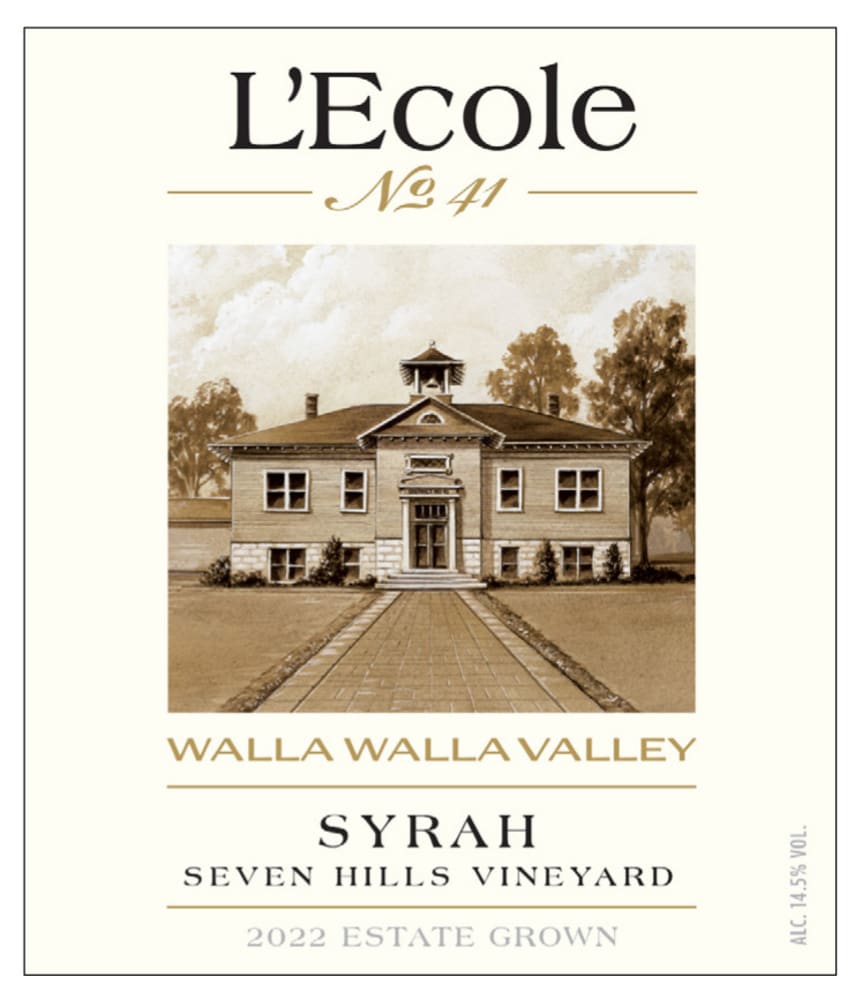
Lastly, Syrah or Shiraz can be an intriguing selection. With its intense flavors of dark fruits, pepper, and herbs, this option often delivers a full-bodied experience. It pairs wonderfully with grilled meats and savory cheeses, making it a fantastic choice for gatherings.
Choosing a Less Sugary Option in Red Varietals
For those seeking a drier experience, I recommend exploring the following varieties:
- Cabernet Sauvignon: Known for its full body and rich flavors, this choice typically exhibits low residual sugar levels, making it quite dry.
- Merlot: While it can have a plush texture, many Merlots are crafted in a way that highlights acidity over sweetness.
- Pinot Noir: This lighter option often features bright fruit notes with a refreshing finish, generally avoiding any sugary profile.
- Sangiovese: Predominantly used in Chianti, this grape delivers a balanced acidity and dryness, perfect for those who enjoy a savory taste.
- Tempranillo: Hailing from Spain, it offers earthy undertones and minimal sweetness, making it a great companion for various dishes.
When selecting a bottle, check the label for terms like “dry” or “brut,” as these indicate lower sugar content. Additionally, I often prefer options that have been aged in oak barrels, as this can enhance complexity while keeping sweetness at bay.
Exploring these varieties will surely lead to satisfying choices that align with your preference for less sugary offerings.
Understanding Dry Red Wine Characteristics
Choosing a less sugary option involves focusing on specific traits. Look for varieties like Cabernet Sauvignon, Merlot, or Pinot Noir, which typically exhibit lower residual sugar levels. These selections tend to showcase a balanced profile of acidity and tannins, providing complexity without overwhelming sweetness.
Flavor Profiles
These selections often present flavors such as dark fruits, earthiness, and herbal notes. Cabernet Sauvignon, for example, often reveals hints of blackcurrant and green bell pepper, while Merlot might offer plum and chocolate undertones. Pinot Noir can surprise with its floral and berry characteristics, making it a versatile choice.
Serving Recommendations
Serving temperatures also impact perception. Keeping these beverages cool, around 60-65°F (15-18°C), enhances their refreshing qualities, allowing the subtle complexities to shine through. Pairing with grilled meats, rich cheeses, or mushroom dishes complements their profiles, enhancing the overall tasting experience.
By focusing on these traits, I consistently enjoy selections that are satisfying without being overly sugary, allowing for a more nuanced appreciation of each glass.
Popular Dry Red Wine Varietals
For those who prefer a less sugary experience, exploring the following selections will yield satisfying results:
Cabernet Sauvignon
This varietal stands out with its bold tannins and rich flavors, often featuring notes of blackcurrant, cedar, and bell pepper. Regions like Napa Valley and Bordeaux produce exceptional bottles that embody depth and complexity.
Merlot
Merlot offers a smoother profile, showcasing plum, cherry, and chocolate undertones. It typically has a medium body and softer tannins, making it approachable. Look for options from regions such as Washington State or California.
Syrah/Shiraz
With its spicy and fruity character, Syrah often exhibits flavors of blackberry, pepper, and smoked meat. This varietal thrives in places like the Rhône Valley and Australia, delivering robust and full-bodied experiences.
Malbec
This Argentine favorite features dark fruit flavors, often accompanied by hints of cocoa and leather. Its smooth texture and firm tannins create a delightful balance, making it a great choice for various occasions.
Pinot Noir
Renowned for its elegance, Pinot Noir presents a lighter body with flavors of cherry, raspberry, and earthy notes. Burgundy and Oregon are known for producing exquisite examples of this varietal.
| Varietal | Flavor Profile | Notable Regions |
|---|---|---|
| Cabernet Sauvignon | Blackcurrant, cedar, bell pepper | Napa Valley, Bordeaux |
| Merlot | Plum, cherry, chocolate | Washington State, California |
| Syrah/Shiraz | Blackberry, pepper, smoked meat | Rhône Valley, Australia |
| Malbec | Dark fruit, cocoa, leather | Argentina |
| Pinot Noir | Cherry, raspberry, earthy | Burgundy, Oregon |
These varietals provide a diverse array of flavor experiences while maintaining a dry profile, ensuring satisfaction for those who appreciate less sweetness in their glass.
How to Identify Low-Sugar Red Wines
To find options with minimal sweetness, I check the alcohol content. Typically, higher alcohol levels indicate lower residual sugar. I prefer selections with at least 13.5% alcohol, as these often have a drier profile.
Next, I read the wine label or description carefully. Terms like “dry” or “no residual sugar” signal a lack of sweetness. I also look for varietals known for lower sugar levels, such as Cabernet Sauvignon, Syrah, or Pinot Noir.
When tasting, I focus on the acidity. A well-balanced beverage should have noticeable acidity, which can counterbalance any residual sugar. I pay attention to flavors like dark fruits, spices, or herbal notes, which often indicate a less sugary option.
If available, I opt for wines made in cooler climates where grapes tend to have higher acidity and lower sugar levels. Regions like Bordeaux or Burgundy are excellent choices for this reason.
Lastly, I consult with knowledgeable staff at wine shops or read reviews online. They can guide me toward selections that meet my preference for lower sugar content.
Regions Known for Producing Dry Reds
I recommend exploring certain regions recognized for their exceptional production of dry varieties. Each area offers distinct flavors and profiles that enhance the tasting experience.
Bordeaux, France
Bordeaux is celebrated for its classic blends, primarily composed of Merlot and Cabernet Sauvignon. The region’s gravelly soils contribute to the structured tannins and deep flavors. Notable sub-regions include:
- Margaux
- Pauillac
- Saint-Émilion
Tuscany, Italy
Tuscany is renowned for Sangiovese, which is often found in Chianti. The region’s sun-drenched hillsides produce wines with vibrant acidity and earthy undertones. Key areas include:
- Chianti Classico
- Brunello di Montalcino
- Vino Nobile di Montepulciano
Other noteworthy regions include the Rhône Valley in France, producing Syrah and Grenache, as well as the Napa Valley in California, known for its full-bodied Cabernet Sauvignon. Each of these locations provides a unique tasting journey, reflecting local terroirs and winemaking traditions.
Reading Wine Labels for Sweetness Levels
To determine the level of sweetness in a bottle, I focus on specific terms on the label. Look for “dry” or “sec,” which indicate minimal residual sugar. If you see “off-dry,” it suggests a slightly higher sweetness, which I usually avoid.
Checking the alcohol content can also provide clues; wines with higher alcohol percentages (over 13.5%) typically have less sugar, as the fermentation process converts most of the sugars into alcohol. Additionally, varietals like Merlot or Cabernet Sauvignon often have a reputation for being drier, so I prefer these when selecting.
Pay attention to the country of origin. For instance, wines from regions like Bordeaux or Napa Valley are known for producing drier options. Labels that specify “no added sugar” further confirm low sweetness levels.
Finally, when looking at the back label, I seek out detailed tasting notes. Descriptions mentioning “dark fruit,” “tannins,” or “spice” often indicate a less sugary profile compared to those highlighting “cherry” or “plum,” which can signal a sweeter taste.
Food Pairings with Less Sweet Red Wines
Opt for lean meats like grilled chicken or turkey. The lightness of these proteins balances well with the structure of dry varietals.
For beef dishes, consider a lean cut such as filet mignon or flank steak. The subtle flavors enhance the complexity of the beverage.
Vegetable-based dishes shine alongside. Try roasted root vegetables or a hearty mushroom risotto for a delightful combination.
Cheese selections can elevate the experience. Aged cheddar, gouda, or a sharp blue cheese can complement the nuanced notes of these wines.
Seafood also works surprisingly well. Grilled salmon or tuna paired with a robust option creates a harmonious flavor profile.
For pasta lovers, tomato-based sauces harmonize beautifully. Look for options rich in acidity, as they match the tannins in many dry selections.
- Grilled chicken with herbs
- Filet mignon with a peppercorn sauce
- Roasted root vegetables with garlic
- Aged cheddar with crackers
- Grilled salmon with lemon
- Pasta with marinara sauce
Experimenting with these pairings can enhance the dining experience, showcasing the versatility of less saccharine options.