Chuck Furuya
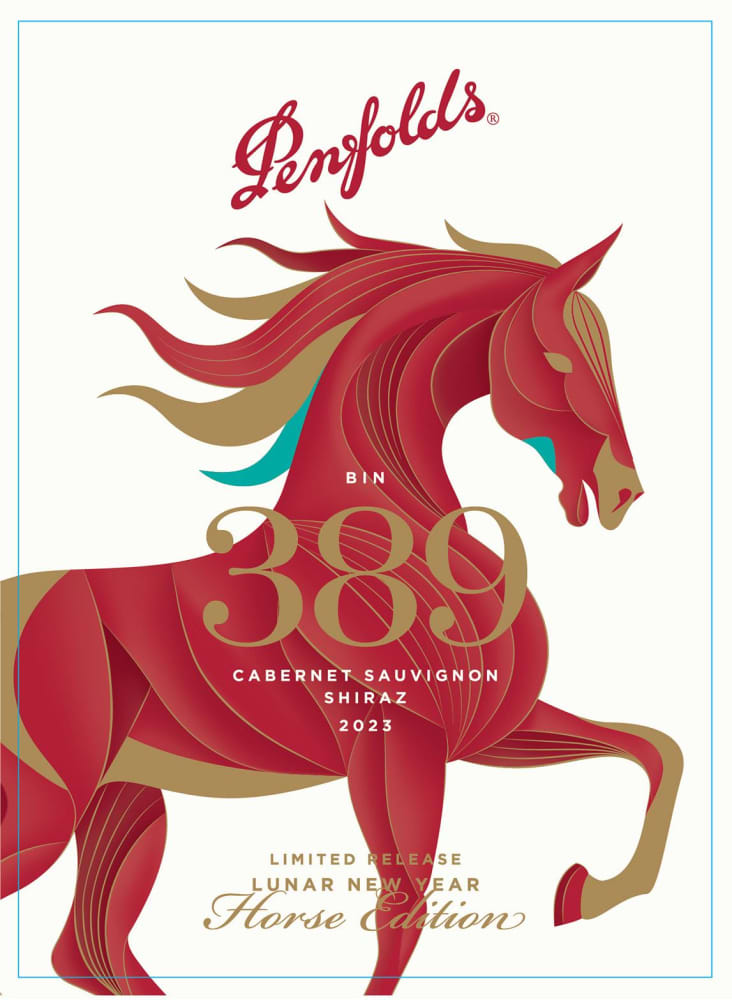
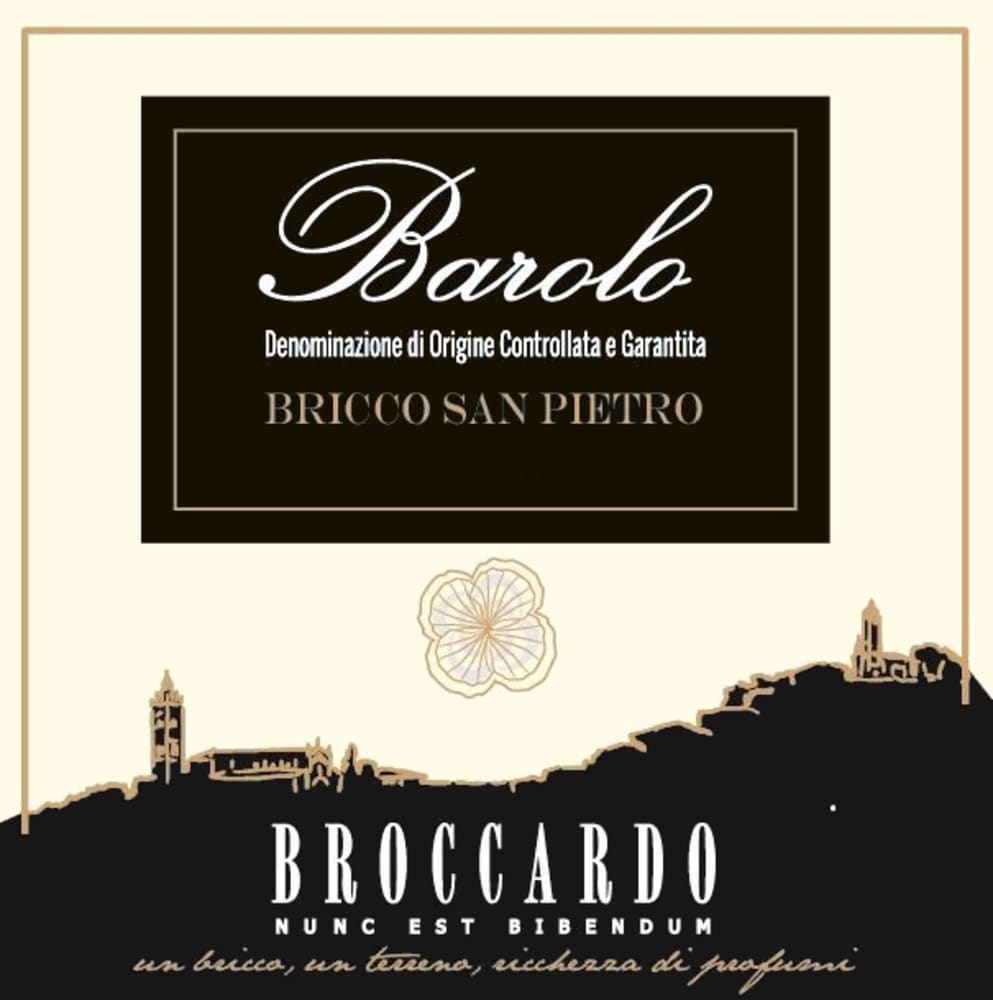


If you’re seeking a bottle that delivers a delightful kick, I recommend looking for varietals from Syrah or Grenache grapes. These selections often exhibit a distinct spiciness that can tantalize the palate. The unique terroir and climate where the grapes are cultivated play a pivotal role in developing these intriguing flavor profiles.
While tasting, pay attention to the presence of compounds such as piperine, found in black pepper, which can enhance that spicy sensation. Additionally, the influence of oak aging can introduce subtle spice notes, thanks to the interaction between the wine and the wood. Opt for bottles aged in new oak barrels for a more pronounced spicy character.
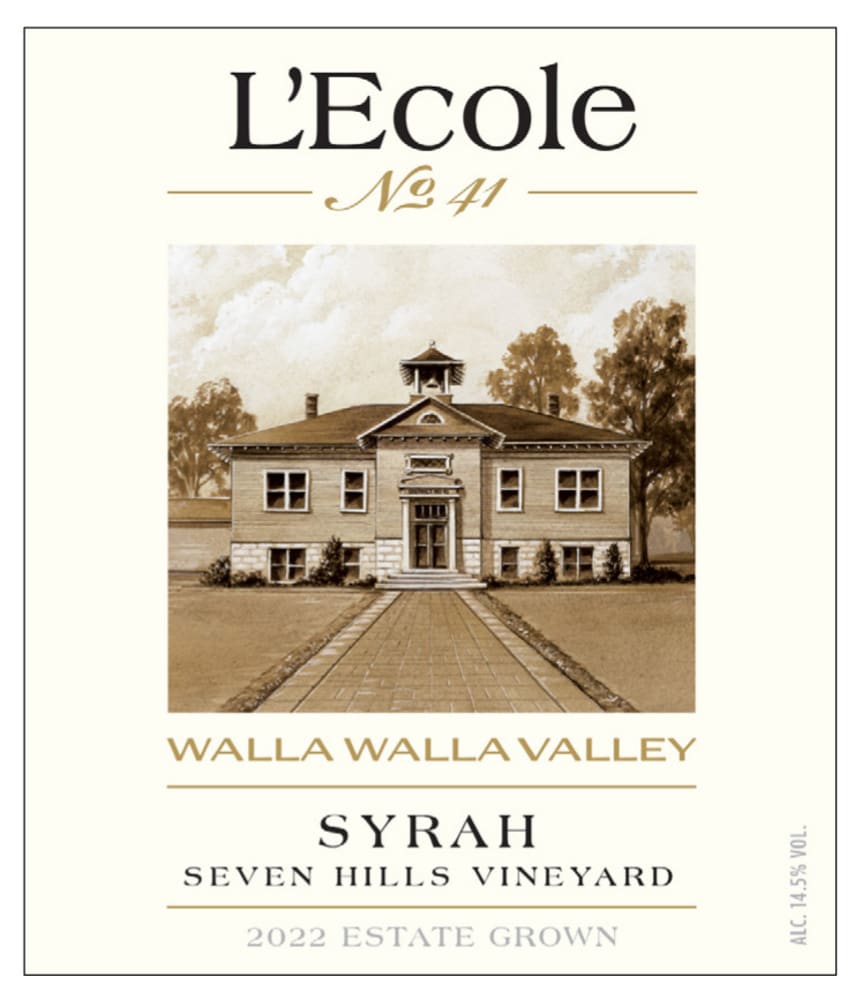
Another factor to consider is the fermentation process. Whole-cluster fermentation, for instance, can impart additional complexity and herbal nuances, further contributing to those peppery elements. The balance between tannins and acidity also influences how these spicy notes manifest on the palate, so tasting a variety of styles can enhance your understanding of these flavors.
Factors Behind Spicy Notes in Dark Varietals
To identify the spicy notes in dark varietals, focus on the following influences:
- Terroir: The geographical and climatic conditions significantly affect flavor profiles. Soils rich in minerals can impart a peppery character. Regions with warmer climates often yield more intense spiciness.
- Grape Variety: Certain cultivars like Syrah and Zinfandel are known for their naturally spicy characteristics. Their genetic makeup contributes to the development of these intriguing flavors.
- Fermentation Techniques: The method used during fermentation, including the use of whole clusters or particular yeast strains, can enhance spicy notes. Extended maceration often extracts more tannins and compounds associated with spiciness.
- Aging Process: Barrels made of specific types of oak can influence taste. Toasting levels of the barrels may release compounds that add layers of spice, such as clove or black pepper, to the final product.
- Climate Variations: Fluctuations in temperature during the growing season can enhance the development of aromatic compounds, leading to more pronounced spicy characteristics.
For an authentic experience, I recommend sampling varietals sourced from regions known for spicy profiles, such as the Rhône Valley or California’s Paso Robles. Pay attention to the vintage, as climate variations from year to year can significantly impact flavor intensity.
Understanding the Role of Terroir in Flavor Development
Terroir significantly influences the characteristics of a beverage, particularly in terms of spiciness. Several factors contribute to this phenomenon. First, soil composition plays a pivotal role; certain minerals can enhance specific flavor profiles. For example, volcanic soils may impart a unique minerality that complements spiciness.
Climate is another determining aspect. Regions with warmer temperatures often produce grapes with higher sugar levels, leading to wines that exhibit bolder flavors. Conversely, cooler climates may preserve acidity, allowing for a more balanced expression of peppery notes.
Geographical Influences
Geography also affects flavor development. Slope orientation can dictate sun exposure, impacting grape ripening. South-facing slopes typically receive more sunlight, resulting in richer, more complex flavors. In contrast, north-facing slopes may yield grapes with heightened acidity and lighter profiles.
Winemaking Practices
Additionally, local winemaking techniques interact with terroir. Traditional methods, such as extended maceration or specific fermentation practices, can further accentuate spicy characteristics. Winemakers often select particular yeast strains that enhance these flavors, creating a distinct product reflective of its origin.
The Impact of Grape Varieties on Peppery Notes
Exploring specific grape types reveals a direct correlation with spicy characteristics. For instance, Syrah often exhibits pronounced pepper tones, particularly in regions like the Northern Rhône. This variety thrives in warmer climates, where the phenolic compounds develop more intensely, leading to those distinct piquant flavors.
Grenache is another noteworthy grape, though its spicy notes can be subtler. When blended with Syrah or Mourvèdre, it can enhance the overall complexity, contributing layers of flavor that include hints of spice. The interplay between these varietals often leads to intriguing profiles, with the peppery aspects surfacing more prominently in certain vintages.
Cabernet Sauvignon, particularly from regions like California, can also showcase spicy nuances, especially in younger wines. The combination of ripe fruit flavors and oak aging adds depth, allowing for the emergence of those peppery hints. The tannins in this grape can accentuate the perception of spice on the palate.
In contrast, Pinot Noir generally steers away from overt spice, instead offering more nuanced, earthy notes. However, in cooler climates, some examples can exhibit a subtle pepperiness, particularly when grown in volcanic soils that impart unique mineral qualities to the fruit.
Understanding these grape characteristics enables a more informed selection process when seeking that distinct peppery profile in a glass. Combining varietals or choosing specific regions can significantly enhance the experience, bringing delightful spiciness to the forefront.
How Winemaking Techniques Influence Spicy Characteristics
Utilizing specific fermentation methods can enhance the spicy nuances found in certain varietals. For instance, opting for a longer maceration period allows for greater extraction of phenolic compounds, which contribute to peppery flavors. Cold soaking prior to fermentation can also elevate these notes, as it promotes the release of aromatic compounds without introducing excessive tannins.
Temperature control during fermentation plays a pivotal role as well. Higher fermentation temperatures can intensify the aromatic profile, often enhancing spiciness. Conversely, cooler temperatures may preserve fruity characteristics but can mute the more complex peppery elements.
The choice of yeast also affects flavor development. Indigenous yeasts can impart unique characteristics due to their diverse metabolic pathways, potentially leading to more pronounced spicy notes compared to commercial strains that may produce a more uniform profile.
Oak aging is another factor that should not be overlooked. The interaction between the wine and the wood can add layers of complexity, with certain types of oak contributing spice elements such as clove, cinnamon, and even black pepper. The level of toasting on the barrels can further shape these influences, allowing winemakers to tailor the final product.
Finally, blending techniques can bring out or soften peppery notes. Careful selection of components from different batches or varietals can create a harmonious balance, allowing spicy characteristics to either shine or recede, depending on the desired outcome.