Chuck Furuya

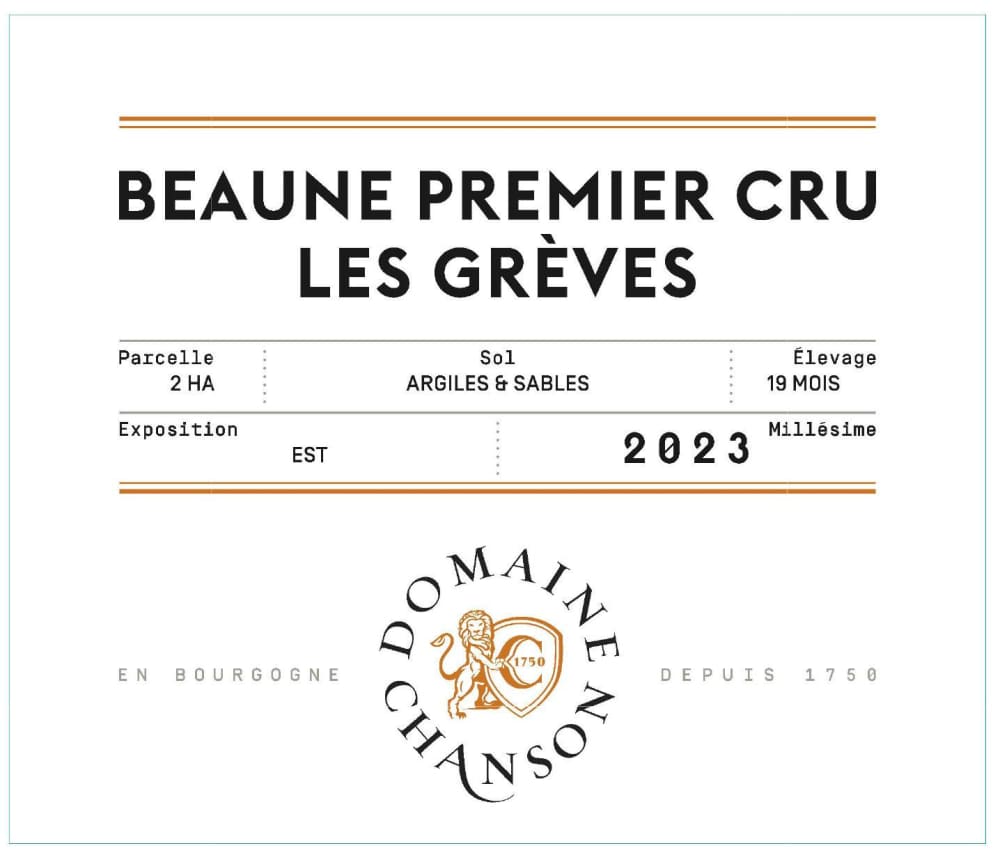
If you’re seeking a refreshing choice, consider a Pinot Noir from Burgundy. This varietal captivates with its bright acidity and subtle fruit notes, making it an ideal companion for a variety of dishes. The elegance of a well-crafted Pinot Noir lies in its ability to express its terroir, showcasing earthy undertones alongside cherry and raspberry flavors.
Another excellent option is Gamay, particularly from the Beaujolais region. Known for its juicy, red berry profile and soft tannins, this wine is perfect for casual gatherings or a picnic in the park. A chilled Beaujolais Nouveau can be a delightful surprise, offering vibrant fruitiness and a light, easy-drinking experience.
For those intrigued by a slightly different flavor profile, look into a Grenache from regions like the Southern Rhône. These selections often exhibit ripe strawberry and herbal notes, providing a delightful complexity while maintaining a lighter mouthfeel. Pairing them with grilled meats or Mediterranean cuisine can elevate the tasting experience significantly.
Characteristics of Light-Bodied Red Wines
Typically, these wines feature lower alcohol content, often ranging from 12% to 13.5%. This attribute contributes to a refreshing quality that makes them enjoyable for longer periods.
Aromas lean towards bright and fruity notes, such as cherry, raspberry, and cranberry. These fragrances are usually complemented by subtle herbal or floral hints, enhancing the overall profile.
In terms of tannins, the texture is smooth and soft, providing a gentle mouthfeel. This characteristic allows for easy sipping, making them an excellent choice for casual gatherings or meals.
Acidity plays a significant role as well, with a noticeable crispness that balances the fruitiness. This lively acidity enhances food pairing, making these wines versatile companions for various dishes.
Here’s a table summarizing key characteristics:
| Attribute | Description |
|---|---|
| Alcohol Content | 12% – 13.5% |
| Aromas | Cherry, raspberry, cranberry, herbal, floral |
| Tannins | Soft, smooth texture |
| Acidity | Crisp, refreshing |
This combination of elements creates a delightful experience, allowing for a range of culinary pairings and occasions. Enjoying a glass can easily brighten any meal or social event.
Top Varietals to Consider
Pinot Noir stands out as an exceptional choice for those seeking a delicate and nuanced option. Its bright acidity and red fruit flavors make it versatile, pairing beautifully with various cuisines.
Gamay
Gamay, often celebrated for its role in Beaujolais, delivers a fresh and fruity experience. With notes of cherry and raspberry, its light tannins create a refreshing sip, ideal for casual gatherings.
Grenache
Grenache offers a delightful blend of strawberry and spice, often found in blends but also shines on its own. This varietal’s medium body and soft texture are perfect for those who appreciate a gentler profile.
Valpolicella, particularly the Classico variety, showcases bright cherry flavors paired with a hint of earthiness. It’s a charming option for those who enjoy subtle complexity without overwhelming boldness.
Lastly, consider Carignan. This lesser-known grape can provide bright acidity and berry notes, making it a fantastic choice for those looking to explore something unique yet approachable.
Serving Temperature for Optimal Taste
I recommend serving this type of beverage at a temperature between 55°F and 65°F (13°C to 18°C). This range enhances the delicate flavors and aromas, allowing the nuances to shine through. Chilling slightly in the refrigerator for about 30 minutes before serving can achieve the desired temperature.
Impact on Flavor Profile
A cooler serving temperature helps to balance acidity and tannins, resulting in a refreshing experience. If served too warm, the alcohol can become pronounced, masking the subtler characteristics. Find the sweet spot to elevate your tasting experience.
Serving Techniques
Food Pairings That Enhance Light-Bodied Reds
Pairing these delicate varietals with the right dishes can elevate both the meal and the beverage. For a delightful experience, consider grilled salmon or tuna. The mild flavors of the fish harmonize beautifully with the wine’s subtle notes.
Roasted vegetables, especially those with a hint of sweetness like bell peppers or carrots, complement the wine’s acidity and fruitiness. A light herb salad featuring arugula or spinach can also create a refreshing balance.
Pasta Dishes
Pasta with tomato-based sauces works exceptionally well. The acidity of the sauce enhances the wine’s profile, bringing out its fruity characteristics. For a creamier option, a fettuccine Alfredo will create a rich contrast that is equally pleasing.
Cheese Selections
Soft cheeses like Brie or Camembert pair nicely, as their creaminess offsets the wine’s crispness. A mild goat cheese with herbs can also enhance the overall tasting experience, making for an ideal match.
How to Taste and Evaluate Light-Bodied Red Wines
Begin by observing the color. Pour a small amount into a clear glass and tilt it against a white background. Look for clarity and hue, which can indicate age and varietal characteristics.
Next, swirl the glass gently to release aromas. Take a moment to inhale deeply, identifying fruit notes such as cherry, raspberry, or cranberry, along with herbal or floral hints. Pay attention to any earthy undertones that may emerge.
Take a small sip and let it coat your palate. Focus on the flavor profile, noting the balance between acidity and sweetness. Consider the texture–does it feel smooth or slightly tannic? Assess the finish: how long do the flavors linger?
When evaluating quality, consider these factors:
- Complexity: Are there multiple layers of flavor?
- Balance: Do the components harmonize well?
- Length: How long do the flavors persist after swallowing?
- Clarity: Is it free from sediment or cloudiness?
Finally, reflect on the overall experience. Does it evoke emotions or memories? This subjective response is often a key indicator of a truly remarkable choice. Keep notes for future reference, helping to refine your palate over time.