Chuck Furuya
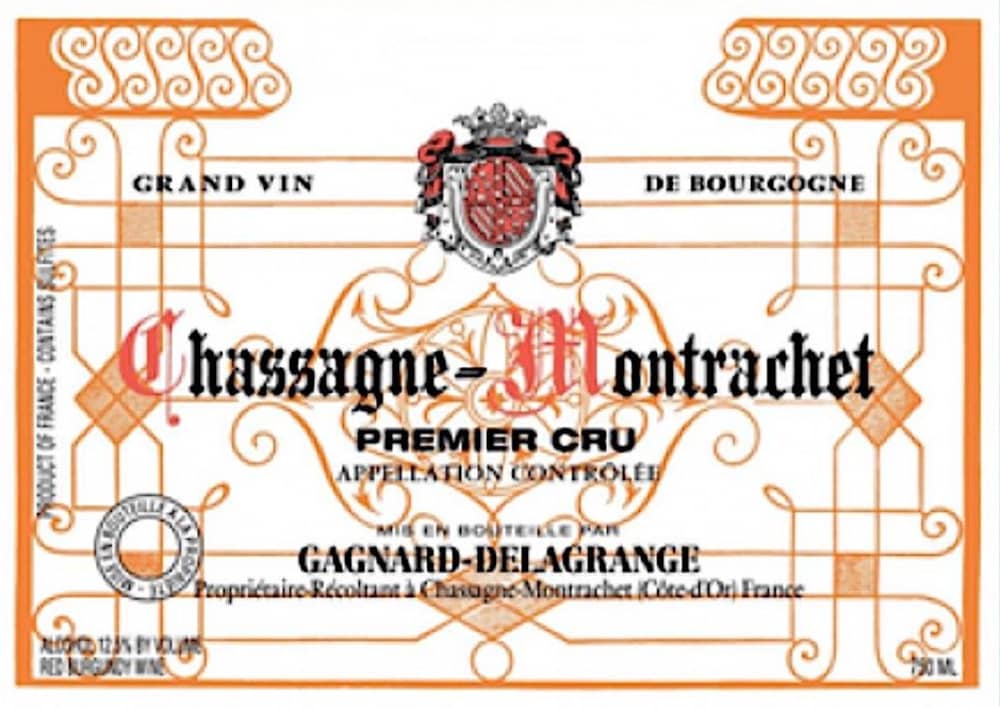


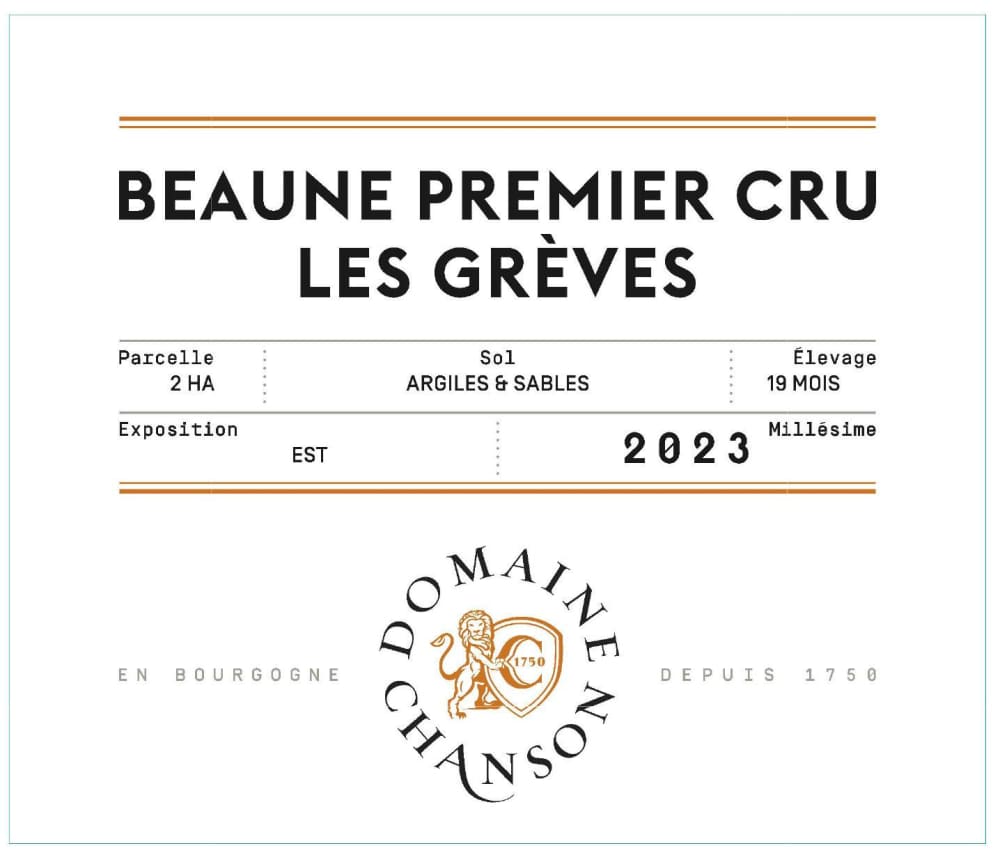
If you seek a deep, layered experience, opt for a glass of this exquisite red. The first sip reveals a complex array of dark fruit flavors, particularly ripe cherries and plums, intertwined with subtle hints of earthiness. These characteristics make each tasting a captivating exploration of taste.
As you savor, notes of spice emerge, often accompanied by a delicate touch of oak, resulting from careful aging in barrels. The interplay between fruit and wood creates a balanced profile that leaves a lasting impression on the palate. A soft texture complements the vibrant acidity, making it an excellent match for various dishes.
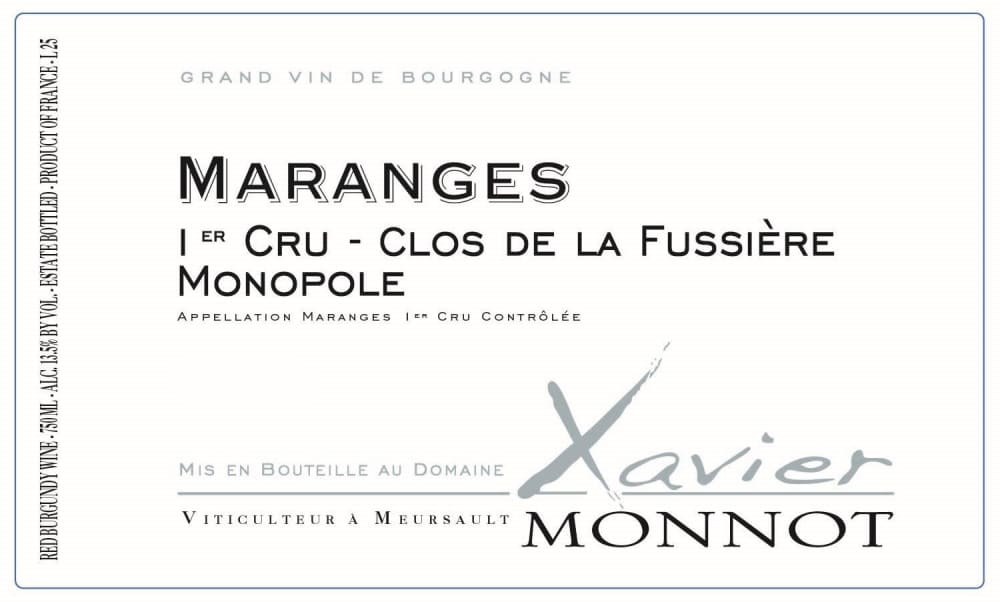
Pairing this beverage with roasted meats or rich cheeses enhances its character, allowing the intricate flavors to shine. Whether enjoyed alone or alongside a meal, this classic offering promises an enriching experience that invites deeper appreciation with every sip.
Understanding the Flavor Profile of Red Burgundy
I find the experience of savoring this particular wine to be a delightful exploration of flavors. It typically presents a harmonious blend of red fruits such as cherry, raspberry, and strawberry, each providing a fresh and juicy character. The underlying earthy notes, reminiscent of wet leaves or forest floor, create depth and complexity, enhancing the overall profile.
As I take a sip, subtle hints of spice emerge, often accompanied by a touch of vanilla or baking spices, resulting from the oak aging process. The acidity strikes a perfect balance, offering a refreshing lift that counteracts the fruitiness, making it quite food-friendly. The tannins are generally soft and silky, contributing to a smooth mouthfeel that lingers pleasantly.
Complexity and Aging Potential
With age, I notice the evolution of flavors. Secondary characteristics like mushroom, leather, and even truffle can develop, adding layers to the experience. This complexity is one of the reasons I appreciate selecting older vintages, as they often reveal a nuanced profile that showcases the terroir’s influence.
Pairing Recommendations
For pairing, I find that dishes such as duck, mushroom risotto, and roasted chicken complement the wine beautifully. The bright acidity and fruit-forward nature enhance the flavors of these meals, creating a well-rounded dining experience. When choosing cheese, I recommend soft, creamy varieties like Brie or Camembert, which harmonize wonderfully with the wine’s characteristics.
Key Aromas Found in Red Burgundy Wines
When I encounter a glass of this exquisite varietal, I often notice a range of striking aromas that contribute to its allure. The primary scent that stands out is ripe red fruit, such as cherries and raspberries, which create a luscious and inviting bouquet. This fruity essence is often complemented by subtle undertones of blackcurrant and cranberry, adding complexity to the aromatic profile.
Earthy Notes
The presence of earthiness is a hallmark characteristic. I frequently detect hints of forest floor, wet leaves, or mushroom, which evoke a sense of terroir and connect me to the vineyard’s origins. These earthy scents provide an intriguing contrast to the fruit notes, enhancing the overall experience.
Spices and Oak Influence
Spice elements also play a significant role. Aromas of clove, cinnamon, and a touch of pepper often emerge, particularly in aged varieties. The influence of oak barrels is another layer I appreciate, bringing forth notes of vanilla, toast, and subtle smokiness. This interplay between fruit, earth, and spice makes each sip a captivating exploration of flavors.
Influence of Terroir on Taste Characteristics
Terroir plays a pivotal role in the sensory profile of wines from this region. The unique combination of soil type, climate, and topography directly impacts flavor nuances. For instance, clay-limestone soils are prevalent here, providing a mineral backbone that enhances complexity. This mineral influence often translates into subtle earthy notes, contributing depth to the liquid.
Climate is another critical factor. The continental climate with its warm days and cool nights allows grapes to ripen fully while retaining acidity, which is essential for balance. A vintage that experiences a bit of stress from cooler weather can lead to wines with more pronounced fruit and floral characteristics, while warmer years tend to produce bolder, richer expressions.
Soil Types and Their Contributions
Different soil types impart distinct attributes. For instance, vineyards on rocky slopes may produce wines with higher acidity and minerality, while those on flatter terrain can yield softer, rounder profiles. The drainage capabilities of the soil also affect grape development, leading to variations in sweetness and tannin structure.
Microclimates and Their Effects
Within the same vineyard, microclimates can create diverse flavor profiles. Areas that receive more sunlight might develop riper, fruit-forward characteristics, whereas shaded spots may enhance acidity and herbal notes. Understanding these variations allows for a deeper appreciation of the intricacies found in each bottle, reflecting the unique environment where the grapes are cultivated.
Comparing Pinot Noir and Other Red Wines
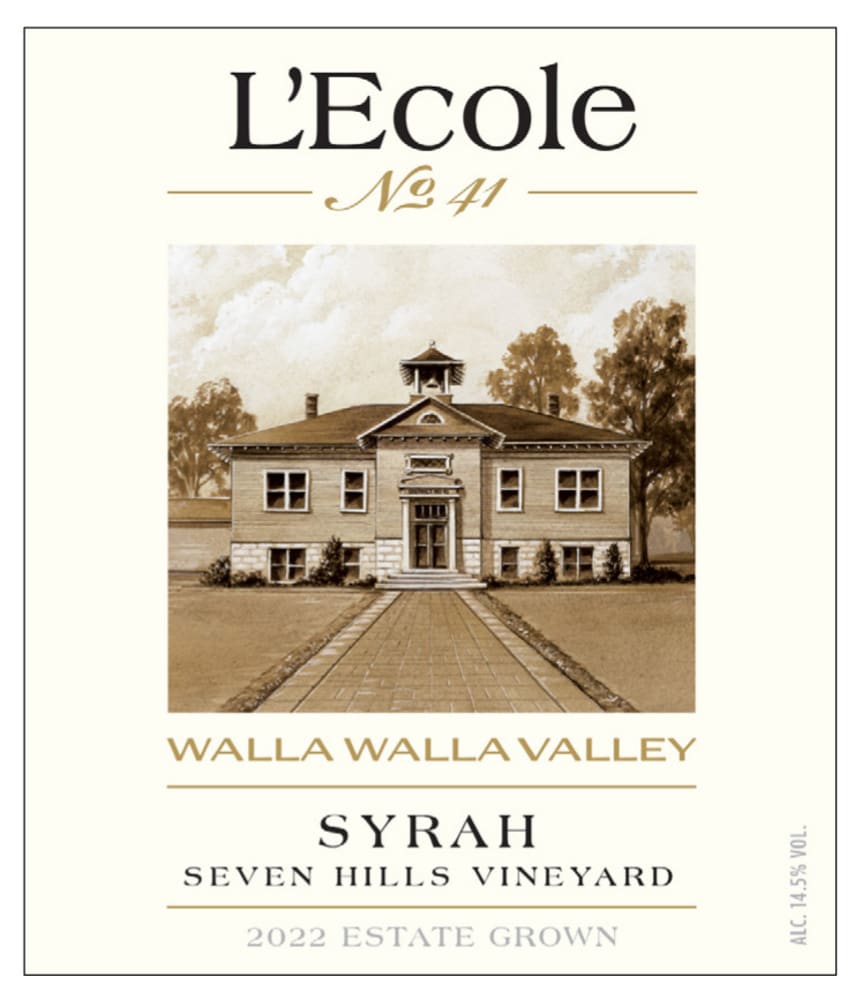
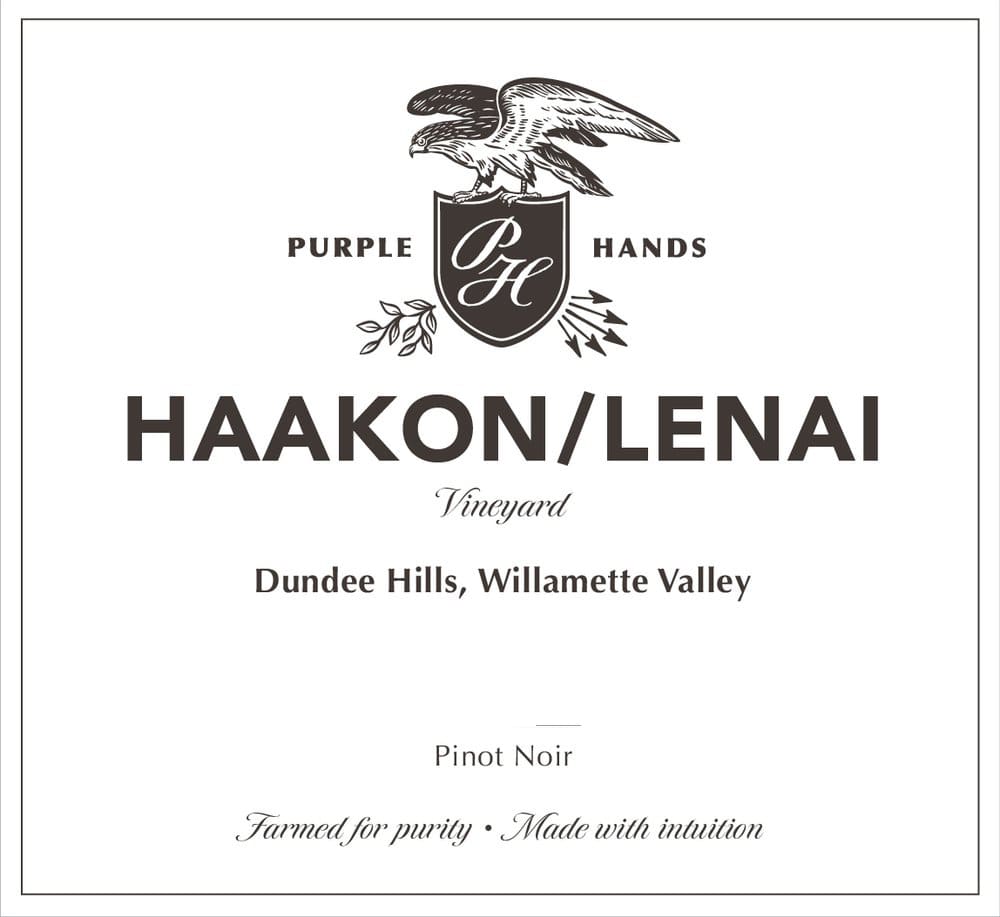
Pinot Noir stands out for its elegance and complexity, often showcasing bright acidity and delicate tannins. In comparison, many other varietals present bolder flavors and heavier structures. Syrah, for instance, delivers a rich, full-bodied experience with dark fruit notes and spicy undertones, making it a stark contrast to the finesse of Pinot Noir.
Flavor Profiles
When assessing the flavor profiles, Pinot Noir typically features red fruits such as cherry and raspberry, accompanied by earthy notes and subtle spice. In contrast, Cabernet Sauvignon is known for its robust blackcurrant and plum flavors, often accompanied by pronounced tannins and a longer aging potential.
Tasting Characteristics
To illustrate, here’s a comparison of selected varietals:
| Varietal | Flavor Notes | Tannin Structure | Acidity Level |
|---|---|---|---|
| Pinot Noir | Cherry, Raspberry, Earthy | Low to Medium | High |
| Cabernet Sauvignon | Blackcurrant, Plum, Spice | High | Medium |
| Syrah | Blackberry, Pepper, Smoke | Medium to High | Medium |
| Merlot | Cherry, Chocolate, Vanilla | Medium | Medium |
Each varietal showcases unique characteristics that reflect its growing conditions and winemaking techniques. Understanding these distinctions helps in selecting the right bottle for various occasions or personal preferences.
Food Pairing Suggestions for Red Burgundy
Beef bourguignon is a classic match, enhancing the depth of flavors. The richness of the dish complements the wine’s acidity and fruity notes.
Duck confit offers a delightful pairing, as the savory, fatty meat balances the wine’s elegance and subtle earthiness.
Mushroom risotto works beautifully, with the earthy tones of the fungi harmonizing with the wine’s profile.
Grilled lamb chops, seasoned simply with herbs, elevate the wine’s complexity, allowing its fruit characteristics to shine.
Soft cheeses, like Brie or Camembert, create a luxurious pairing, where the creaminess softens tannins and enhances the overall experience.
Charcuterie boards featuring pâté and prosciutto provide a variety of textures and flavors, making for an enticing accompaniment.
Roasted vegetables, particularly root varieties, bring out the subtle sweetness in the liquid and create a balanced meal.
Chocolate desserts, especially those with a higher cocoa content, can also be a surprising yet satisfying match, accentuating the wine’s fruit and spice nuances.
Impact of Aging on Flavor Development
As I explore the evolution of flavors in Pinot Noir, it’s clear that maturation plays a pivotal role. Over time, a bottle develops complex notes that enhance its character. Initially, I might notice bright red fruits like cherry and raspberry. With age, these transform into deeper, more nuanced flavors, such as dried fruits and even hints of leather.
Barrel aging significantly influences this transformation. The interaction with oak introduces subtle spices, vanilla, and toast, which further adds depth. I often find that wines aged in French oak exhibit a more refined profile, emphasizing elegance and balance.
Timeframe for Optimal Aging
Generally, I recommend a timeframe of 5 to 10 years for peak development, although some exceptional vintages can age gracefully for decades. Monitoring the wine’s evolution through tasting at different intervals can reveal its journey, showcasing how tannins soften and flavors integrate.
Storage Conditions
Proper storage is essential for achieving the best results. Maintaining a consistent temperature, moderate humidity, and minimizing light exposure are key factors. These conditions help preserve the wine’s integrity and ensure a smooth aging process, allowing the flavors to mature harmoniously.
How to Properly Taste Red Burgundy
Begin with observing the appearance. Hold the glass against a white background to evaluate clarity and color intensity. Expect a range from pale ruby to deep garnet, depending on the vintage and producer.

Swirling and Aromas
Gently swirl the glass to release the bouquet. Take a moment to inhale deeply. Key scents to detect include:
- Cherry and raspberry
- Earthy notes like forest floor or truffle
- Subtle spices such as clove or cinnamon
- Floral hints, often rose or violet
Tasting Technique
When ready to taste, take a small sip and let it coat your palate. Focus on:
- The initial impression: Is it fruity, acidic, or tannic?
- The texture: Is it silky, smooth, or rough?
- The finish: How long do the flavors linger?
Take notes on your experience. This practice enhances your ability to appreciate different expressions over time. Pay attention to how different food pairings change the perception of flavors during future tastings.
FAQ:
What are the primary flavor characteristics of red burgundy wine?
Red Burgundy wine, primarily made from Pinot Noir grapes, is known for its complex flavor profile. It often features notes of red fruits such as cherry, raspberry, and strawberry, along with earthy undertones like mushroom or forest floor. Additionally, you may encounter hints of spice, floral aromas, and even subtle oak influences if the wine has been aged in barrels. This combination of flavors creates a delicate balance that is both refreshing and layered.
How does the taste of red burgundy wine vary with age?
The taste of red Burgundy can change significantly as it ages. Young red Burgundies tend to have bright fruit flavors and higher acidity, making them vibrant and lively. As the wine matures, these fruit flavors often become more subdued, allowing secondary characteristics like earthiness, leather, and spice to emerge. Aging can also soften the tannins, resulting in a smoother mouthfeel. Generally, many connoisseurs appreciate the depth and complexity that develops in older vintages.
What food pairings work well with red burgundy wine?
Red Burgundy pairs wonderfully with a variety of dishes. Its acidity and fruitiness complement roasted chicken, duck, and lamb, enhancing the flavors of the meat. The wine also goes well with earthy dishes like mushroom risotto or grilled vegetables. For cheese lovers, a soft cheese like Brie or Camembert can also be an excellent match. The key is to consider the wine’s lighter body and nuanced flavors when selecting food pairings.
Is red burgundy wine suitable for beginners, and why?
Red Burgundy wine can be a great option for beginners due to its approachable flavor profile. The balance of fruit, acidity, and earthiness makes it less overwhelming compared to bolder wines like Cabernet Sauvignon. Additionally, the lighter body of Pinot Noir allows new drinkers to appreciate the subtleties of wine without feeling intimidated. Starting with a young, fruit-forward Burgundy can help newcomers develop their palate and enjoy the experience of wine tasting.
What are some common misconceptions about red burgundy wine?
One common misconception is that all red Burgundy wines are expensive. While it’s true that some high-quality bottles can be pricey, there are many affordable options available, especially from less prestigious vineyards or regions. Another misconception is that Burgundy is only for experienced wine drinkers. In reality, its diverse range of styles and flavors makes it accessible to everyone. Finally, some people think red Burgundy is overly light; however, it can offer depth and complexity that rivals more robust reds.
What are the primary flavor notes found in red Burgundy wine?
Red Burgundy wine is known for its complex flavor profile, primarily characterized by notes of red fruits such as cherry, raspberry, and strawberry. Additionally, you may find earthy undertones, often reminiscent of forest floor or mushroom, which add depth to the wine. Other common flavors include hints of spice, like clove or cinnamon, and sometimes floral notes, such as violet or rose. The balance of acidity and tannins in red Burgundy also contributes to its overall taste experience.
How does the taste of red Burgundy wine change with age?
As red Burgundy wine ages, its taste evolves significantly. Young Burgundy often displays bright fruit flavors and a certain freshness, but as it matures, these fruity notes can become more subdued, giving way to more complex flavors. You might notice the development of earthy and savory characteristics, such as leather, truffle, or tobacco. The tannins typically soften over time, leading to a smoother mouthfeel. The acidity remains, providing structure and balance, which is essential for a wine’s longevity and overall enjoyment.
What food pairings work well with red Burgundy wine?
Red Burgundy wine pairs exceptionally well with a variety of dishes due to its balanced acidity and nuanced flavors. For instance, it complements roasted poultry, such as duck or chicken, particularly when prepared with herbs. The wine also goes well with mushroom-based dishes, which echo its earthy notes. Additionally, you can enjoy red Burgundy with lighter red meats like pork or veal. For cheese lovers, soft cheeses like Brie or Camembert are excellent choices that enhance the wine’s complexity. Overall, the key is to choose foods that highlight the wine’s flavors without overpowering them.